Logan Coleman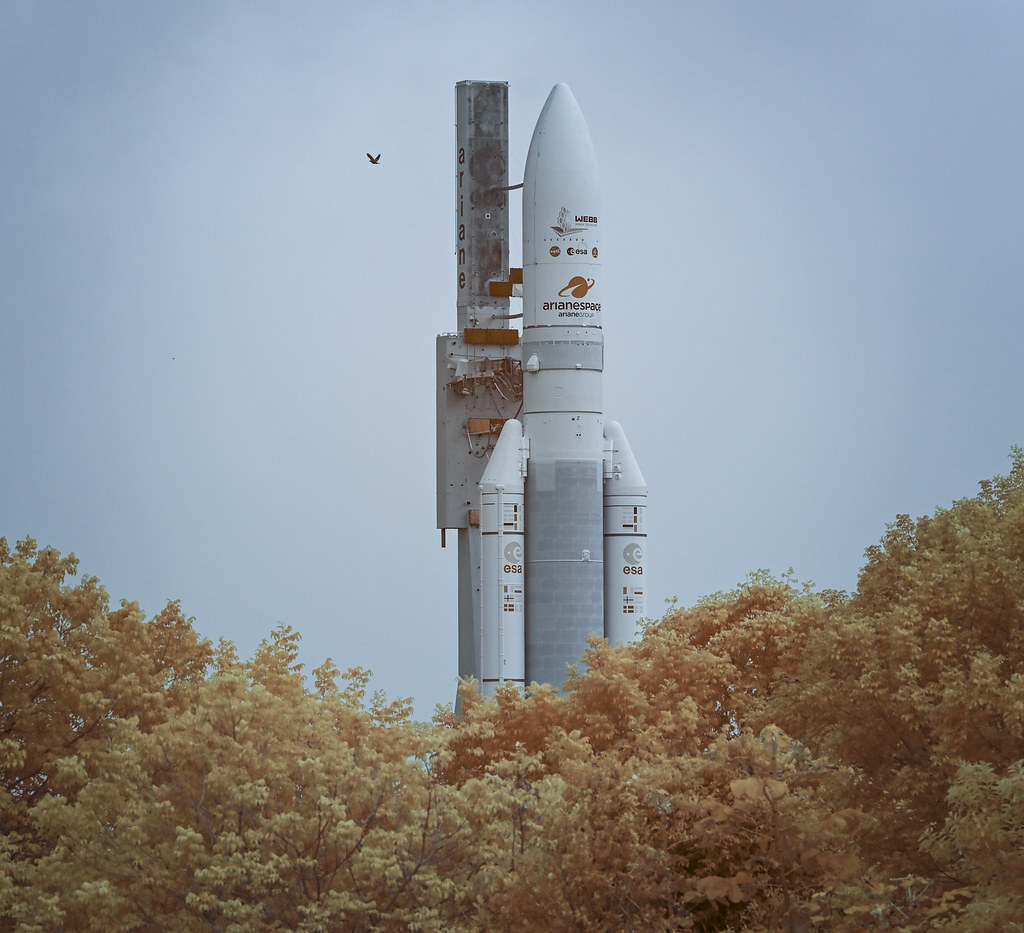
NASA infrared observatory is set for launch in the early 2030s, marking a significant advancement in our understanding of the universe.
Overview of the NASA Infrared Observatory
The NASA infrared observatory is set to revolutionize our understanding of the cosmos with its advanced technology and innovative design. Scheduled for launch in the early 2030s, this billion-dollar mission aims to explore the universe in ways that were previously unimaginable.
This groundbreaking observatory will be equipped with state-of-the-art instruments capable of detecting infrared light, allowing scientists to study celestial phenomena in greater detail than ever before. The observatory will be instrumental in:
- Mapping the universe: By capturing infrared signals, the observatory will help create detailed maps of star formation, galaxy evolution, and the distribution of dark matter.
- Investigating exoplanets: The observatory will analyze the atmospheres of distant planets, searching for signs of habitability and potentially life.
- Studying cosmic events: Astronomers will use this tool to observe supernovae, black holes, and other cosmic events that emit infrared radiation.
With its significant investment and cutting-edge capabilities, the NASA infrared observatory represents a major step forward in space exploration. Researchers are eagerly awaiting the launch, anticipating that it will unlock many secrets of the universe and enhance our understanding of fundamental questions about the origins of life and the structure of space-time.
Key Features of the New Observatory
The upcoming NASA infrared observatory is set to revolutionize our understanding of the universe with its groundbreaking features. Here are some of the key aspects that make this observatory stand out:
- Advanced Infrared Technology: The observatory will utilize cutting-edge infrared sensors, allowing it to detect celestial objects that are otherwise invisible to traditional telescopes.
- Wide Field of View: With an expansive field of view, the observatory can survey large areas of the sky, gathering data more efficiently than previous missions.
- High Sensitivity: Designed to observe faint astronomical signals, this observatory will enhance our ability to study distant galaxies, newly forming stars, and other celestial phenomena.
- Large Mirror Size: The observatory will feature a significantly larger mirror compared to its predecessors, which will improve image clarity and resolution.
- Versatile Research Capabilities: Researchers will have the ability to conduct a variety of studies, from examining the early universe to investigating the atmospheres of exoplanets.
As the launch approaches in the early 2030s, the NASA infrared observatory is poised to open new frontiers in astrophysics, providing invaluable data and insights into the cosmos.
Timeline for Launch and Development
The timeline for the development and launch of the NASA infrared observatory presents an exciting roadmap for astronomers and space enthusiasts alike.
Following a recent approval, NASA aims to move forward with the construction of the observatory, with key milestones outlined as follows:
- 2024: Initial phases will focus on the final design and fabrication of instruments, ensuring cutting-edge technology is incorporated into the observatory.
- 2026: Major components will be assembled, marking a significant step in the project as engineers begin to integrate various systems.
- 2028: Extensive testing will commence, validating the performance and reliability of the observatory’s instruments in simulated space environments.
- 2030: The observatory is scheduled to be shipped to its launch site, with preparations intensifying as the launch date approaches.
- Early 2030s: NASA plans to launch the observatory, heralding a new era in infrared astronomy and allowing scientists to explore previously unseen aspects of the universe.
This ambitious timeline reflects NASA’s commitment to advancing our understanding of the cosmos, promising to deliver groundbreaking discoveries through the capabilities of the new infrared observatory.
Expected Discoveries from the Observatory
The upcoming launch of the NASA infrared observatory promises to revolutionize our understanding of the universe. As scientists gear up for this ambitious project, several key discoveries are anticipated that could reshape our knowledge of celestial phenomena.
- Exoplanet Exploration: The observatory will provide unprecedented insights into distant exoplanets, allowing researchers to analyze their atmospheres for the presence of water and other essential compounds.
- Star Formation: By observing the infrared spectrum, the observatory can penetrate dust clouds that obscure star formation processes, revealing how stars and planetary systems evolve over time.
- Galaxy Formation: The infrared observatory will study the formation of galaxies in the early universe, offering clues about their structure and evolution over billions of years.
- Dark Matter and Energy: This mission may also shed light on the mysterious components of dark matter and dark energy, providing a deeper understanding of their roles in the cosmos.
- Cosmic Background Radiation: The observatory aims to enhance our understanding of the Cosmic Microwave Background Radiation, which could lead to new insights into the Big Bang and the universe’s expansion.
As the launch date approaches, the scientific community eagerly anticipates the groundbreaking findings that the NASA infrared observatory will unveil, potentially answering profound questions about our universe.
Funding and Budget Details
The funding and budget details for the NASA Infrared Observatory have been a topic of significant discussion among scientists and policymakers. The agency has allocated a substantial portion of its budget to ensure the successful development and launch of this groundbreaking project.
According to reports, NASA has earmarked approximately $1 billion for the observatory, which is set to enhance our understanding of the universe through infrared technology. This financial commitment reflects both the importance of the observatory and the anticipated returns in scientific knowledge.
The budget breakdown includes:
- Research and Development: Funds will be used to develop cutting-edge technology that will be employed in the observatory’s instruments.
- Construction Costs: Significant resources are allocated for the construction of the observatory itself, ensuring it meets the highest standards for scientific research.
- Operational Expenses: A portion of the budget will cover operational costs once the observatory is launched, allowing for ongoing data collection and analysis.
- Partnerships and Collaborations: Funding will also support collaborations with international space agencies and research institutions.
This robust financial backing reinforces NASA’s commitment to advancing space exploration and its dedication to uncovering the mysteries of our cosmos through the innovative capabilities of the infrared observatory.
Collaborations with Other Agencies
The development of the NASA infrared observatory has seen extensive collaborations with various scientific and research agencies. These partnerships are crucial for enhancing the capabilities and reach of the observatory, ensuring that it can achieve its ambitious goals.
One of the primary collaborators is the European Space Agency (ESA), which has been involved in the design and engineering phases. Their expertise in infrared technology complements NASA’s ongoing efforts, creating a stronger foundation for the observatory. Additionally, the collaboration aims to share data and findings, enriching the scientific community’s understanding of the universe.
Another significant partnership includes the involvement of the National Science Foundation (NSF). The NSF’s support focuses on enhancing ground-based observational efforts that will work in tandem with the NASA infrared observatory. This synergy is expected to yield a wealth of information about distant celestial objects and phenomena.
The observatory is also set to benefit from partnerships with leading universities and research institutions. These organizations contribute cutting-edge research, advanced technologies, and academic rigor, further strengthening the scientific framework surrounding the project.
In summary, the collaborations formed around the NASA infrared observatory not only amplify its potential capabilities but also foster a collaborative spirit within the scientific community, paving the way for groundbreaking discoveries in astrophysics and space science.
Impact on Future Space Missions
The launch of the NASA infrared observatory is poised to have a significant impact on future space missions, fundamentally altering our understanding of the universe. This advanced observatory will enable scientists to explore regions of space previously obscured by dust and gas, unlocking new insights into star formation, planetary systems, and the fundamental nature of the cosmos.
One of the primary benefits of the NASA infrared observatory is its ability to observe celestial phenomena that are invisible to conventional optical telescopes. By utilizing infrared technology, researchers can study:
- The formation of stars in dense molecular clouds, offering clues about the origins of solar systems.
- Exoplanets and their atmospheres, providing critical information about potential habitability.
- Galactic evolution in the early universe, enhancing our understanding of cosmic history.
Moreover, the observatory’s innovative design and sophisticated instruments will set the stage for future missions. These advancements are expected to foster collaborations between NASA and international space agencies, promoting a global approach to astronomical research. As we prepare for the launch, anticipation builds around the discoveries that will emerge from this cutting-edge facility, ultimately reshaping our perspective on the universe.
By James Webb Space Telescope via Openverse