Logan Coleman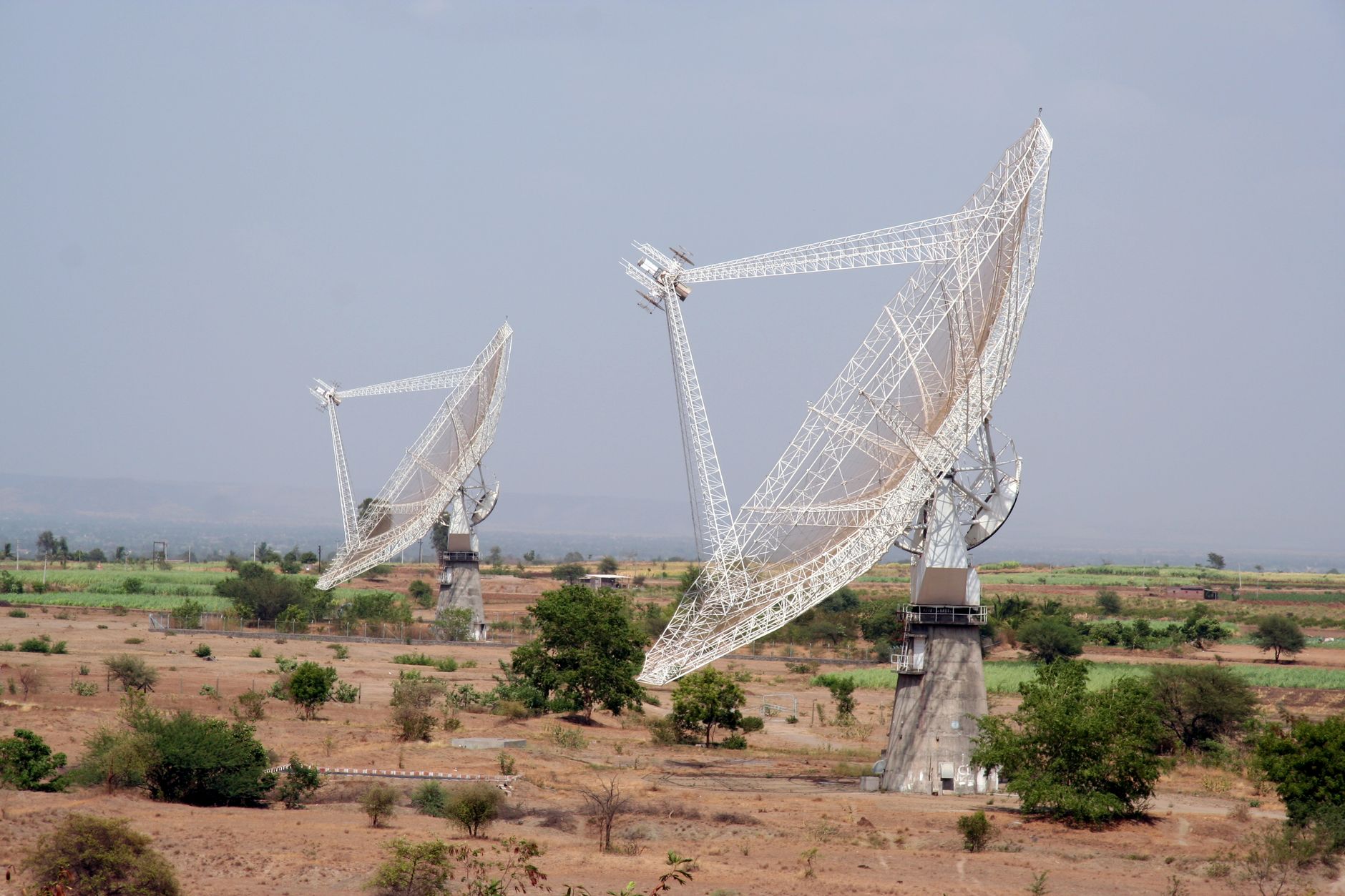
Made-in-India antennas are set to make a significant impact in Europe and other global markets, thanks to Ericsson’s new export initiative. This move highlights India’s growing capabilities in technology and manufacturing.
Overview of Ericsson’s Export Plans
Ericsson has announced its ambitious plans to export made-in-India antennas to Europe and other global markets as part of its strategy to enhance global connectivity solutions. This initiative comes at a time when the demand for advanced telecommunications infrastructure is rapidly increasing across various regions.
The company aims to leverage India’s manufacturing capabilities, which have been significantly improved in recent years, to produce high-quality antennas that meet international standards. This move is expected to not only strengthen Ericsson’s presence in the European market but also contribute to India’s position as a global manufacturing hub.
Key benefits of the made-in-India antennas include:
- Cost-effectiveness due to reduced manufacturing expenses.
- Shorter lead times for supply and delivery.
- Enhanced product innovation through local talent and resources.
As Ericsson prepares for this export initiative, industry experts are closely watching how these antennas will perform in the competitive European market, where quality and reliability are paramount.
Impact on the Global Antenna Market
The introduction of made-in-India antennas into the global market, particularly in Europe, is poised to significantly impact the antenna industry. As companies like Ericsson ramp up their export plans, the potential for Indian-manufactured products to gain traction internationally becomes increasingly apparent.
Several factors contribute to this shift:
- Cost-Effectiveness: Manufacturing antennas in India may offer a competitive advantage due to lower production costs, allowing companies to price their products more attractively in European markets.
- Quality Standards: The Indian manufacturing sector has made substantial advancements, ensuring that made-in-India antennas meet international quality and regulatory standards.
- Supply Chain Resilience: Diversifying sources for antennas can mitigate risks associated with geopolitical tensions and supply chain disruptions, making Indian products an appealing option.
As demand for advanced communication technologies continues to grow, made-in-India antennas could emerge as a pivotal solution, enhancing connectivity and boosting the global antenna market’s dynamics.
Technological Advancements in Indian Manufacturing
The landscape of telecommunications is rapidly evolving, and technological advancements in Indian manufacturing are playing a pivotal role in this transformation. With companies like Ericsson leading the charge, made-in-India antennas are being recognized for their innovative design and efficiency. These antennas are developed using cutting-edge technology, ensuring they meet global standards while remaining cost-effective.
One significant advancement is the integration of smart technologies within these antennas, which enhances their performance and adaptability. This shift towards smarter solutions also allows for improved connectivity and reliability, essential for meeting the growing demands of users in Europe and beyond.
Moreover, Indian manufacturers are increasingly adopting automation and AI-driven processes, thereby increasing production speed and quality. This commitment to excellence not only boosts the competitiveness of made-in-India antennas but also ensures that they can hold their own against established brands in the market.
As more countries seek to diversify their supply chains, India’s focus on technological innovation positions it as a formidable player in the global antenna market, further solidifying the potential success of these products in Europe.
Challenges Facing Made-in-India Products
The rise of made-in-India antennas presents both opportunities and challenges in the global market. While these products are gaining attention, several hurdles must be addressed for them to compete effectively in Europe.
One major challenge is the perception of quality. Many European consumers and businesses are accustomed to established brands with a long history of reliability. To overcome this, manufacturers need to emphasize the rigorous testing and quality assurance processes that made-in-India antennas undergo.
Additionally, the logistics of exporting these products can be complicated. Tariffs, shipping costs, and regulatory compliance are critical factors that can affect pricing and availability. Companies must navigate these complexities to ensure their products remain competitive.
Furthermore, the rapidly evolving technological landscape means that made-in-India antennas must continuously innovate to keep pace with emerging trends and customer demands. This requires substantial investment in research and development.
Lastly, building a robust supply chain that can support large-scale production without compromising on quality is essential. As the market evolves, addressing these challenges will be crucial for the success of made-in-India antennas in Europe.
Consumer Reception in European Markets
The reception of made-in-India antennas in European markets has sparked considerable interest among consumers and industry experts alike. As Ericsson rolls out its plans to export these antennas, several factors come into play that may influence their acceptance.
Firstly, consumers are increasingly focused on the reliability and performance of telecommunications equipment. Many have expressed optimism about the quality of made-in-India antennas, given the advancements in manufacturing technology and stringent quality controls. This sentiment suggests that European consumers may be willing to embrace these products, particularly if they offer competitive pricing.
However, there are also concerns regarding the adaptability of these antennas to local regulations and infrastructure requirements. Key factors that could determine consumer reception include:
- Compatibility with existing telecommunications networks
- Compliance with European standards and regulations
- Post-sales support and warranty services
Ultimately, the success of made-in-India antennas in Europe will hinge on how well these challenges are addressed, alongside consumer perceptions of quality and value.
Future Prospects for Indian Technology Exports
The future of Indian technology exports, particularly made-in-India antennas, appears promising as global demand for advanced telecommunications equipment continues to rise. With companies like Ericsson investing in Indian manufacturing capabilities, the landscape is set to transform significantly.
Several factors are contributing to the optimism surrounding Indian exports:
- Government Support: The Indian government is actively promoting initiatives to boost manufacturing, enhancing the competitiveness of made-in-India products.
- Skilled Workforce: India boasts a large pool of skilled engineers and technicians, which can help in maintaining high-quality standards in production.
- Cost Efficiency: Competitive labor costs in India provide an advantage, making made-in-India antennas attractive for international buyers.
- Growing Domestic Market: A robust domestic demand for telecommunications infrastructure will also drive innovation and quality improvements, ultimately benefiting exports.
As Indian manufacturers continue to adapt and innovate, the prospects for made-in-India antennas in Europe and globally look increasingly favorable, potentially positioning India as a key player in the global telecommunications market.
Photo by Sachin Kumar Wadhwa on Pexels