Logan Coleman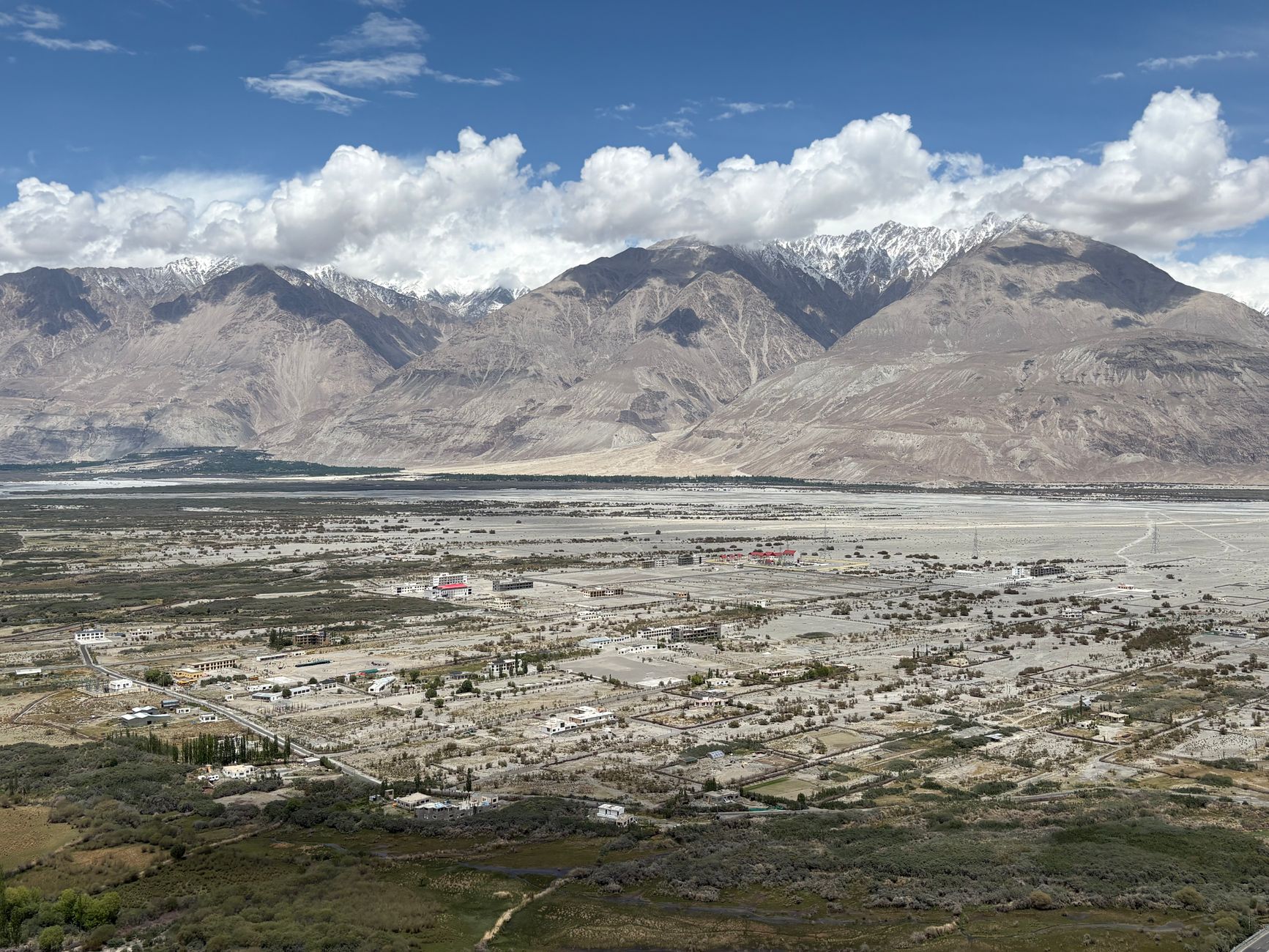
China India Ladakh tensions have escalated following India’s recent naming of places in the region, which China has deemed illegal and invalid.
Background of the Ladakh Dispute
The ongoing tensions between China and India over the Ladakh region date back several decades, rooted in historical claims and territorial disputes. The region, known for its strategic significance and breathtaking landscapes, has become a focal point of contention between the two nations.
In recent years, both countries have taken steps to assert their claims over various parts of Ladakh. In 2020, the situation escalated dramatically when clashes occurred in the Galwan Valley, leading to casualties on both sides. This incident marked a significant deterioration in Sino-Indian relations and heightened military presence along the Line of Actual Control (LAC).
In response to India’s unilateral actions, such as renaming places in the region, China has expressed strong objections, labeling these moves as “illegal and invalid.” This rhetoric underscores the complexity of the China India Ladakh dispute, where national pride and sovereignty are at stake.
Both nations continue to engage in diplomatic discussions, yet mistrust lingers. The international community is closely monitoring the situation, as the outcome of this dispute could have far-reaching implications for regional stability and geopolitical dynamics in Asia.
As the situation evolves, it remains crucial for both parties to seek peaceful resolutions, emphasizing dialogue over aggression to avoid further escalation.
China’s Reaction to India’s Naming
Following India’s recent decision to rename several locations in Ladakh, China has issued a strong reaction, labeling the move as “illegal and invalid.” This response underscores the ongoing tensions between the two nations over territorial claims in the region. Beijing maintains that the names assigned by India do not hold legitimacy and are a unilateral attempt to assert its sovereignty over disputed areas.
Analysts suggest that such statements from China are part of a broader strategy to counter India’s actions in Ladakh. The geographic significance of the region is profound, as it serves as a strategic buffer between the two nuclear-armed neighbors. In light of the naming controversy, the Chinese foreign ministry spokesperson reiterated their position, stating:
- “India’s actions infringe upon China’s territorial integrity.”
- “The naming of places does not change the historical facts.”
These assertions highlight the complexity of the Ladakh dispute, where both sides have vested interests. The continuation of such rhetoric may further strain the already fragile relations, making diplomatic negotiations increasingly difficult. As China and India navigate these turbulent waters, the situation in Ladakh remains a focal point of regional security concerns.
Implications for India-China Relations
The ongoing tensions between China and India regarding Ladakh have significant implications for the future of their bilateral relations. As both nations assert their claims in the region, the risk of escalation remains high, potentially affecting not only military dynamics but also diplomatic ties.
Recent statements from China, labeling India’s naming of places in Ladakh as “illegal and invalid,” underscore a growing discord. This rhetoric reflects deep-rooted issues that extend beyond mere territorial disputes. The implications of these claims could lead to increased military presence along the Line of Actual Control (LAC), heightening the risk of confrontations.
Furthermore, the Ladakh dispute could impact economic relations between China and India. Trade ties, which have been significant for both countries, may suffer if tensions escalate. An environment of distrust may lead to a reassessment of economic partnerships, hindering cooperation in other areas.
In addition, the situation could influence regional alliances. Nations observing the China-India rivalry may reconsider their strategic positions, potentially leading to shifts in geopolitical alignments across Asia.
In summary, the ongoing dispute over Ladakh is not merely a localized issue but a pivotal factor that could reshape the trajectory of China-India relations, posing challenges that extend well beyond the borders of the contentious region.
Future of Ladakh’s Territorial Claims
The future of Ladakh’s territorial claims remains uncertain as tensions between China and India continue to escalate. Both nations maintain conflicting positions regarding the borders in this strategically significant region, with Ladakh being a focal point of their disputes. The ongoing disagreements are compounded by a series of military standoffs and diplomatic confrontations.
China has repeatedly asserted that India’s recent naming of places in Ladakh is “illegal and invalid”, further complicating the situation. This declaration not only reflects China’s strong opposition to India’s territorial claims but also highlights the broader implications for regional stability. As both nations bolster their military presence along the Line of Actual Control (LAC), the potential for conflict increases.
Moreover, the geopolitical significance of Ladakh cannot be understated. India’s efforts to integrate the region into its administrative framework may be viewed by China as a direct challenge to its territorial integrity. This has led to increased vigilance and preparedness on both sides. The international community is closely monitoring the situation, as any escalation could have far-reaching effects on India-China relations and stability in the region.
The ongoing disputes in the region highlight the complexities of the China India Ladakh situation. As both nations present conflicting narratives, the need for diplomatic dialogue becomes increasingly urgent in the context of China India Ladakh tensions.
Photo by Raman Shukla on Pexels