Logan Coleman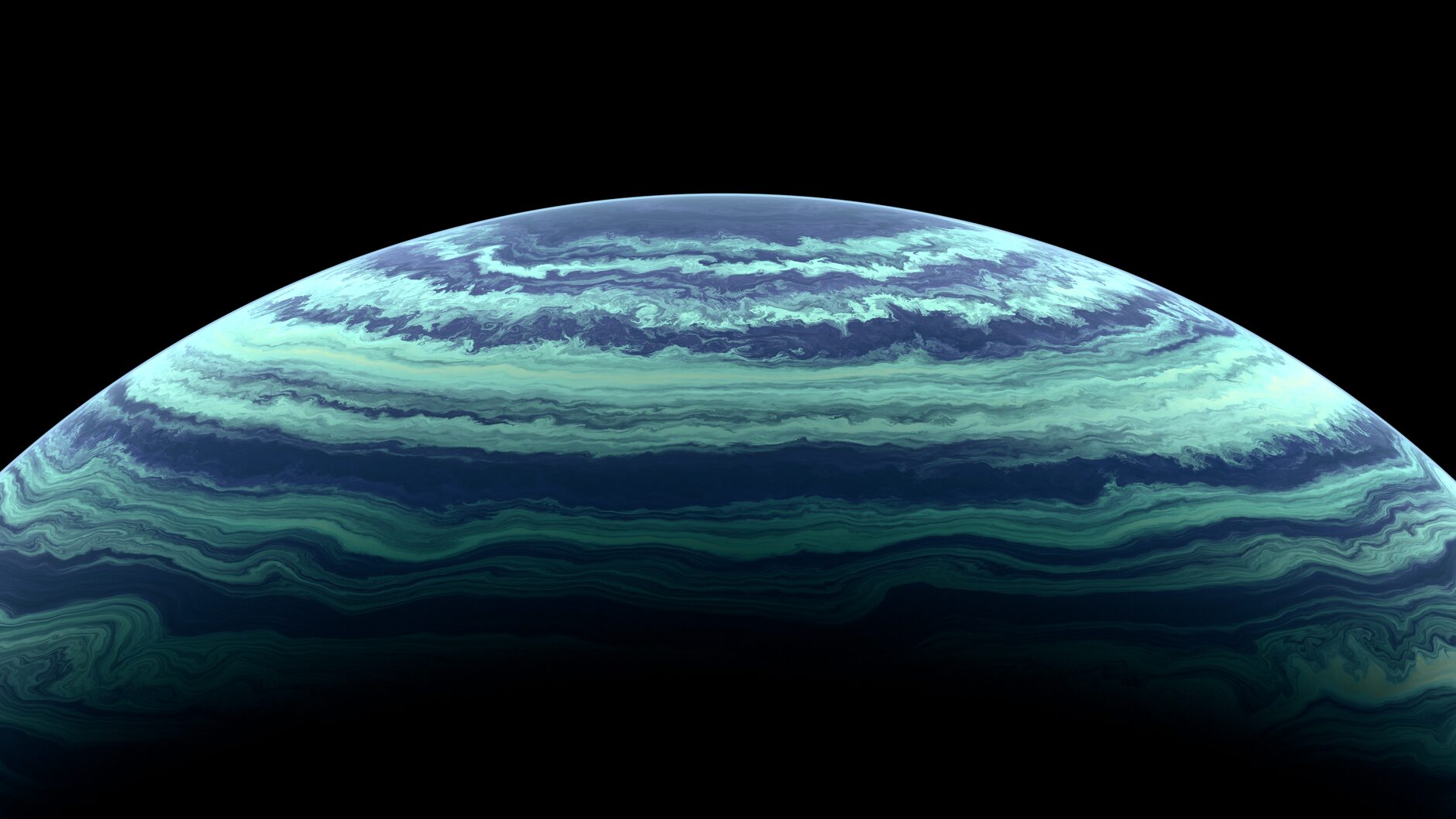
The alien planet atmosphere has been brought into the spotlight with the recent findings from the James Webb Space Telescope. Scientists are excited about the strange bulge observed, which could provide new insights into atmospheric conditions on exoplanets.
What Did the James Webb Discover?
The James Webb Space Telescope has made a groundbreaking discovery regarding an alien planet’s atmosphere, revealing a peculiar bulge that has scientists buzzing with excitement. This unexpected finding could provide crucial insights into the composition and dynamics of the atmosphere on this distant world.
Researchers observed that the bulge appears to be linked to the planet’s atmospheric pressure and temperature variations. This phenomenon raises several intriguing questions about the planet’s weather patterns and potential habitability.
Key points from the discovery include:
- Composition Analysis: The bulge suggests a unique mixture of gases that may differ from what is typically found on other exoplanets.
- Temperature Fluctuations: Variations in temperature might indicate dynamic weather systems at play.
- Future Research: This discovery paves the way for further studies to understand the alien planet’s atmosphere more comprehensively.
As more data is gathered, scientists hope to unlock the mysteries of this alien world and its intriguing atmospheric characteristics.
Understanding the Bulge in Alien Atmosphere
Recent observations from the James Webb Space Telescope have unveiled a peculiar phenomenon in the atmosphere of an alien planet. The data indicates a significant bulge that challenges previously held assumptions about the characteristics of exoplanetary atmospheres.
This unusual feature raises several questions regarding the composition and dynamics of the atmosphere. Scientists hypothesize that the bulge could be a result of various factors, including:
- Gravitational forces from the planet’s own rotation.
- Temperature variations that influence atmospheric pressure.
- Potential cloud formations or storms that could create such irregularities.
Understanding this bulge is crucial, as it may provide insights into the alien planet atmosphere and its potential habitability. Further research will be necessary to decode the mysteries behind this intriguing discovery.
Implications for Exoplanet Research
The recent discovery of a strange bulge in an alien planet’s atmosphere has significant implications for exoplanet research. Scientists are now re-evaluating how atmospheric features can inform our understanding of planetary formation and evolution. The James Webb Space Telescope has provided unprecedented data, allowing astronomers to explore the complexities of alien atmospheres in greater detail than ever before.
This revelation highlights the need for advanced models that can accurately simulate atmospheric dynamics on distant worlds. Researchers are considering various factors that could contribute to such anomalies, including:
- Gravitational influences from nearby celestial bodies
- Variations in chemical composition
- Temperature fluctuations
As we refine our techniques for studying alien planet atmospheres, these findings may ultimately lead to the discovery of new worlds that could harbor life and transform our understanding of the universe.
Future Observations and Discoveries
As scientists continue to analyze the data from the James Webb Space Telescope, future observations promise to shed light on the enigmatic alien planet atmosphere. Upcoming missions will aim to enhance our understanding of the peculiar bulge detected, which could reveal crucial information about the planet’s composition and weather patterns.
Experts anticipate that the next generation of telescopes will provide more detailed spectra, allowing for a deeper investigation into the gases present in the atmosphere. This could lead to the identification of potential biomarkers or even signs of habitability.
In addition to technological advancements, collaborative efforts among international research teams will play a vital role in unraveling the mysteries of exoplanets. The insights gained from these future discoveries will not only expand our knowledge of this particular alien world but also inform broader exoplanet research and the search for life beyond our solar system.
The discovery of the strange bulge in the alien planet atmosphere has intrigued scientists and sparked new theories about its composition. Researchers are now analyzing how this anomaly may influence the overall characteristics of the alien planet atmosphere.
Photo by Marek Pavlík on Pexels
Sources
Related stories
Trump execution livestream: Is it the worst decision ever? · 2D Match Engine: The Best Upgrade for Football Manager Fans · S&P 500 futures: Worst week for index with proven trends