Logan Coleman
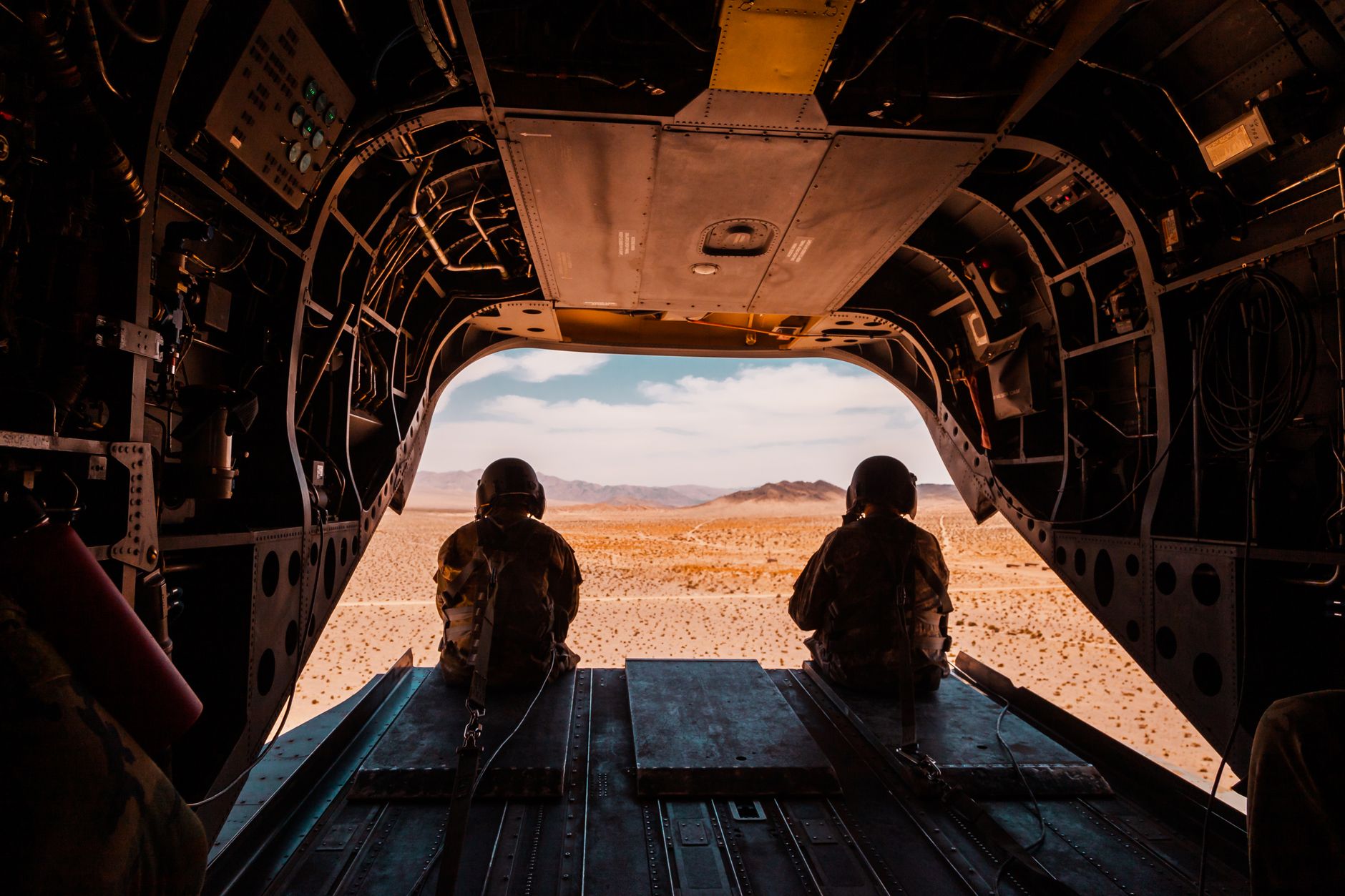
drone evacuation of soldiers is a groundbreaking development in battlefield medicine, as Ukraine claims to have successfully evacuated a wounded soldier using this technology.
What is drone evacuation?
Drone evacuation refers to the use of unmanned aerial vehicles (UAVs) to transport injured soldiers from the battlefield to safety, a method that has gained prominence in military operations. This innovative approach allows for rapid extraction, minimizing the time that wounded personnel remain in hostile environments.
In a significant development, Ukraine has reportedly conducted the world’s first successful drone evacuation of a wounded soldier. This breakthrough showcases the potential of drone technology in modern warfare and highlights Ukraine’s commitment to utilizing advanced methods for troop safety.
The process typically involves the following steps:
- Assessment: Medical personnel evaluate the condition of the injured soldier.
- Deployment: A drone is dispatched to the location, equipped with necessary medical supplies.
- Extraction: The soldier is secured and lifted away from danger.
This method not only enhances survival rates but also represents a shift in military tactics, emphasizing speed and efficiency in soldier evacuation.
Ukraine’s military advancements
Ukraine has made significant strides in military technology, particularly in the use of drones for evacuation missions. The recent reports highlight a groundbreaking achievement: the world’s first drone evacuation of soldiers. This innovative approach not only enhances operational efficiency but also dramatically reduces the risks faced by soldiers in combat zones.
In the face of ongoing conflict, Ukraine’s military has embraced technology to improve its capabilities. Key advancements include:
- Autonomous drones: These unmanned aerial vehicles can navigate complex terrains, ensuring timely evacuations.
- Real-time data transmission: Drones provide vital information to command centers, allowing for better strategic decisions.
- Rapid response units: With drones on their side, medical teams can reach injured soldiers faster than conventional methods.
The drone evacuation of soldiers illustrates a pivotal shift in modern warfare, showcasing how innovation can save lives and redefine battlefield strategies.
The impact on soldier recovery
The implementation of drone evacuation of soldiers has significantly transformed the recovery process for injured troops in Ukraine. By utilizing advanced drone technology, the military has enhanced its ability to swiftly transport wounded personnel from the battlefield to medical facilities, reducing the time between injury and treatment.
This innovation not only improves survival rates but also allows for a more efficient allocation of resources. Traditional evacuation methods can be hindered by difficult terrain and enemy fire, but drones can navigate these challenges with ease.
Key benefits of this method include:
- Rapid response: Drones can be deployed quickly, ensuring timely medical assistance.
- Reduced risk: Evacuation through drones minimizes the exposure of rescue teams to potential threats.
- Increased capacity: Multiple drones can operate simultaneously, allowing for the evacuation of several soldiers at once.
As Ukraine continues to refine this technology, the implications for soldier recovery and battlefield strategy are profound.
How drones are changing warfare
The landscape of modern warfare is rapidly evolving, with technological advancements reshaping traditional combat strategies. One of the most significant innovations is the use of drones, particularly in the evacuation of soldiers. This new approach not only enhances operational efficiency but also saves lives on the battlefield.
Drones are being deployed in various roles during military operations, including:
- Surveillance: Providing real-time intelligence on enemy positions and movements.
- Logistics: Delivering essential supplies to troops in remote or dangerous areas.
- Evacuation: Facilitating the rapid transport of injured soldiers, significantly reducing evacuation times.
The drone evacuation of soldiers exemplifies how technology is transforming the dynamics of warfare. By minimizing the risks associated with traditional evacuation methods, drones are proving to be invaluable assets in saving lives and enhancing operational success. As military forces continue to adapt, the integration of drones into tactical strategies will likely expand, further revolutionizing how conflicts are managed.
Challenges of drone evacuations
Despite the promising advancements in drone evacuation of soldiers, several challenges remain that could impact their effectiveness in combat scenarios.
One significant issue is the limited payload capacity of drones. While they can transport medical supplies and, in some cases, injured personnel, their ability to carry heavier loads is constrained, which can complicate evacuations of severely wounded soldiers.
Additionally, adverse weather conditions can hinder drone operations. High winds, rain, and fog may affect navigation and visibility, potentially delaying crucial evacuations.
Moreover, enemy fire poses a constant threat. Drones must navigate hostile environments, where they can be targeted, jeopardizing both the safety of the crew aboard and the success of the mission.
Finally, technical failures are an ever-present risk. A malfunction during a critical operation can have dire consequences, underscoring the need for robust systems and backup solutions in the field.
Comparing traditional vs. drone methods
In the realm of military operations, the methods of evacuation have evolved significantly over the years. Traditional methods often involve medics and ground vehicles navigating hazardous terrains to reach injured soldiers. This process can be time-consuming and riskier, exposing personnel to enemy fire and further complicating recovery efforts.
In contrast, the innovative drone evacuation of soldiers introduces a new paradigm. Drones can swiftly traverse difficult landscapes, providing a rapid response that minimizes the time between injury and medical attention. They can transport medical supplies or even carry injured personnel directly to safety, all while remaining out of harm’s way.
Moreover, the use of drones reduces the number of personnel needed on the ground, thereby decreasing the risk of additional casualties during rescue missions. As military engagements become more dynamic, these technological advancements highlight a shift towards smarter, safer, and more efficient methods of soldier recovery in conflict zones.
International reactions to the innovation
International reactions to the drone evacuation of soldiers have been varied, reflecting a mix of admiration, skepticism, and concern. Many military experts and analysts have praised Ukraine’s innovative approach, recognizing it as a significant advancement in battlefield medicine. They argue that the ability to quickly evacuate wounded soldiers using drones can save lives and improve recovery times.
Countries such as the United States and members of NATO have expressed interest in the technology, considering its potential applications in their own military operations. Some officials have called for further research and development to enhance the safety and efficiency of such missions.
However, there are concerns about the reliability and security of drone evacuations. Critics point out that reliance on technology could pose risks if systems fail or are targeted by enemy forces. As the dialogue surrounding drone evacuation of soldiers continues, it remains clear that Ukraine’s innovation has set a precedent that may influence future military strategies globally.
Future of drone technology in military
The future of drone technology in military operations looks promising, especially with innovations such as the drone evacuation of soldiers. As nations recognize the potential of drones, investment in research and development is expected to surge. This technology not only enhances the speed of medical evacuations but also minimizes risks to personnel on the ground.
Experts predict that advancements in drone capabilities will lead to the integration of artificial intelligence, allowing for real-time decision-making during missions. Additionally, improvements in battery life and payload capacity will enable drones to transport larger medical supplies and even multiple soldiers simultaneously.
Countries are likely to adopt hybrid systems that combine drone technology with traditional methods, enhancing overall operational efficiency. Furthermore, international collaborations may emerge to standardize protocols for drone evacuations, ensuring safety and effectiveness across borders.
As military strategies evolve, the potential for drone technology to revolutionize soldier recovery cannot be underestimated, paving the way for safer and more effective operations in the field.
The successful implementation of drone evacuation of soldiers has demonstrated Ukraine’s commitment to leveraging technology in modern warfare. This innovative approach not only enhances the safety of troops but also sets a precedent for future military operations around the world.
Photo by Art Guzman on Pexels