Logan Coleman
Faster computing technology is revolutionizing the way we approach electronics, offering innovative solutions that transcend traditional transistor limitations.
What is Faster Computing Technology?
Faster computing technology refers to the advancements in computing methods and hardware that aim to significantly increase processing speeds and efficiency. This evolution is critical as the demand for quicker data processing continues to rise across various sectors, including artificial intelligence, big data analytics, and cloud computing.
Traditional transistor-based technologies have physical limitations that can hinder performance improvements. To overcome these challenges, researchers are exploring innovative alternatives, such as:
- Quantum computing: Utilizing quantum bits to perform complex calculations at unprecedented speeds.
- Optical computing: Employing light instead of electricity for data transmission, reducing energy consumption and increasing speed.
- Neuromorphic computing: Mimicking the human brain’s neural structures to enhance processing capabilities and efficiency.
These emerging technologies promise to pave the way for faster computing solutions that can tackle the growing demands of modern applications, ultimately transforming the landscape of information technology.
The Role of M3BOLT in Computing
M3BOLT technology is emerging as a game-changer in the realm of faster computing technology, pushing the boundaries of what is possible beyond traditional transistor limits. This innovative approach utilizes a unique combination of materials and design principles to enhance computational efficiency.
One of the key advantages of M3BOLT is its ability to reduce energy consumption while increasing processing speed. As modern applications demand more from hardware, this technology provides a viable solution to meet the growing computational needs.
Some of the notable features of M3BOLT include:
- High-speed data transfer: M3BOLT enables rapid communication between components, significantly reducing latency.
- Scalability: The technology can be adapted for various applications, from personal devices to large-scale data centers.
- Enhanced durability: Improved materials contribute to a longer lifespan and reliability of computing systems.
As industries continue to seek advancements in faster computing technology, M3BOLT stands out as a pioneering solution that promises to revolutionize the landscape.
Benefits of Advancing Beyond Transistors
As the demand for faster computing technology grows, advancing beyond traditional transistors presents several significant benefits. These advantages are crucial for industries that rely on high-performance computing, such as artificial intelligence, big data analytics, and scientific research.
Some key benefits include:
- Increased Speed: New technologies, such as M3BOLT, can process data significantly faster than conventional transistors, enabling quicker decision-making and enhanced productivity.
- Energy Efficiency: Alternatives to transistors often consume less power, which not only reduces operational costs but also addresses environmental concerns related to energy consumption.
- Improved Performance: With capabilities to handle larger datasets and more complex tasks, these advanced technologies facilitate breakthroughs in research and application development.
- Enhanced Scalability: Solutions beyond transistors can easily adapt to growing computational demands, making them ideal for future advancements in technology.
Overall, moving past traditional transistor limits is essential for achieving the next generation of faster computing technology.
Future Trends in Computing Technology
The future of computing technology is poised for remarkable advancements as researchers explore innovative solutions to enhance performance and efficiency. One of the most promising trends is the shift towards quantum computing, which leverages the principles of quantum mechanics to process information at unprecedented speeds. This technology holds the potential to revolutionize industries by solving complex problems much faster than classical computers.
Additionally, the integration of neuromorphic computing mimics the human brain’s neural architecture, allowing for more efficient data processing and learning capabilities. As a result, these systems are expected to significantly outperform traditional computing technologies.
Another emerging trend is the growing use of optical computing, which utilizes light instead of electrical signals to perform calculations. This approach can potentially reduce energy consumption and increase the speed of data transmission.
As these advancements unfold, the relentless pursuit of faster computing technology will continue to drive innovation, paving the way for groundbreaking applications and reshaping the digital landscape.
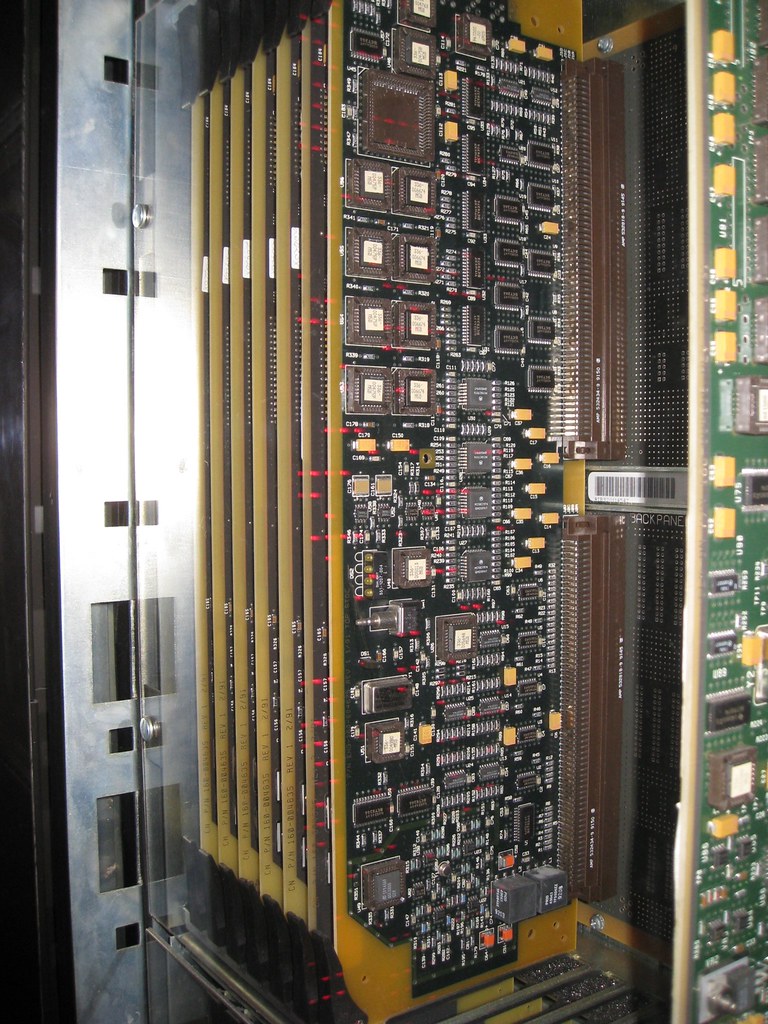
By brewbooks via Openverse