Logan Coleman
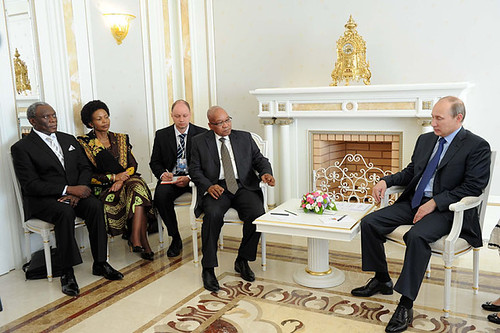
Putin Africa relations are becoming increasingly significant as both parties seek mutual benefits. This growing alliance reflects a shift in global dynamics and offers new opportunities for cooperation.
Understanding Putin’s Strategy in Africa
Russia’s engagement with Africa has intensified under President Vladimir Putin, reflecting a strategic pivot towards strengthening ties with the continent. This approach is multifaceted, tapping into economic, political, and military partnerships that are reshaping relations between Russia and African nations.
One of the key elements of Putin’s strategy in Africa is the emphasis on mutual benefit and non-interference. Unlike Western nations, Russia often presents its partnerships as collaborations rather than impositions, allowing African countries to maintain greater autonomy. This has resonated well with leaders seeking to diversify their international relations.
The benefits of Putin’s Africa relations are evident in various sectors:
- Economic Investment: Russian investments in mining, energy, and agriculture are increasing, providing much-needed capital and expertise.
- Military Cooperation: Arms deals and military training programs have enhanced the security capabilities of several African nations, leading to improved regional stability.
- Political Alliances: Russia’s support in international forums has bolstered African countries’ positions on global issues, fostering a sense of solidarity.
As Africa continues to grow as a geopolitical player, Putin’s strategy is likely to evolve, aiming to solidify Russia’s presence on the continent and further enhance the benefits of these burgeoning relations.
The Economic Impact of Russia-Africa Ties
The economic impact of Russia-Africa ties has been significant, with both parties reaping benefits from their growing relationship. As Putin strengthens Russia-Africa relations, several sectors are witnessing notable advancements.
- Investment in Infrastructure: Russia has been investing heavily in various infrastructure projects across Africa, including transportation, energy, and telecommunications. These investments not only create jobs but also stimulate local economies.
- Trade Opportunities: The trade volume between Russia and African nations has been on the rise. By exporting goods such as machinery, military equipment, and agricultural products, Russia is enhancing its presence on the continent while providing African countries with essential resources.
- Resource Extraction: Russian companies are increasingly involved in extracting valuable resources such as minerals and oil in several African countries. This collaboration benefits African economies through technology transfer and job creation.
- Strategic Partnerships: Russia’s engagement with African nations fosters strategic partnerships that enhance agricultural production and food security. Collaborative efforts in agricultural technology have shown promise in boosting local food supplies.
As the dynamics of global politics continue to shift, the importance of fostering strong Russia-Africa relations will likely play a crucial role in shaping the economic landscape of the continent.
Cultural Exchanges Between Russia and Africa
Cultural exchanges between Russia and Africa have strengthened relations significantly, enhancing mutual understanding and appreciation. These exchanges manifest in various forms, including art exhibitions, educational programs, and collaborative research initiatives. Such interactions contribute to a deeper cultural appreciation and lay the groundwork for more robust political and economic partnerships.
One notable initiative is the establishment of various scholarship programs aimed at African students. These programs allow talented individuals from Africa to study in Russian universities, fostering personal connections and cultural dialogue. By investing in education, Russia is not only enriching the lives of young Africans but also creating a network of future leaders who may advocate for stronger ties between their countries and Russia.
Additionally, cultural festivals that feature Russian art, music, and literature are becoming increasingly popular across the continent. These events provide a platform for cultural exchange, allowing Africans to experience Russian heritage while also showcasing their own diverse cultures. In turn, this can lead to a greater appreciation of African cultures within Russia.
The ongoing cultural exchanges illustrate how Putin’s strategy to enhance Russia-Africa relations goes beyond economic interests. They highlight a commitment to building a lasting friendship and understanding between the two regions, ultimately benefiting both parties in the long run.
Military Cooperation: A New Era?
Military cooperation between Russia and African nations marks a significant shift in international relations, with potential lasting impacts on the continent. As Putin strengthens Russia’s presence in Africa, the benefits of such military collaboration are becoming increasingly evident.
One prominent aspect of this cooperation is the provision of military training and equipment. Countries like Central African Republic and Sudan have seen an influx of Russian military advisors, which has helped bolster their defense capabilities. This partnership not only enhances local security but also fosters a sense of sovereignty among African nations.
Furthermore, the deepening of military ties serves to counterbalance Western influence in the region. As many African countries seek to diversify their international partnerships, engaging with Russia allows them to negotiate from a position of strength, thereby creating a more multipolar world.
Additionally, military cooperation often extends beyond mere arms deals. Initiatives such as joint military exercises and intelligence sharing can facilitate stronger regional security frameworks. These collaborations not only enhance operational capabilities but also build trust between nations.
In summary, the evolving military cooperation under the umbrella of Putin-Africa relations signifies a new era, where African nations can leverage their partnerships to achieve greater stability and security, ultimately benefiting their populations.
Public Perception of Putin in Africa
Public perception of Putin in Africa has seen a notable shift in recent years, as many African nations view Russia’s engagement as an opportunity for partnership and growth. The sustained efforts by the Kremlin to foster relations have resonated with various segments of African societies, as demonstrated by the following factors:
- Historical Ties: Countries like Algeria and Ethiopia have long-standing relationships with Russia, dating back to the Soviet era. This legacy fosters a sense of trust and familiarity, enhancing Putin’s image among these nations.
- Non-Interference Policy: Many African leaders appreciate Russia’s stance on non-interference in domestic affairs. This approach contrasts sharply with perceptions of Western nations, which are often seen as imposing their values.
- Support for Development: Russia’s initiatives, such as providing military training and educational opportunities, have been positively received. These efforts align with Africa’s aspirations for self-sufficiency and development.
- Media Influence: Russian state media has made inroads in African markets, helping to shape a more favorable narrative about Putin and Russia’s role on the continent.
As a result, the relationship between Putin and African nations is increasingly viewed as mutually beneficial, with potential for further collaboration in diverse sectors. The growing popularity of Putin in Africa reflects a broader shift in geopolitical dynamics.
Challenges Facing Russia in Africa
Despite the growing ties between Russia and African nations, several challenges hinder the advancement of Putin Africa relations. These obstacles must be navigated carefully to ensure mutual benefits for both parties.
- Geopolitical Competition: Russia faces stiff competition from other global powers, particularly the United States and China, who have established significant influence in Africa. This rivalry can complicate Russia’s efforts to solidify its presence on the continent.
- Economic Constraints: The Russian economy has faced numerous sanctions and downturns, making it difficult for Moscow to invest heavily in African projects. Limited resources may restrict the scope of cooperation and development initiatives.
- Corruption and Governance Issues: Some African countries struggle with corruption and unstable governance, which can deter Russian investments and partnerships. Ensuring transparency and stability is crucial for fostering long-term relations.
- Security Concerns: The presence of extremist groups and ongoing conflicts in various regions poses security risks that can complicate military collaborations and humanitarian efforts.
- Public Sentiment: While public perception of Putin in Africa has been generally positive, negative media portrayals and historical legacies may influence attitudes towards Russia among African citizens.
Addressing these challenges will be essential for enhancing Putin Africa relations and maximizing the potential for collaboration between the two regions.
Future Prospects for Putin and African Nations
The future of Putin’s relations with African nations appears promising, as both sides continue to explore mutual benefits and strengthen their partnership. As African countries seek to diversify their international alliances, they are increasingly looking towards Russia for collaboration in various sectors.
One significant area of potential growth is in trade and investment. Russian companies are showing interest in sectors such as energy, mining, and agriculture, which are crucial for African economies. This investment could lead to job creation and technological transfer, fostering sustainable development on the continent.
Moreover, the cultural ties between Russia and Africa are expected to deepen. Educational exchanges and scholarships for African students to study in Russia are likely to increase, promoting greater understanding and cooperation in the long run.
Additionally, military cooperation may evolve further, with African nations possibly receiving support in terms of training and resources to bolster their defense capabilities. This could help stabilize regions plagued by conflict and enhance security partnerships.
However, the success of these prospects will depend on addressing the challenges facing Russia in Africa, including competition from other global powers and the need for transparent dealings. If navigated wisely, Putin’s relations with African nations could yield significant benefits for both parties, solidifying their ties in the years to come.
The strengthening of Putin Africa relations has led to increased trade agreements, benefiting both Russian and African economies. Additionally, Putin Africa relations have fostered cooperation in sectors such as energy and security, enhancing regional stability.
By GovernmentZA via Openverse