Logan Coleman
The Diwali holiday debate has ignited discussions on whether India can afford a week-long break for this festive occasion. Many are questioning the feasibility and the implications of such a decision.
The history of Diwali holidays in India
The history of Diwali holidays in India is rich and varied, reflecting the diverse cultural landscape of the country. Traditionally, Diwali, also known as the Festival of Lights, is celebrated by millions across different regions, signifying the victory of light over darkness and good over evil.
In various states, the duration of the holiday has fluctuated over the years, often influenced by regional customs and practices. While some states have implemented a significant break during Diwali, others offer only a day or two off for their citizens.
Recently, a debate has emerged regarding the possibility of a week-long Diwali holiday, ignited by a viral post on social media. Proponents argue that an extended break would allow families to celebrate together, fostering community spirit and cultural appreciation. On the other hand, critics claim that such a lengthy holiday could disrupt economic activities and productivity.
As discussions continue, many are reflecting on the historical context of Diwali holidays in India. Understanding how these holidays have evolved can provide insight into the current Diwali holiday debate and the challenges of balancing tradition with modern-day demands.
Public opinion on extended Diwali breaks
The ongoing Diwali holiday debate has sparked diverse opinions among the public, with many expressing strong feelings about the necessity of an extended break. Some citizens argue that a week-long holiday would allow families to fully celebrate the festival, which is deeply rooted in cultural traditions.
Supporters of a longer Diwali break believe that it would:
- Enhance family bonding: A longer holiday would enable families to come together and partake in rituals, feasts, and celebrations without the stress of work commitments.
- Boost mental health: Time off from work can significantly reduce stress levels, providing individuals a chance to recharge and engage in festivities.
- Support local economies: Extended holidays could encourage tourism in regions known for their grand Diwali celebrations, thus benefiting local businesses.
Conversely, some express concerns about the implications of a week-long break. Critics argue that:
- Productivity may decline: Extended holidays could hinder workplace efficiency and project timelines.
- Disruption in services: Essential services may be adversely affected during a prolonged holiday.
As the debate continues, it is evident that the opinions surrounding the Diwali holiday are as vibrant and diverse as the festival itself.
Economic impact of a week-long holiday
The economic impact of a week-long holiday during Diwali has become a significant point of contention in the ongoing Diwali holiday debate. Proponents argue that an extended break could stimulate local economies as families engage in shopping, travel, and festive celebrations. The influx of consumer spending during this period is seen as vital for various industries, including retail, hospitality, and transportation.
However, critics caution against the potential downsides. Extended holidays might hinder productivity, particularly in sectors where continuous operations are crucial. Businesses may face challenges in meeting deadlines and maintaining service levels, which could lead to financial losses. Additionally, the cost of a week-long closure could disproportionately affect small enterprises that rely on consistent cash flow.
Some experts suggest a balanced approach, advocating for a shorter, more focused break that allows for celebration without sacrificing economic efficiency. This could ensure that both cultural significance and economic stability are preserved. Ultimately, the question remains whether the benefits of a week-long Diwali holiday justify the economic trade-offs involved, making the Diwali holiday debate a complex and multifaceted issue.
Comparative analysis with other countries
The Diwali holiday debate has sparked conversations about how other countries approach public holidays, particularly those with significant cultural and religious importance. In many nations, extended breaks are commonplace, reflecting the importance of cultural celebrations.
- United States: Major holidays like Thanksgiving and Christmas often come with long weekends, allowing families time to gather. The concept of a week-long break for celebrations such as Diwali is not foreign, as various communities observe their traditions with extended time off.
- Germany: Festivals like Oktoberfest and Christmas markets often lead to multi-day celebrations, with workers enjoying several days off. The cultural significance placed on these holidays draws parallels to the Diwali holiday debate.
- China: The Lunar New Year is celebrated with a week-long holiday, allowing citizens ample time for family reunions and observance of traditions. This model raises questions about the feasibility of a similar approach for Diwali in India.
As the debate continues, many are considering whether a week-long Diwali break would enhance cultural appreciation and family bonding, or if it poses challenges that outweigh the benefits.
Government policies on public holidays
The ongoing Diwali holiday debate has prompted various government officials to weigh in on the policies surrounding public holidays in India. Currently, the country observes a limited number of national holidays, which often leads to discussions about the necessity and feasibility of extending the Diwali break to a full week.
Several states have implemented their own policies, offering local holidays that coincide with the festival, but these often vary significantly across the country. The central government tends to prioritize a more standardized approach to holidays, aiming to maintain productivity while acknowledging cultural practices.
Critics argue that a longer Diwali holiday would not only honor the significance of the festival but also boost domestic travel and local economies. However, proponents of the current policy emphasize the need for economic stability and continuity in various sectors, particularly in manufacturing and education.
Furthermore, the debate is complicated by the views of different demographic groups, including workers, students, and businesses. Each group has unique needs and priorities when it comes to holiday scheduling, making it a challenging issue for policymakers. As discussions continue, the government is likely to face increasing pressure to revisit its holiday policies in light of the ongoing Diwali holiday debate.
Cultural significance of Diwali celebrations
The cultural significance of Diwali celebrations extends beyond mere festivities; it embodies values of harmony, prosperity, and renewal. As families come together to celebrate the triumph of light over darkness, the debate surrounding a week-long Diwali holiday gains traction.
Traditionally, Diwali marks the beginning of the new year for many communities and is steeped in rich rituals and customs. It is a time for reflection, family gatherings, and community bonding, making a longer break more appealing to those wishing to embrace these aspects fully.
During Diwali, activities such as:
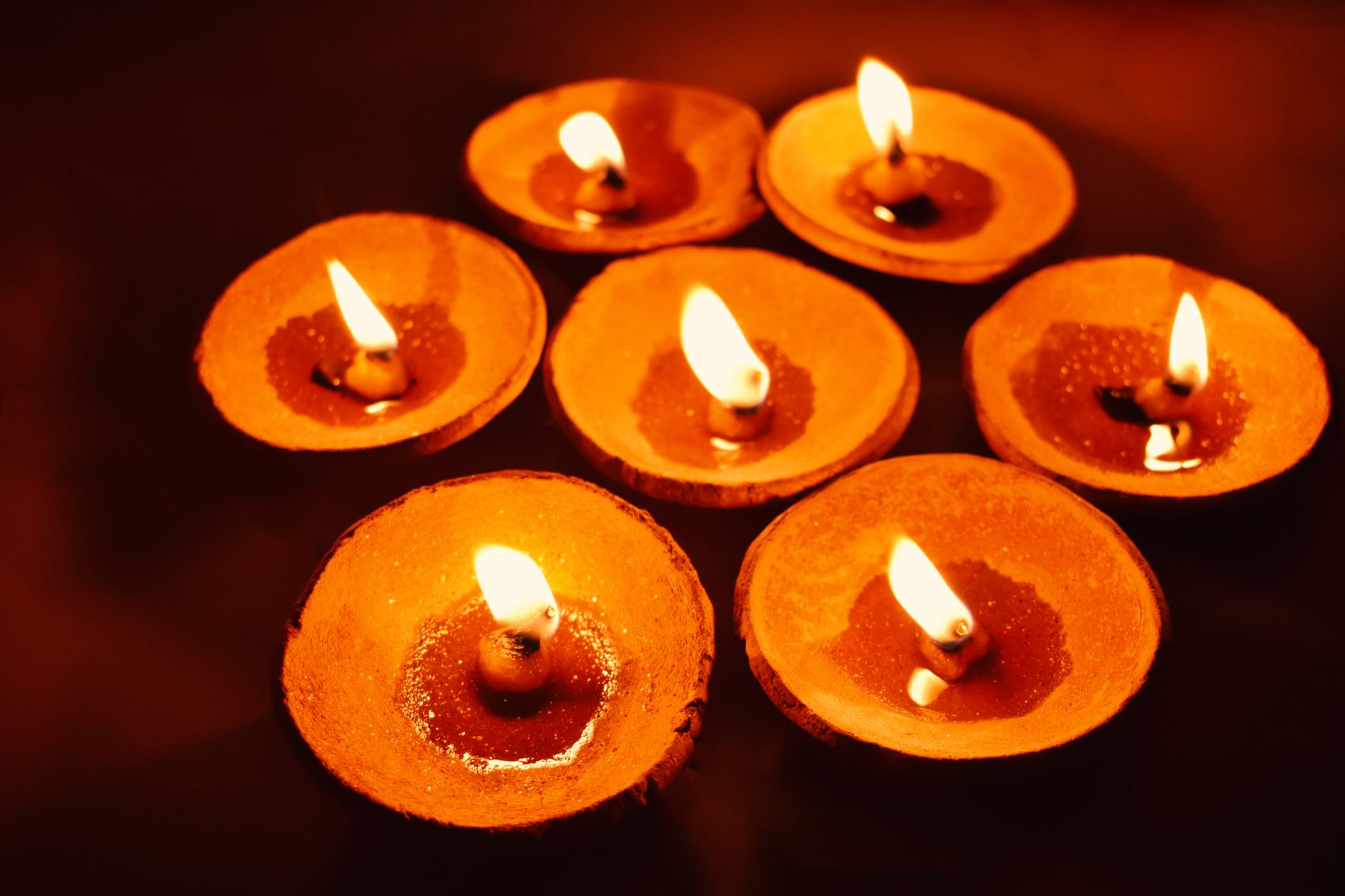
- Lighting diyas (lamps)
- Exchanging sweets and gifts
- Participating in prayers and rituals
- Decorating homes with rangoli
are essential to the celebration. Advocates for a week-long holiday argue that it would allow individuals to engage more deeply in these meaningful activities and strengthen familial ties. In contrast, opponents worry about the economic implications of extended breaks. As the Diwali holiday debate continues, many wonder if balancing tradition with modern work demands is achievable or if the essence of these celebrations will be lost in the process.
Challenges in implementing a longer holiday
The debate surrounding the Diwali holiday has unveiled several challenges in implementing a longer break. One of the primary concerns is the economic impact on various sectors that rely on continuous operations. Businesses, particularly in manufacturing and retail, often face significant disruptions during extended holidays, which can affect production schedules and revenue. The Diwali holiday debate highlights the need for a balance between cultural observance and economic viability.
Another challenge is the logistical issues of coordinating schedules across different states and regions. Each state in India has its own set of holidays, leading to a patchwork of observances that complicates the implementation of a uniform week-long break. Education systems also face hurdles, as a longer holiday could disrupt academic calendars and examinations.
Moreover, there is the question of inclusivity. Not all communities celebrate Diwali, and extending the holiday may lead to feelings of exclusion among those who do not observe the festival. This raises a critical point about ensuring that public holidays are representative of India’s diverse population.
Ultimately, navigating these challenges will require comprehensive discussions among stakeholders to reach a consensus that honors cultural traditions while addressing practical concerns.
Future of Diwali holiday discussions
The ongoing Diwali holiday debate brings to light several critical considerations for the future of public holidays in India. As discussions evolve, stakeholders are increasingly emphasizing the need to balance cultural significance with practical implications.
Various groups, from educators to business leaders, are weighing in on the benefits and drawbacks of an extended Diwali holiday. Proponents argue that a longer break could enhance family bonding and allow for more extensive celebrations, which are integral to the festival’s essence. In contrast, critics point out potential disruptions to productivity and economic activities.
The conversation is not just limited to traditional viewpoints; it also encompasses the perspectives of younger generations who seek flexibility and work-life balance. As such, the future of Diwali holidays may involve a more inclusive dialogue that considers diverse opinions across different sectors.
Moreover, policymakers may need to explore innovative solutions, such as staggered holidays or regional variations, to cater to varying needs. Ultimately, the way forward will likely depend on collaborative efforts that reflect both cultural values and modern workplace dynamics, ensuring that the spirit of Diwali is honored while addressing contemporary challenges.
The Diwali holiday debate has sparked discussions on the educational impact of extended breaks. Many argue that the Diwali holiday debate should consider both cultural significance and academic performance.
Photo by Soummyo Sarker on Pexels
References
Related reading
Trump Midterm Election Claims: The Real Impact on Democracy · Adolescents Physical Activity: Worst Trends Revealed by WHO · Spacious 7-Seaters: The Best Proven Options Coming to India