Logan Coleman
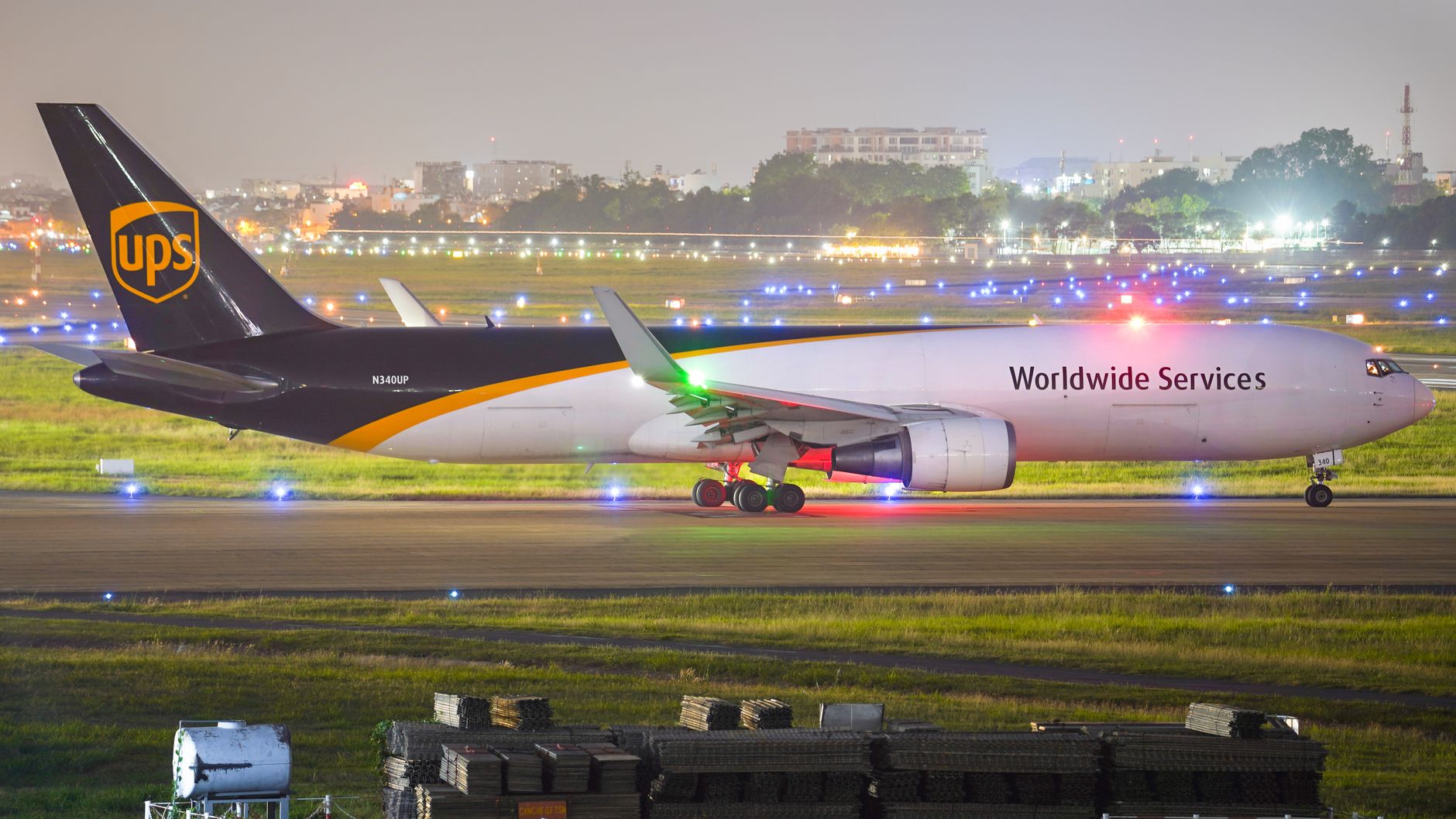
The UPS Boeing 767 collision has sparked widespread concern among aviation experts and travelers alike. This incident at Miami Airport highlights critical safety issues in airline operations.
Details of the Miami Airport Collision
On a typical day at Miami International Airport, a serious incident occurred involving a UPS Boeing 767 and a Copa Airlines plane. The collision took place on the tarmac, raising significant safety concerns among aviation experts and travelers alike.
Eyewitnesses reported a sudden and alarming sound as the two aircraft made contact. Video footage captured the aftermath, showing visible damage to both planes. The UPS Boeing 767 sustained a notable dent on its wing, while the Copa Airlines aircraft had its fuselage scratched. Fortunately, no injuries were reported among the crew or passengers, but the incident has sparked a thorough investigation.
The Miami Airport collision highlights several critical issues regarding ground operations and communication protocols. Investigators are examining whether the pilots or ground control made any errors in judgment. Key factors that may have contributed to the incident include:
- Visibility conditions: Reports indicate that weather may have impacted the pilots’ ability to navigate safely.
- Communication breakdown: It remains unclear if there were misunderstandings between the aircraft and ground control.
- Ground personnel procedures: The effectiveness of the protocols in place for directing aircraft on the tarmac is under scrutiny.
As authorities work to uncover the exact cause of the UPS Boeing 767 collision, the incident serves as a sobering reminder of the complexities of airport operations.
Immediate Aftermath of the Incident
The immediate aftermath of the UPS Boeing 767 collision at Miami Airport has raised significant concerns about airport safety protocols and operational procedures. Eyewitnesses reported chaotic scenes as emergency services arrived on the scene to assess the damages and assist those involved.
According to preliminary reports, the UPS plane was taxiing when it collided with a Copa Airlines aircraft. Both planes sustained visible damage, and there were fears of potential injuries among crew members and ground staff. Fortunately, initial assessments indicated that there were no serious injuries, but the incident prompted an urgent review of safety measures at the airport.
Following the collision, several key actions were taken:
- Emergency Response Activation: Miami Airport’s emergency services quickly mobilized to secure the area and provide medical assistance.
- Investigation Launch: The National Transportation Safety Board (NTSB) announced that it would investigate the circumstances surrounding the accident.
- Operational Disruptions: Flight operations at Miami Airport were temporarily halted, causing delays and rerouting of incoming flights.
The collision has sparked discussions within the aviation community about the importance of communication between ground control and flight crews. As authorities delve deeper into the factors contributing to the UPS Boeing 767 collision, many are left wondering how such an incident could occur in a busy airport environment.
Safety Protocols in Aviation
In the wake of the UPS Boeing 767 collision at Miami Airport, it is crucial to examine the safety protocols in aviation that are designed to prevent such incidents. These protocols encompass a variety of measures aimed at ensuring the safe operation of aircraft on the ground and in the air.
One key component of aviation safety is the implementation of strict communication procedures between pilots and ground control. Effective communication is essential for maintaining situational awareness and preventing misunderstandings that could lead to accidents. Additionally, regular training and simulations for pilots and ground crews are vital, as they prepare personnel to respond appropriately in high-pressure situations.
Another critical aspect is the use of advanced technology in air traffic management. Systems such as radar and automated alerts can help monitor aircraft movements and provide real-time updates to prevent collisions. However, even with these systems in place, human error remains a significant factor in aviation safety.
In the case of the UPS Boeing 767 collision, investigations will likely focus on whether proper safety protocols were followed and if any lapses occurred. Ensuring compliance with established safety guidelines is essential to prevent future incidents and protect the lives of passengers and crew alike.
As the aviation industry continues to evolve, ongoing assessments of safety measures will be necessary to adapt to new challenges and enhance operational safety.
Expert Opinions on the Collision
Following the UPS Boeing 767 collision at Miami Airport, aviation experts have weighed in on the factors that may have contributed to this unfortunate event. Many believe that a combination of human error and procedural lapses played a critical role in the incident.
Captain Mark Johnson, a veteran pilot with over 30 years of experience, stated, “In situations like this, clear communication between ground control and flight crews is essential. Any breakdown can lead to disastrous outcomes.” This sentiment resonates with many in the aviation community, who stress the importance of strict adherence to safety protocols.
Another expert, Dr. Linda Hayes, an aviation safety analyst, emphasized the need for comprehensive training programs. “Pilots and ground crew must be well-rehearsed in emergency procedures and the use of technology to prevent miscommunication,” she remarked. The UPS Boeing 767 collision serves as a stark reminder of the complex nature of airport operations.
Furthermore, Professor Richard Adams, an aerodynamics specialist, pointed out, “The design and layout of airport runways and taxiways can also impact safety. Continuous evaluations and upgrades are vital to adapt to increasing air traffic.”
As investigations continue, the insights from these experts highlight the multifaceted challenges faced in aviation safety and the crucial lessons that must be learned from the UPS Boeing 767 collision.
Impact on Airline Operations
The recent UPS Boeing 767 collision at Miami Airport has raised significant concerns regarding the operational protocols within the airline industry. The incident not only caused extensive damage to both aircraft but also highlighted vulnerabilities in ground operations that could affect schedules and safety.
Immediately following the collision, several flights were delayed or rerouted as emergency teams responded to the scene. The airport authority implemented a temporary halt on operations in the affected area, leading to a ripple effect across various airlines operating out of Miami. This disruption has impacted thousands of passengers, forcing them to adjust their travel plans.
Airline executives are now reviewing their standard operating procedures to ensure such incidents do not recur. Some of the key areas under scrutiny include:
- Ground Crew Training: Enhancing training programs to improve communication and situational awareness among ground personnel.
- Collision Avoidance Systems: Evaluating the effectiveness of existing technology designed to prevent ground accidents.
- Emergency Response Protocols: Streamlining procedures for rapid response to similar incidents in the future.
As airlines reassess their operations, the UPS Boeing 767 collision serves as a stark reminder of the complexities involved in airport logistics and the critical need for robust safety measures.
Future of Aviation Safety Measures
The UPS Boeing 767 collision has raised significant concerns regarding aviation safety measures, prompting industry leaders to reevaluate existing protocols. In the aftermath of such incidents, it is crucial to enhance safety strategies to prevent future occurrences.
One major area of focus is the integration of advanced technology in air traffic control systems. Innovations such as automated conflict detection and real-time tracking could significantly reduce the risk of collisions on the ground. These technologies allow for better communication between aircraft and control towers, which is vital during high-traffic situations.
Furthermore, increasing pilot training on situational awareness and emergency response is essential. Industry experts advocate for more rigorous simulations that include scenarios like the UPS Boeing 767 collision, equipping pilots to handle unexpected challenges effectively.
Another important aspect is the collaboration between airlines and regulatory bodies. Establishing a unified safety framework that incorporates lessons learned from past incidents can lead to improved operational guidelines. Regular safety audits and open channels for reporting near-miss incidents will foster a culture of safety within the aviation community.
Ultimately, the future of aviation safety measures hinges on a collective effort to learn from past mistakes and implement proactive solutions to ensure the safety of air travel for passengers and crew alike.
Photo by Go Journal on Pexels