Logan Coleman
Delhi AQI today is alarmingly high at 386, indicating hazardous air quality conditions. The smoky haze adds to the already severe pollution in India’s capital, raising health concerns for residents.
Current Air Quality in Delhi
As of today, November 22, the Delhi AQI today has reached alarming levels, with measurements indicating a hazardous Air Quality Index (AQI) of 386. This significant deterioration in air quality is attributed to a combination of factors, including the persistent smoky haze that has enveloped the city, contributing to the already high pollution levels.
Residents are facing increasing health risks due to the toxic air, prompting health officials to issue warnings. The Delhi government has urged citizens to take precautions as the air quality continues to deteriorate. Some of the recommended measures include:
- Staying indoors as much as possible
- Wearing masks when going outside
- Avoiding strenuous outdoor activities
- Using air purifiers at home, if available
The current situation has raised concerns among environmentalists and health experts, who warn that prolonged exposure to such hazardous levels can lead to serious respiratory issues and other health complications. With the winter season contributing to stagnant air conditions, many fear that this could be one of the worst air quality episodes the city has faced in recent years. The public is advised to stay updated on the Delhi AQI today and take necessary actions to protect their health.
Health Effects of Poor Air Quality
The alarming levels of air pollution in Delhi have raised significant health concerns among residents. With the Delhi AQI today recorded at a hazardous 386, experts warn that prolonged exposure to such poor air quality can lead to severe health complications.
Individuals with pre-existing health conditions, particularly respiratory and cardiovascular diseases, are at a heightened risk. The detrimental effects of high AQI levels can manifest in various ways:
- Respiratory Issues: Pollutants can exacerbate asthma, cause bronchitis, and lead to other lung-related ailments.
- Cardiovascular Problems: Poor air quality may increase the likelihood of heart attacks and strokes.
- Impaired Immune Function: Prolonged exposure to pollution can weaken the immune system, making individuals more susceptible to infections.
- Neurological Effects: Studies suggest a connection between air pollution and cognitive decline, potentially impacting mental health.
Children and the elderly are particularly vulnerable, as their bodies are less equipped to handle the adverse effects of poor air quality. Health authorities recommend minimizing outdoor activities, especially during peak pollution times, and using air purifiers indoors to mitigate the risks associated with the current situation.
What Causes High AQI Levels?
The high levels of air quality index (AQI) observed in Delhi today can be attributed to a combination of several factors that exacerbate pollution in the region. Among the primary causes are:
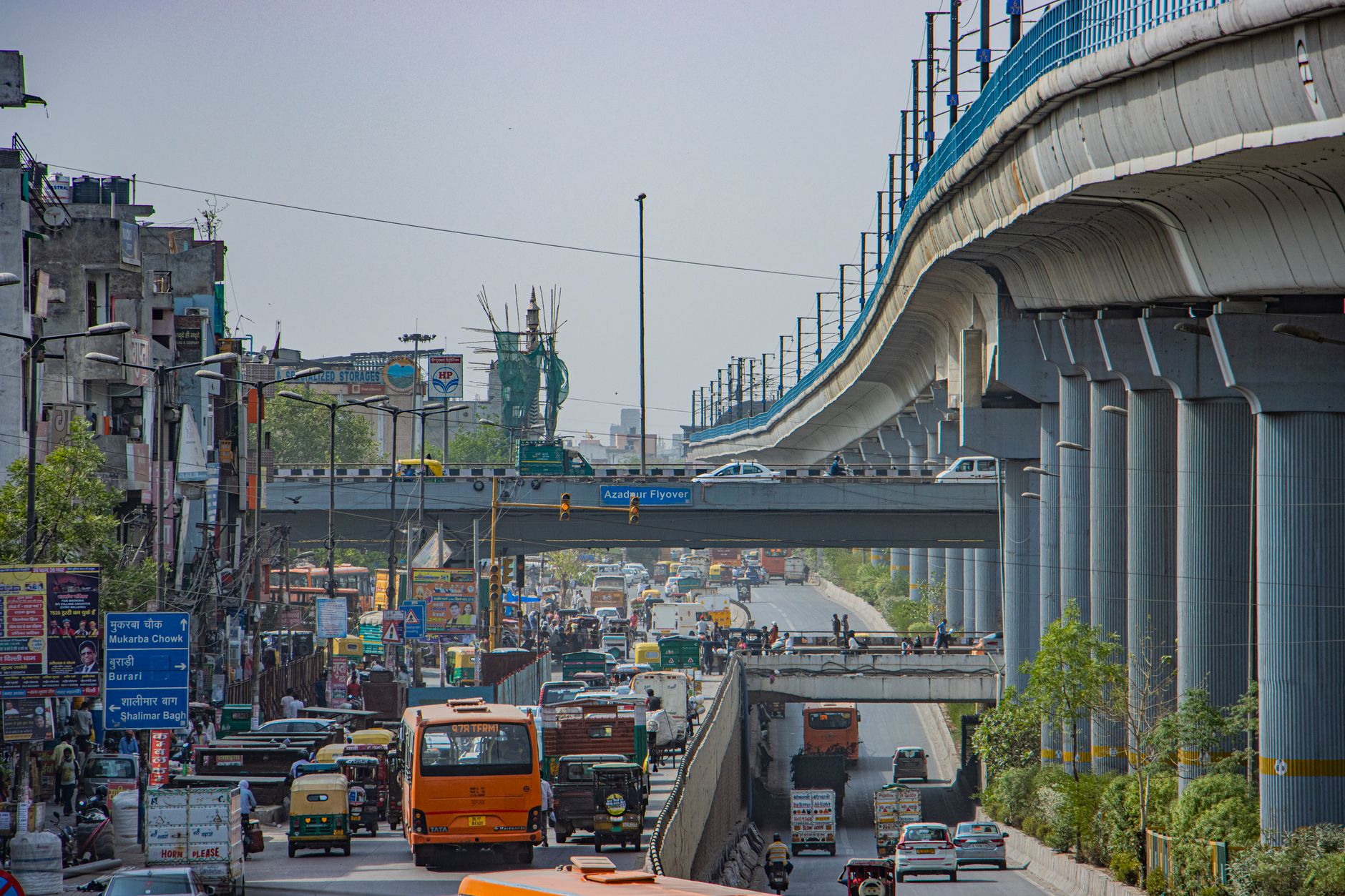
- Vehicular Emissions: The increasing number of vehicles on the road contributes significantly to the overall pollution levels. Inadequate regulation and enforcement of emission standards allow harmful pollutants to accumulate.
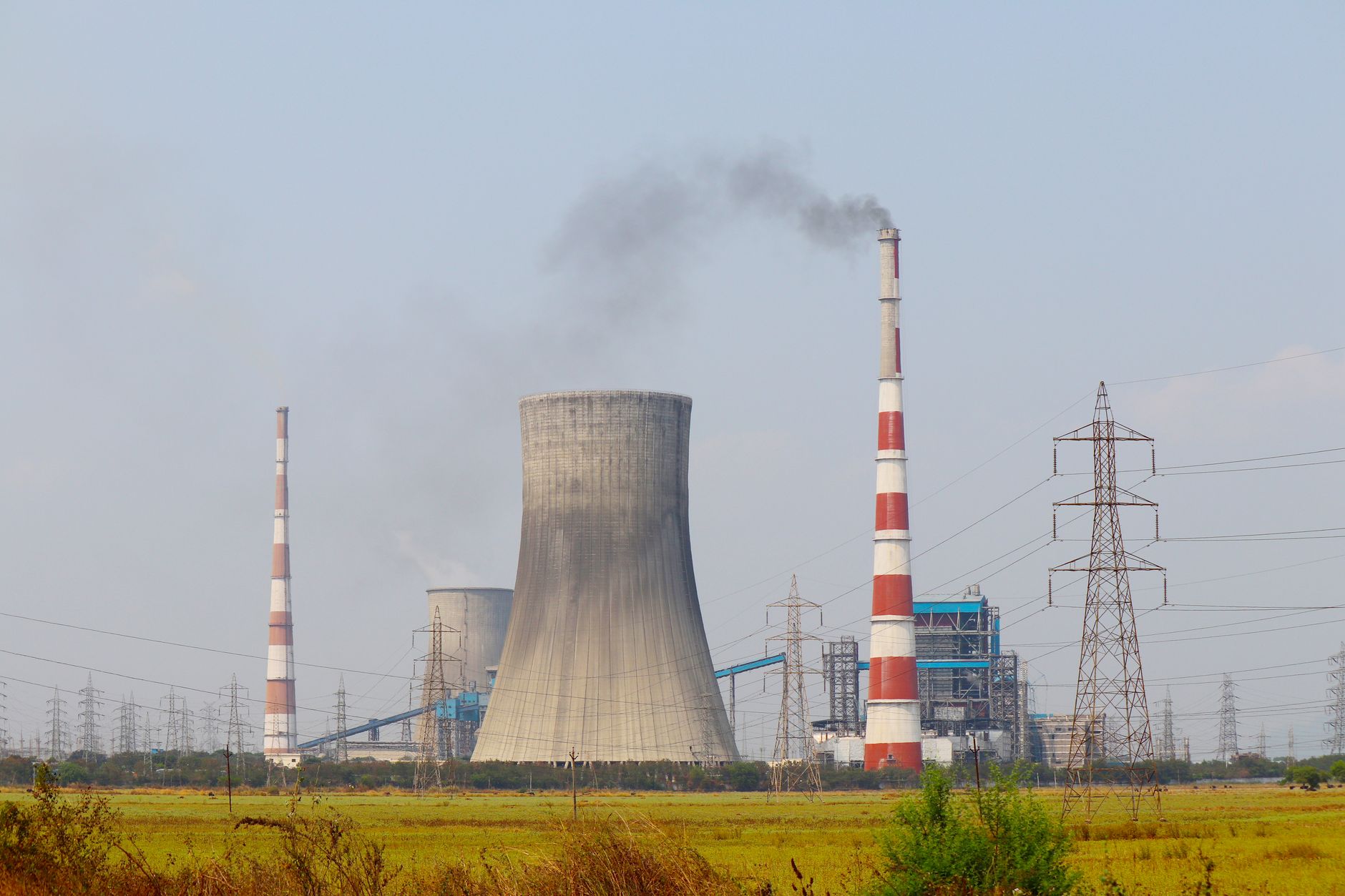
- Industrial Activity: Factories and power plants in and around Delhi release a variety of pollutants into the air, further deteriorating air quality. The lack of stringent controls on industrial emissions is a major concern.
- Construction Dust: Ongoing construction projects in the city generate substantial dust and particulate matter, which adds to the already high AQI levels.
- Burning of Biomass and Waste: The practice of burning agricultural waste and other materials in nearby states significantly contributes to the seasonal spike in pollution levels.
- Weather Conditions: Meteorological factors, such as temperature inversions and low wind speed, can trap pollutants close to the ground, leading to dangerously high AQI readings.
As reported, the Delhi AQI today stands at an alarming 386, indicating hazardous air quality conditions that pose serious health risks to residents.
Government Response to Pollution
In response to the alarming levels of pollution, the Delhi government has implemented a series of measures aimed at combating the deteriorating air quality. As reported, the Delhi AQI today stands at a hazardous level of 386, prompting officials to take urgent action.
- Emergency Measures: Authorities are enforcing a ban on construction activities in several areas, which is seen as a significant contributor to the city’s air quality issues.
- Public Awareness Campaigns: The government is launching initiatives to educate citizens about the health risks associated with poor air quality and promoting the use of public transportation.
- Monitoring Stations: Enhanced air quality monitoring stations are being established throughout the city to provide real-time data and alerts to the public.
- Collaboration with Experts: The government is consulting with environmental experts to devise long-term strategies focused on reducing emissions and improving air quality.
Despite these efforts, many residents remain skeptical about the effectiveness of the government’s response. The persistent smog and unhealthy air quality raise concerns over the long-term impacts on health and the environment. As the situation evolves, it remains crucial for both citizens and officials to stay informed about the current air quality levels and the steps being taken to address this ongoing crisis.
Tips for Staying Safe in Hazy Conditions
As the Delhi AQI today reaches alarming levels, it is crucial for residents to take necessary precautions to stay safe in hazy conditions. Here are some tips to help mitigate the health risks associated with poor air quality:
- Stay Indoors: Limit outdoor activities, especially during times when pollution levels peak. If possible, stay indoors with windows and doors closed.
- Use Air Purifiers: Investing in a good quality air purifier can significantly reduce indoor air pollution and provide cleaner air.
- Wear Masks: If you must go outside, consider wearing an N95 mask or a similar protective mask that can filter out harmful particles.
- Keep Hydrated: Drink plenty of water to help your body cope with the effects of pollution and keep your respiratory system functioning well.
- Avoid Strenuous Activities: Refrain from exercising or engaging in heavy physical activities outdoors until air quality improves.
- Monitor Air Quality: Keep track of the AQI levels through reliable sources to stay informed about when it is safe to go outside.
By following these precautions, residents of Delhi can better protect themselves during periods of hazardous air quality.
Future Projections for Delhi’s Air Quality
As Delhi grapples with unprecedented air quality challenges, future projections for the city’s AQI indicate a concerning trend. Experts predict that without substantial intervention, the Delhi AQI today could reach even more hazardous levels in the coming months.
Several factors contribute to these alarming forecasts:
- Seasonal Variations: The winter months often bring about a spike in pollution levels due to temperature inversions and stagnant air, trapping pollutants close to the ground.
- Urbanization: Rapid urban growth continues to exacerbate pollution, with more vehicles and construction activities releasing harmful emissions.
- Industrial Emissions: Industries operating within and around Delhi contribute significantly to airborne particulates, and without stringent regulations, these emissions are projected to rise.
- Climate Change: Shifting weather patterns can intensify pollution scenarios, resulting in prolonged periods of poor air quality.
In light of these projections, it is crucial for both the government and citizens to adopt sustainable practices. Initiatives aimed at reducing emissions and promoting green spaces could play a vital role in improving the air quality. If proactive measures are not taken, the Delhi AQI today could serve as a grim preview of what lies ahead for the capital’s residents.
Many residents are concerned about the implications of the Delhi AQI today on their health and daily activities. With reports indicating hazardous levels, Delhi AQI today has sparked discussions about the need for immediate action to combat air pollution.
Where this came from
Related reading
PM Modi gold advice: Is it the right choice for India? · Drug Kingpin Captured: Is This the Worst News for Cartels? · India’s first sounding rocket: A Proven Step in Space History