Logan Coleman
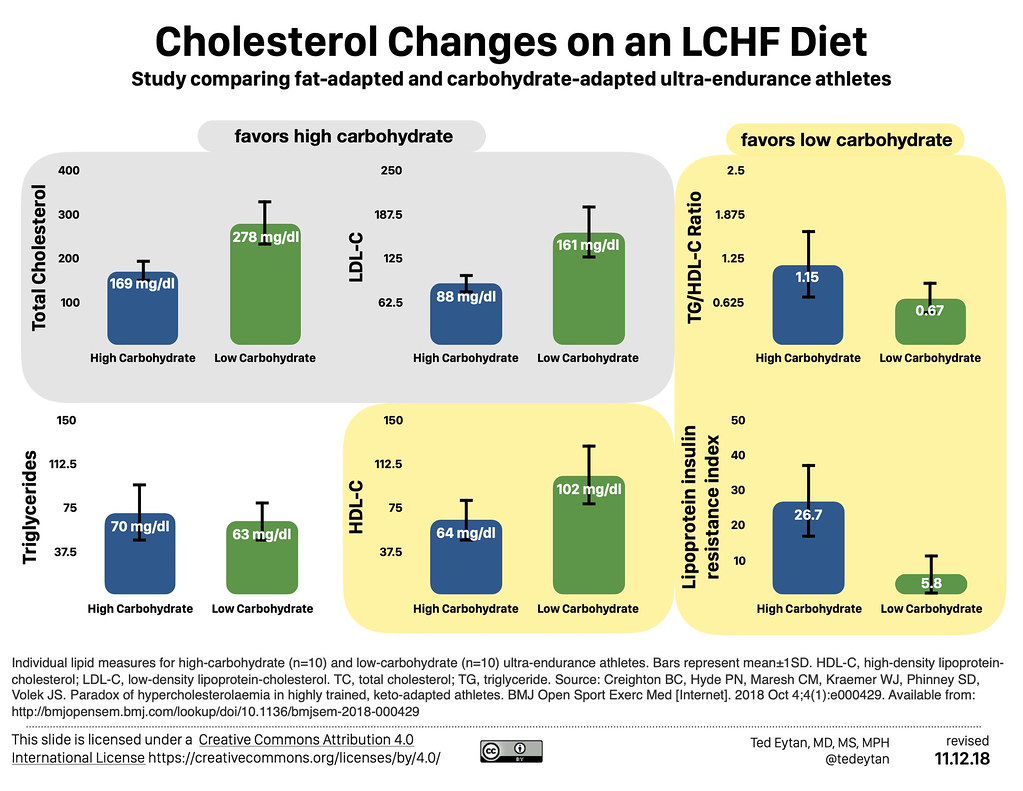
The insulin sensitivity index is a new measure that may enhance cardiovascular risk prediction. This innovative approach could lead to better management of heart health.
What is the Insulin Sensitivity Index?
The insulin sensitivity index is a crucial metric used to assess how effectively the body responds to insulin, a hormone that regulates glucose levels in the bloodstream. This index helps in understanding the body’s ability to utilize glucose, which is vital for maintaining energy levels and overall health.
Recent studies have shown that a well-calibrated insulin sensitivity index can enhance the prediction of cardiovascular risks, making it a valuable tool for healthcare professionals. By evaluating insulin sensitivity, doctors can identify individuals at higher risk for heart disease and diabetes, allowing for earlier intervention strategies.
Incorporating the insulin sensitivity index into routine health assessments can lead to improved patient outcomes by promoting better lifestyle choices and medical management.
In summary, understanding and monitoring the insulin sensitivity index is essential for proactive health management.
Importance of Cardiovascular Risk Prediction
The importance of cardiovascular risk prediction cannot be overstated in today’s health landscape. Accurate assessment allows healthcare providers to identify individuals at higher risk for heart disease, enabling timely interventions. The insulin sensitivity index serves as a vital tool in this context, offering insights into how effectively the body utilizes insulin. Understanding insulin sensitivity is crucial, as it directly correlates with metabolic health and cardiovascular outcomes.
Elevated insulin resistance is often linked to increased cardiovascular events, making the insulin sensitivity index an essential metric for predicting risk. By incorporating this index into routine assessments, clinicians can better stratify patients and tailor prevention strategies. Furthermore, early identification of metabolic disturbances can lead to lifestyle changes that significantly reduce the risk of heart disease. Overall, a robust cardiovascular risk prediction framework that includes the insulin sensitivity index contributes to improved patient outcomes and public health initiatives.
How the New Index Works
The newly developed insulin sensitivity index offers a more precise method for assessing how well the body responds to insulin. This index is derived from a series of metabolic tests that measure glucose levels and insulin response. By evaluating these factors, healthcare professionals can obtain a clearer picture of an individual’s insulin dynamics.
Key features of the index include:
- Comprehensive Assessment: It considers multiple variables that affect insulin sensitivity.
- Early Detection: The index aids in identifying at-risk individuals before symptoms arise.
- Personalized Risk Profiles: It allows for tailored lifestyle modifications and treatment plans.
As a result, the insulin sensitivity index not only enhances cardiovascular risk prediction but also provides valuable insights into metabolic health.
Potential Benefits for Patients
The insulin sensitivity index offers numerous potential benefits for patients, particularly in the realm of cardiovascular health. By accurately assessing an individual’s insulin sensitivity, healthcare providers can tailor interventions aimed at reducing cardiovascular risk.
Some of the key advantages include:
- Improved Risk Assessment: The insulin sensitivity index allows for more precise evaluation of cardiovascular risk factors, enabling earlier interventions.
- Personalized Treatment Plans: With better insights into insulin sensitivity, doctors can customize treatment strategies for conditions like diabetes and metabolic syndrome.
- Enhanced Patient Education: Understanding the insulin sensitivity index helps patients grasp their health status and motivates lifestyle changes.
- Long-term Health Monitoring: Regular tracking of the insulin sensitivity index can aid in monitoring the effectiveness of interventions over time.
Ultimately, the insulin sensitivity index serves as a crucial tool in promoting better health outcomes for patients.
Expert Opinions on the Research
Experts in the field of cardiology have expressed enthusiasm about the implications of the new insulin sensitivity index for predicting cardiovascular risk. Dr. Emily Hart, a leading researcher, stated that this index has the potential to revolutionize how we assess patients’ metabolic health. She emphasized that improved insulin sensitivity is linked to lower rates of heart disease, making this tool invaluable for early intervention.
Moreover, Dr. James Liu highlighted that traditional measures often overlook critical metabolic factors. He noted, “The insulin sensitivity index provides a more comprehensive picture of an individual’s risk profile.” This perspective aligns with growing evidence suggesting that metabolic health significantly influences cardiovascular outcomes.
Overall, experts agree that incorporating the insulin sensitivity index into routine assessments could enhance patient care and lead to better cardiovascular health outcomes.
Future Directions in Diabetes Care
As diabetes care continues to evolve, the integration of the insulin sensitivity index into routine assessments holds promise for enhancing patient outcomes. Future research should focus on validating this index across diverse populations to ensure its applicability and effectiveness in various demographic groups.
Moreover, studies exploring the long-term benefits of improved insulin sensitivity on cardiovascular health could provide invaluable insights.
- Investigating the index’s role in early detection of cardiovascular issues.
- Assessing its impact on treatment strategies and lifestyle interventions.
- Exploring technological advancements for real-time monitoring of insulin sensitivity.
Ultimately, as healthcare professionals adopt this tool, it may lead to a more comprehensive understanding of diabetes management and its broader implications for cardiovascular risk, improving the quality of care for patients globally.
Conclusion and Next Steps
In conclusion, the insulin sensitivity index emerges as a promising tool in the ongoing battle against cardiovascular disease. By providing a clearer understanding of an individual’s insulin response, this index can enhance risk prediction and guide tailored interventions. As research continues to validate its efficacy, healthcare professionals are encouraged to integrate the insulin sensitivity index into regular assessments.
Next steps involve further clinical trials to solidify its application in various populations, particularly those at high risk for cardiovascular events. Additionally, patient education about the importance of insulin sensitivity in overall health will be vital.
As we move forward, collaboration between researchers, clinicians, and patients will be essential in leveraging this innovative index to improve outcomes and foster a proactive approach in diabetes care.
By tedeytan via Openverse