Logan Coleman
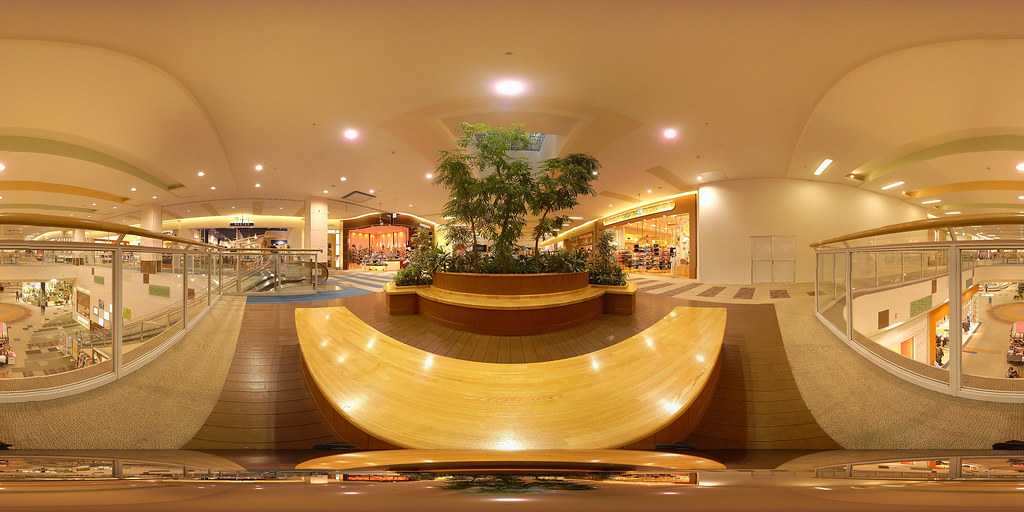
immersive shopping has become a focal point in retail, evolving beyond the metaverse. Its success hinges on thoughtful design and user engagement.
The Evolution of Immersive Shopping
The concept of immersive shopping has transformed significantly over the past few years. Initially tied closely to the metaverse, the idea has evolved, sustaining its relevance despite the metaverse’s decline in popularity. Retailers now recognize that the effectiveness of immersive shopping experiences is heavily influenced by design and user engagement.
Recent trends indicate that consumers are seeking more than just traditional shopping methods. The following factors are crucial in shaping the future of immersive shopping:
- User Experience: A seamless and intuitive interface is essential. Shoppers are more likely to engage with platforms that offer easy navigation and attractive visuals.
- Technology Integration: Incorporating augmented reality (AR) and virtual reality (VR) can enhance the shopping experience, making it interactive and engaging.
- Target Audience: Understanding the demographic and preferences of users can tailor experiences that resonate deeply, increasing customer satisfaction and loyalty.
- Storytelling: Crafting narratives around products can create an emotional connection, making the shopping experience more memorable.
As the landscape continues to shift, the focus on thoughtful design in immersive shopping will determine its success in capturing consumer interest.
Why Design Matters in Retail
In the realm of retail, design plays a pivotal role in the success of immersive shopping experiences. A well-thought-out design not only attracts customers but also enhances their overall experience, making them more likely to engage with the brand. When customers step into a retail environment, they should feel enveloped in an atmosphere that resonates with the brand’s identity and values.
Several key factors make design a critical component in immersive shopping:
- Aesthetic Appeal: Visually striking designs can captivate customers’ attention and draw them into a shopping experience.
- Functionality: Intuitive layouts and easy navigation are essential to ensure that customers can explore products with ease.
- Emotional Engagement: Thoughtful design elements that evoke emotions can create lasting impressions, encouraging return visits.
- Personalization: Tailoring the shopping experience to individual preferences can significantly enhance customer satisfaction.
Ultimately, the success of immersive shopping hinges on the ability to create a seamless blend of aesthetics, functionality, and emotional connection, making design an indispensable element in the retail landscape.
User Engagement Strategies
User engagement is crucial in creating an effective immersive shopping experience. Retailers can adopt various strategies to captivate their audience and drive interaction.
- Personalization: Tailoring content and recommendations to individual preferences enhances the shopping experience, making it feel more immersive and relevant.
- Interactive Elements: Incorporating gamification, such as challenges or rewards for participation, can increase user interaction and make the shopping journey more enjoyable.
- Augmented Reality (AR): Using AR features allows customers to visualize products in their environment, bridging the gap between online and offline shopping.
- Live Streaming: Hosting live shopping events creates a sense of urgency and community, encouraging customers to engage with brands in real time.
- Community Building: Fostering a sense of belonging through forums or social media can enhance the immersive shopping experience by connecting users with like-minded individuals.
Ultimately, the effectiveness of these strategies depends on a thoughtful design that prioritizes user experience. A well-crafted approach to immersive shopping can significantly increase customer satisfaction and loyalty.
The Future of Shopping Experiences
The future of shopping experiences is poised to be transformed by immersive shopping techniques that engage consumers in novel ways. As technology continues to evolve, retailers are exploring innovative designs that enhance the shopping journey, making it more interactive and personalized.
One key trend is the integration of augmented reality (AR) and virtual reality (VR), which allows customers to visualize products in real-time. This immersive approach not only provides a unique experience but also helps in reducing the uncertainty often felt during online shopping.
Retailers are also focusing on creating environments that resonate with their target audience. By understanding consumer preferences and behavior, brands can craft experiences that feel tailored and relevant. This might include:
- Interactive displays that respond to customer movements.
- Personalized recommendations based on previous purchases.
- Sensory experiences that engage sight, sound, and touch.
Ultimately, the success of immersive shopping will depend on how well these designs cater to consumer desires while fostering a meaningful connection with the brand.
Lessons from the Metaverse
The rise and fall of the metaverse has provided valuable insights into immersive shopping experiences. While the concept of a virtual shopping world has not fully materialized, several lessons can be drawn from its brief popularity.
- User-Centric Design: Successful immersive shopping environments prioritize user experience, ensuring that navigation is intuitive and enjoyable. Engaging interfaces can significantly enhance the overall shopping journey.
- Real-World Integration: Brands that blend digital and physical elements create a seamless experience. For instance, using augmented reality (AR) to visualize products in real-life contexts has proven effective.
- Community Engagement: The metaverse thrived on community. Retailers can harness this by fostering social interactions within immersive shopping platforms, allowing customers to share experiences and recommendations.
- Adaptability: As consumer preferences evolve, so must immersive shopping experiences. Brands need to be agile, iterating designs based on feedback and emerging trends.
By learning from the successes and pitfalls of the metaverse, retailers can create truly captivating and immersive shopping experiences that resonate with their audiences.
By vitroid via Openverse