Logan Coleman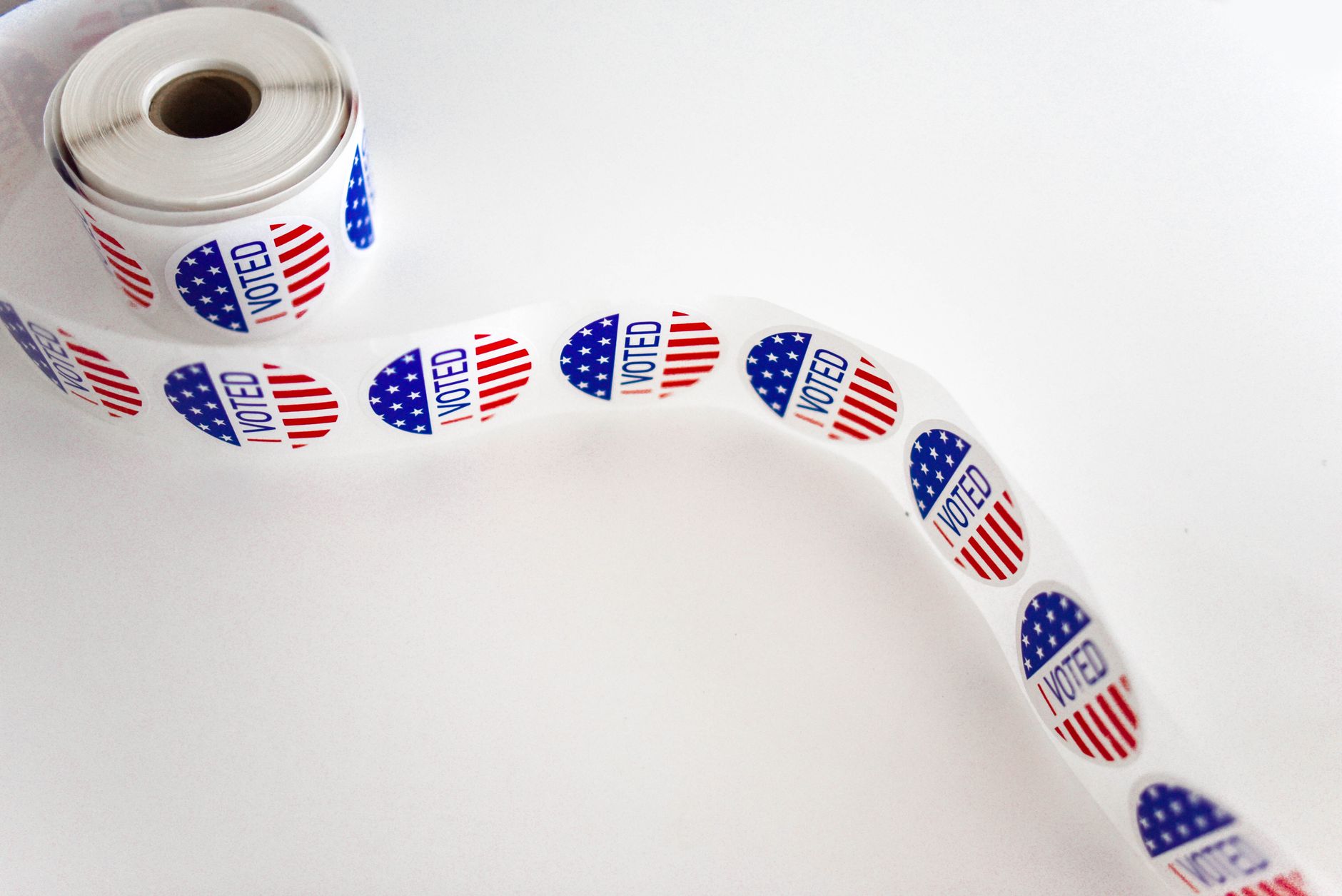
Voter rolls unlawful practices have come under scrutiny after a US judge ruled against the Justice Department’s use of them. This decision raises significant questions about electoral integrity and voter rights.
Overview of the Ruling
A recent ruling by a US judge has brought significant attention to the legality of voter rolls. The court decided that the Justice Department’s use of these rolls was unlawful, raising questions about the integrity of election processes across the nation.
The judge’s decision was based on several key points:
- Lack of Transparency: The ruling highlighted concerns regarding how voter information was handled.
- Potential for Misuse: The court noted that unlawful use of voter rolls could lead to data manipulation.
- Impact on Voter Rights: The decision emphasizes the need to protect voters from potential infringements.
As discussions continue, advocates for election integrity are calling for a thorough review of current practices surrounding voter rolls to ensure compliance with legal standards.
Impact on Voter Rights
The recent ruling by a US judge has raised significant concerns regarding the impact on voter rights. With the determination that the Justice Department’s use of voter rolls unlawful, many fear that this decision could lead to disenfranchisement of eligible voters. The implications of this ruling are multifaceted, affecting various aspects of the electoral process.
Key consequences include:
- Increased confusion: The ruling may create uncertainty about who is eligible to vote, leading to potential errors on Election Day.
- Challenges for marginalized groups: Communities that already face barriers to voting may experience even greater difficulties in accessing their rights.
- Potential for legal battles: The decision could lead to a series of lawsuits, complicating the voter registration process further.
As discussions continue, the focus remains on ensuring that voter rights are protected amidst changing legal landscapes.
Justice Department’s Response
The Justice Department has responded to recent rulings regarding the use of voter rolls, asserting that the decision raises significant concerns about election integrity. According to officials, the judge’s ruling that deemed the department’s use of voter rolls unlawful could have far-reaching implications for how voter data is managed and accessed.
In a statement, a spokesperson for the Justice Department emphasized the need for transparency and accuracy in maintaining voter rolls. They highlighted several key points:
- Legal Compliance: The department will review the ruling to ensure adherence to legal standards.
- Voter Access: Efforts will continue to safeguard voter rights while upholding lawful practices.
- Future Actions: The department may appeal the ruling to clarify its authority in managing voter rolls.
As discussions evolve, the implications of this ruling on voter rights and access remain at the forefront of public discourse.
Historical Context of Voter Rolls
The history of voter rolls in the United States is complex and often contentious. Initially established to manage electoral processes, these lists have evolved into tools that can both protect and hinder voter rights.
Throughout the 20th century, various legal battles arose over the accuracy and accessibility of voter rolls. Key moments include:
- The Voting Rights Act of 1965: This landmark legislation aimed to eliminate discriminatory practices affecting voter registration.
- Challenges in the 1980s and 1990s: Numerous states faced lawsuits over unlawfully purging voters from rolls, raising concerns about disenfranchisement.
- Recent Developments: The use of voter rolls has come under scrutiny, particularly following a US judge ruling that the Justice Department’s use of these rolls was unlawful, highlighting ongoing debates about their legitimacy.
As discussions continue, the legality of voter rolls remains a critical issue in safeguarding democratic processes.
Legal Implications of the Decision
The recent ruling by a US judge has significant legal implications concerning the use of voter rolls. The court found that the Justice Department’s reliance on these rolls was unlawful, raising questions about the legality of existing practices. This decision could set a precedent that impacts how voter registration data is managed across the nation.
Experts warn that the ruling may lead to increased scrutiny of voter rolls and the processes used to maintain them. If voter rolls are deemed unlawful, states might face challenges in updating or verifying their lists, potentially disenfranchising eligible voters. Furthermore, the implications extend beyond just administrative practices; they could influence upcoming elections and the overall integrity of the electoral process.
As legal challenges unfold, stakeholders will need to navigate the complexities of maintaining accurate voter rolls while ensuring compliance with the law.
Future of Election Integrity
The future of election integrity is now under intense scrutiny following the recent ruling that deemed the Justice Department’s use of voter rolls unlawful. This decision has sparked a debate over the balance between securing elections and protecting voter rights.
As states consider their next moves, several key points emerge:
- Increased Scrutiny: States may implement tighter regulations on how voter information is accessed and utilized.
- Public Trust: Transparency in the management of voter rolls is crucial to maintaining public confidence in the electoral process.
- Legal Challenges: Further legal battles are anticipated as various parties react to the ruling’s implications.
- Future Legislation: Lawmakers may propose new measures to address the ruling while ensuring compliance with federal standards.
Ultimately, the path forward will significantly impact the integrity of elections across the country.
The debate over whether voter rolls unlawful has gained significant attention in recent years. Many argue that maintaining accurate voter rolls is essential to safeguarding the integrity of elections.
Photo by Element5 Digital on Pexels