Logan Coleman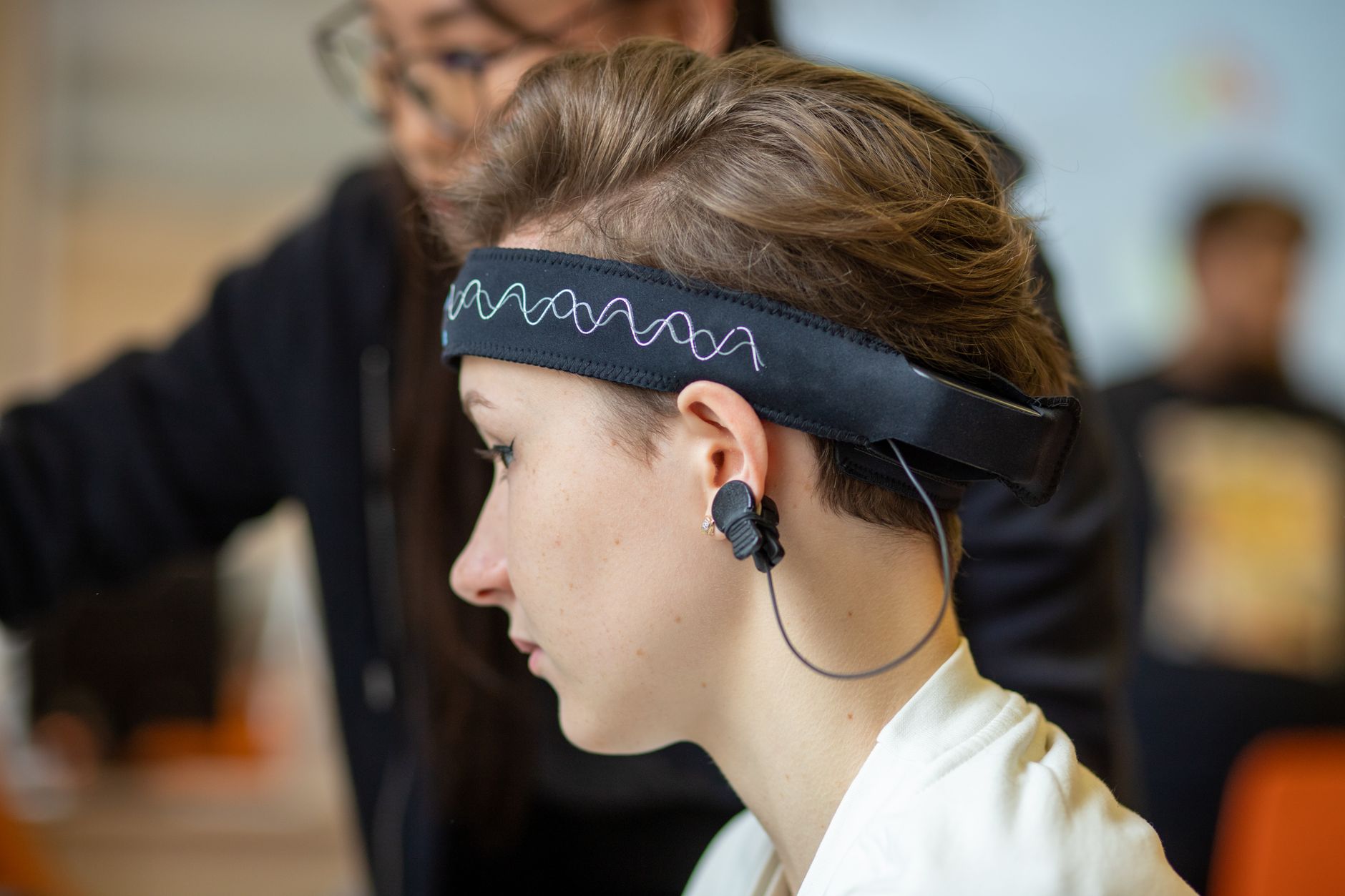
Brain-Computer Interface technology is making strides in enabling coordinated speech and movement, offering new hope for individuals with communication challenges.
What is a Brain-Computer Interface?
A Brain-Computer Interface (BCI) is a technology that facilitates direct communication between the brain and an external device. This innovative system interprets brain signals and translates them into commands that can control computers, robotic limbs, or other assistive technologies, effectively bypassing traditional pathways of communication and movement.
BCIs can be particularly beneficial for individuals with disabilities, as they offer a new avenue for expressing thoughts and intentions. By monitoring and analyzing brain activity, BCIs can help users regain control over their speech and physical movements. Some of the key components of a BCI include:
- Signal Acquisition: This involves capturing brain signals using electrodes placed on the scalp or implanted in the brain.
- Signal Processing: The raw brain signals are processed and translated into actionable commands.
- Output Device: The processed signals are sent to a device that performs the desired action, such as producing speech or enabling movement.
As research in this field progresses, the potential applications for Brain-Computer Interfaces continue to expand, paving the way for new therapeutic possibilities and enhancing the quality of life for many individuals.
How It Works
A Brain-Computer Interface (BCI) operates by establishing a direct communication pathway between the brain and an external device. This innovative technology enables individuals to control devices through thought alone, making it a groundbreaking tool for enhancing speech and movement.
The fundamental process of a BCI involves several key steps:
- Signal Acquisition: Electrodes are placed on the scalp or implanted in the brain to capture electrical signals produced by neuronal activity.
- Signal Processing: These signals are then amplified and filtered to eliminate noise, making them suitable for analysis.
- Feature Extraction: The processed signals are analyzed to identify patterns that correlate with specific thoughts or intentions regarding movement and speech.
- Device Control: Once the patterns are recognized, the system translates them into commands that can be used to operate external devices, such as computers, speech synthesizers, or prosthetic limbs.
This seamless integration of thought and machine allows users greater autonomy and improved interactions with their environment. As the technology evolves, the potential applications of brain-computer interfaces in rehabilitation and communication continue to expand, offering hope to countless individuals with disabilities.
Benefits of Using Brain-Computer Interfaces
The integration of Brain-Computer Interfaces (BCIs) into therapeutic practices offers numerous benefits, particularly for individuals with speech and movement impairments. These advanced technologies harness brain activity to facilitate communication and mobility, significantly enhancing the quality of life for users.
- Improved Communication: BCIs enable users to express thoughts and needs through direct brain signals, allowing for more effective communication, especially for those unable to speak.
- Enhanced Mobility: By interpreting neural signals, BCIs can assist individuals in controlling prosthetic limbs or even their own bodies, promoting independence and mobility.
- Real-time Feedback: Many BCIs provide immediate feedback to users, allowing them to adjust their thoughts and commands, which can lead to faster learning and adaptation.
- Customized Rehabilitation: BCIs can be tailored to meet individual needs, providing personalized therapy that targets specific motor or speech functions.
- Increased Motivation: The ability to see real-time results from their thoughts can motivate users to engage more actively in therapy and rehabilitation efforts.
As research continues to advance, the potential applications of Brain-Computer Interfaces in enhancing speech and movement are becoming increasingly promising.
Real-Life Applications
Brain-Computer Interfaces (BCIs) have made significant strides in real-life applications, particularly in the fields of rehabilitation and assistive technology. These innovative systems allow individuals with speech and movement impairments to regain control and improve their quality of life.
One of the most remarkable applications of BCIs is in helping stroke survivors and patients with amyotrophic lateral sclerosis (ALS) communicate effectively. By translating brain signals into speech, these interfaces enable users to express their thoughts without the need for physical movement. This technology has been instrumental in allowing individuals to reconnect with their loved ones.
In addition to communication, BCIs are being utilized in physical rehabilitation. By detecting brain activity associated with intended movements, these systems can assist users in retraining their motor functions. For instance, patients can control robotic limbs or exoskeletons, providing them with the ability to perform daily tasks independently.
Furthermore, the entertainment industry is exploring BCIs for gaming and virtual reality experiences. Users can interact with games and environments using their thoughts, creating a seamless integration of technology and human cognition.
As research continues, the potential applications of Brain-Computer Interfaces are vast, promising transformative impacts on society.
Future of Speech and Movement Technology
The future of speech and movement technology is poised for remarkable advancements, largely driven by innovations in Brain-Computer Interfaces (BCIs). As researchers continue to explore the capabilities of BCIs, the potential for enhanced communication and mobility for individuals with disabilities is becoming increasingly tangible.
One of the most promising trends is the development of more intuitive BCIs that can decode neural signals with greater accuracy. This would not only improve the speed of communication devices but also allow for more natural interactions. Additionally, advancements in machine learning and artificial intelligence are expected to play a significant role in refining these interfaces, enabling them to adapt to users’ unique neural patterns.
Moreover, the integration of BCIs with other emerging technologies, such as augmented reality (AR) and virtual reality (VR), could create immersive experiences for users. For instance, combining BCIs with AR could facilitate real-time communication in social settings, while VR environments could offer therapeutic settings for rehabilitation.
- Increased accessibility for individuals with speech or movement impairments
- Greater precision in controlling prosthetic devices
- Enhanced user experiences through interactive technologies
Overall, the future of speech and movement technology, supported by Brain-Computer Interfaces, is set to transform lives and expand possibilities.
The Brain-Computer Interface has shown remarkable potential in enabling individuals with speech and movement impairments to communicate more effectively. By harnessing the power of the Brain-Computer Interface, researchers are developing innovative therapies that could transform lives.
Photo by Михаил Крамор on Pexels
Sources
European Medical Journal · Brain-Computer Interface
You might also like
BJP Leads in Assam: Proven Strategies for Electoral Success · Mamdani Statement Backlash: The Real Impact on Support Networks · Sony Wolverine launch sales show worst disc version trend