Logan Coleman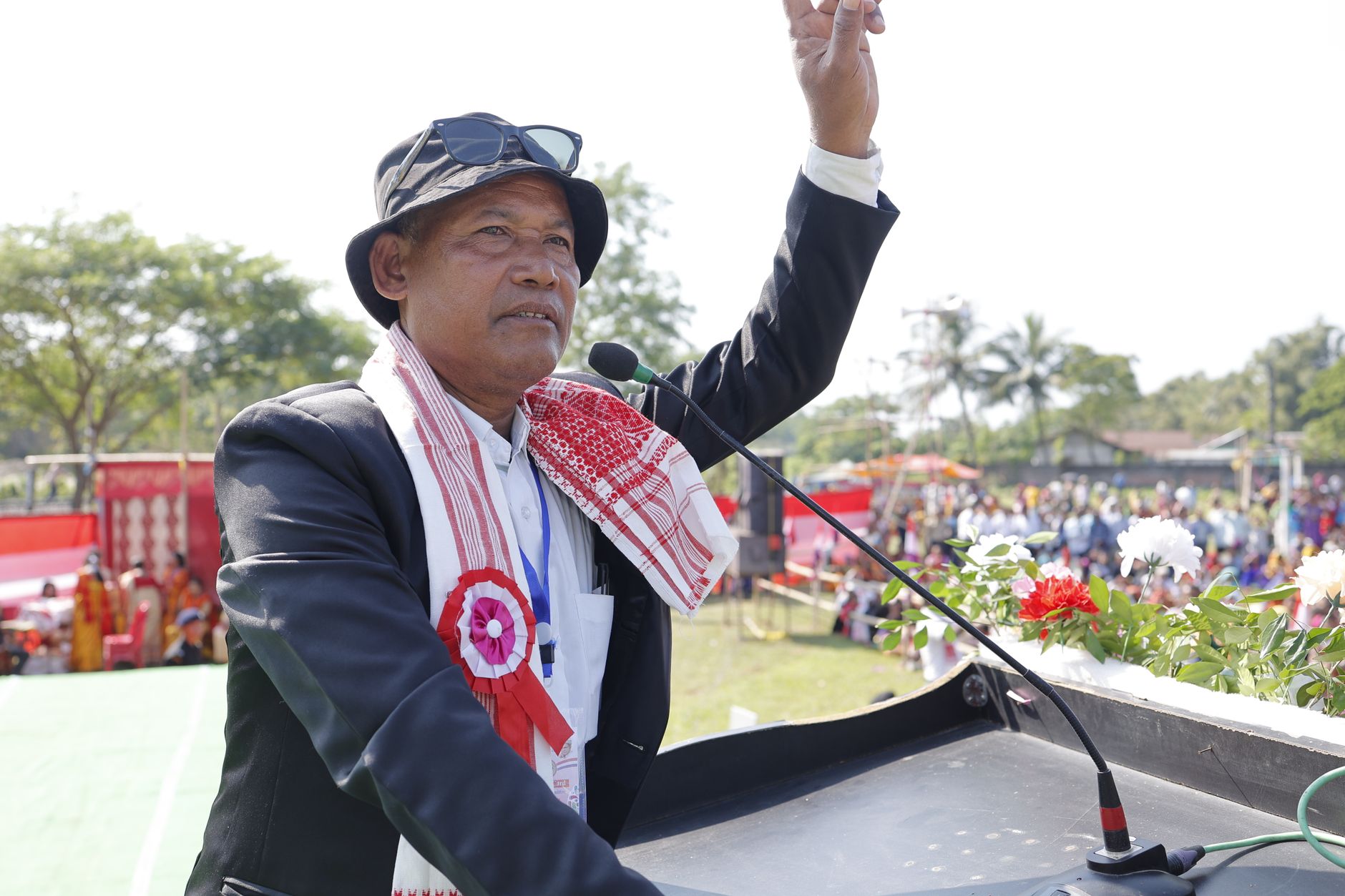
BJP leads in Assam following significant victories in the recent bypolls. This success reflects the party’s strategic approach and voter engagement efforts in the region.
Understanding the Political Landscape
Assam’s political landscape has undergone significant changes in recent years, with the Bharatiya Janata Party (BJP) leading in Assam, a trend that reflects the party’s evolving strategies and grassroots engagement. The BJP’s success in the state is attributed to a combination of effective campaigning and a deep understanding of local issues.
The party has focused on several key areas to strengthen its position:
- Grassroots Mobilization: The BJP has invested heavily in connecting with voters at the community level, ensuring that local concerns are addressed.
- Development Initiatives: Promoting infrastructure development and socio-economic programs has been central to the party’s agenda, resonating with the electorate.
- Strategic Alliances: Forming alliances with regional parties has helped the BJP to broaden its support base and counter opposition forces effectively.
- Communication Campaigns: Utilizing social media and traditional communication channels, the BJP has successfully disseminated its message, countering misinformation and building a positive image.
As the political climate continues to evolve, the BJP’s ability to adapt to the needs and aspirations of the people will be crucial in maintaining its lead in Assam.
Recent Election Results
In the recent assembly elections held in Assam, the Bharatiya Janata Party (BJP) secured a significant lead, reinforcing its position in the northeastern state. With a well-defined strategy and effective grassroots mobilization, the BJP has effectively appealed to a wide demographic, ensuring a strong voter turnout.
The results highlighted a few key factors contributing to the BJP’s success:
- Focused Campaigning: The party’s campaign emphasized development and infrastructure projects, resonating with the electorate’s aspirations.
- Community Engagement: The BJP’s outreach programs in rural areas helped bridge the gap between the party and local communities.
- Leadership Influence: Charismatic leadership and a strong party structure played a crucial role in maintaining voter loyalty.
- Strategic Alliances: Collaborations with regional parties enhanced the BJP’s appeal, consolidating votes against opposition parties.
The positive results from the elections indicate that the BJP’s approach in Assam is not only working but may serve as a model for future campaigns in other states. As the party continues to lead in Assam, other political entities will need to reassess their strategies to remain competitive in the evolving political landscape.
BJP’s Strategy in Assam
The Bharatiya Janata Party (BJP) has implemented a series of strategic moves in Assam that have solidified its position as a leading political force in the region. The party’s ability to connect with the local populace and address their concerns has proven effective, allowing them to maintain a significant lead in Assam.
Key elements of the BJP’s strategy include:
- Grassroots Engagement: The party has focused on extensive outreach programs, ensuring that they are in touch with the needs and aspirations of the citizens.
- Development Initiatives: By promoting infrastructure development and economic growth, the BJP has positioned itself as a champion of progress.
- Cultural Resonance: Understanding local sentiments and incorporating cultural elements into their campaign has helped the BJP gain trust among various communities.
- Strong Leadership: The leadership of the party in Assam has been pivotal, with figures who are both charismatic and relatable to the voters.
These strategies have not only contributed to the party’s electoral success but have also enhanced its image as a stable and reliable option for the people of Assam. As a result, the BJP leads in Assam, with a clear path to future victories.
Voter Turnout Analysis
As the BJP leads in Assam, understanding voter turnout is crucial to analyzing their electoral success. The turnout rates in Assam’s recent elections have reflected a varied engagement from the electorate, showcasing both challenges and opportunities for political parties.
In the last election cycle, voter turnout in Assam was recorded at approximately 82%, a figure that indicates a strong democratic participation. However, this number also highlights disparities between different demographics. Key factors influencing voter participation include:
- Age Group: Younger voters between the ages of 18-25 displayed increased enthusiasm, with participation rates soaring to 75%.
- Rural vs Urban: Rural areas showed higher turnout compared to urban centers, where apathy among voters was noted.
- Political Campaigns: The BJP’s focused outreach initiatives played a significant role, particularly in remote villages, ensuring that their message reached potential voters.
Another notable aspect is the role of local issues in driving turnout. Voters were particularly motivated by concerns related to infrastructure development and agricultural policies, which were effectively addressed in the BJP’s campaign.
Impact on Future Elections
The recent successes of the BJP in Assam have significant implications for upcoming elections in the region and beyond. As the party consolidates its power, its strategies may serve as a blueprint for future electoral campaigns.
Firstly, the BJP’s ability to engage with local communities has proven effective. By focusing on grassroots initiatives and addressing regional concerns, they have fostered a sense of trust among voters. This approach could be emulated by other political parties looking to enhance their relevance.
Moreover, the BJP’s adept use of social media and digital platforms has allowed them to connect with younger voters. This demographic is increasingly influential in shaping electoral outcomes, and parties that fail to adapt may find themselves at a disadvantage.
In addition, the BJP’s emphasis on development projects and infrastructure improvements resonates well with the electorate. This focus on tangible benefits could set a standard for future campaigns, pressuring opponents to present concrete plans rather than relying solely on traditional rhetoric.
Overall, the BJP leads in Assam not just through immediate electoral victories but by laying the groundwork for sustained influence in future elections. As political dynamics evolve, other parties will need to take note of these strategies to remain competitive.
Comparative Performance in Bengal
The performance of the Bharatiya Janata Party (BJP) in Assam has drawn comparisons with its electoral presence in West Bengal. Both states exhibit distinct political landscapes, yet the BJP leads in Assam showcases its effective strategies and adaptability.
In West Bengal, the BJP faced significant challenges, particularly against the Trinamool Congress (TMC) led by Mamata Banerjee. Despite high expectations during the 2021 assembly elections, the party struggled to translate its popularity into votes, ultimately losing ground to the TMC. Key factors contributing to this outcome included:
- Local Leadership: The TMC’s strong grassroots network and established leadership played a pivotal role in mobilizing voters.
- Regional Issues: The focus on local concerns, such as economic disparity and unemployment, resonated with the electorate.
- Alliance Dynamics: The BJP’s alliances in Bengal were not as robust, leading to fragmentation of the opposition vote.
Conversely, in Assam, the BJP has successfully consolidated its support base through a combination of policy initiatives and a strong connection with local communities. This comparative analysis underscores the importance of contextual strategies in different states, highlighting why the BJP leads in Assam while facing hurdles in Bengal.
Vijay’s TVK vs AIADMK
In the ongoing political dynamics across India, the Tamil Nadu bypolls have showcased a significant contest between Vijay’s TVK and the AIADMK. This battle is particularly intriguing as it unfolds alongside the BJP’s impressive lead in Assam, reflecting shifting political sentiments across various states.
The electoral landscape in Tamil Nadu has been historically dominated by regional parties, making the emergence of Vijay’s TVK a noteworthy development. With a focus on local issues and youth engagement, Vijay’s party has managed to garner substantial support, posing a challenge to the AIADMK’s long-standing influence.
Key factors contributing to the competitive edge of Vijay’s TVK include:
- Grassroots Mobilization: The party has effectively mobilized grassroots support, connecting with voters on issues that matter most to them.
- Innovative Campaigning: Utilizing social media and modern campaigning techniques, Vijay’s TVK has engaged younger demographics.
- Strategic Alliances: Forming alliances with smaller parties has expanded their reach and voter base.
As the BJP leads in Assam, the implications of the Tamil Nadu bypolls could resonate beyond state lines, potentially influencing future electoral strategies across the country.
Key Takeaways from the Bypolls
As the results from the recent bypolls pour in, several key takeaways emerge that reinforce the BJP’s lead in Assam. The party’s electoral strategies and ground-level efforts have played a significant role in shaping voter behavior and preferences.
- Strong Organizational Structure: The BJP has demonstrated an effective organizational framework, mobilizing workers and volunteers to reach out to voters in every corner of Assam.
- Focus on Local Issues: Campaign messages often centered around local concerns, resonating with the electorate and ensuring that the party remained relevant in the eyes of the voters.
- Utilization of Technology: The BJP employed digital campaigns extensively, utilizing social media platforms to engage younger voters and spread its message rapidly.
- Coalition and Alliances: Strategic alliances with local parties and influencers helped extend the BJP’s reach and garnered support from diverse groups.
- Proactive Governance: Highlighting achievements in governance and development initiatives reassured voters of the party’s commitment to progress in Assam.
These factors collectively contribute to the BJP’s solid standing in Assam, setting a precedent for future electoral strategies and potential victories in the region.
BJP leads in Assam, showcasing a strong grassroots campaign that resonates with local voters. Their ability to address regional issues effectively is a key factor in why BJP leads in Assam during elections.
Photo by Voters Party International on Pexels