Logan Coleman
electron dynamics in graphene has garnered attention for its intriguing interactions with quantum wave packets and classical point charges. This study sheds light on these complex phenomena.
Understanding Electron Dynamics
The study of electron dynamics in graphene has garnered significant attention due to its implications for future technologies. Graphene, a single layer of carbon atoms arranged in a two-dimensional lattice, exhibits unique electronic properties that differ from conventional materials.
Recent research highlights how electron dynamics can be influenced by external stimuli, such as:
- Quantum wave packets, which can manipulate electrons at a fundamental level.
- Classical point charges, offering insights into traditional electromagnetic interactions.
These findings not only enhance our understanding of electron behavior in graphene but also pave the way for innovative applications in fields like nanoelectronics and quantum computing. By exploring these dynamics, scientists aim to unlock new functionalities in graphene-based devices.
What is Graphene?
Graphene is a remarkable two-dimensional material composed of a single layer of carbon atoms arranged in a hexagonal lattice. It possesses unique electrical, thermal, and mechanical properties, making it a focal point of research in material science and nanotechnology. Graphene’s conductivity is primarily attributed to its exceptional electron dynamics, which allow electrons to move through the lattice with minimal resistance.
Because of its unique structure, graphene exhibits a range of interesting phenomena, including:
- High electron mobility: Electrons can travel faster in graphene than in traditional semiconductors.
- Quantum Hall effect: This effect occurs under specific conditions, highlighting the quantum properties of electron dynamics in graphene.
- Strong light-matter interactions: Graphene interacts with electromagnetic radiation in ways that can be harnessed for various applications.
Quantum Wave Packets Explained
Quantum wave packets are crucial in understanding electron dynamics in graphene. These wave packets represent a superposition of different momentum states, allowing electrons to exhibit both particle-like and wave-like behavior. When a quantum wave packet interacts with graphene, it can lead to complex phenomena, such as interference and scattering effects.
The unique properties of graphene, including its high electron mobility and two-dimensional structure, make it an ideal platform for studying these dynamics. Key characteristics of quantum wave packets include:
- Coherence: Maintaining a defined phase relationship among the constituent wave functions.
- Superposition: Allowing multiple states to coexist, leading to diverse electron behaviors.
- Propagation: Their ability to travel through materials while retaining shape over time.
Understanding these principles is essential for advancing applications in quantum computing and nanotechnology.
Classical Point Charges
The interaction of classical point charges with graphene presents a unique perspective on electron dynamics in graphene. Unlike quantum wave packets, which exhibit wave-particle duality, classical point charges are treated as discrete entities that exert forces on the electrons in graphene.
When a classical point charge approaches graphene, it creates an electric field that influences the motion of the electrons. This interaction can lead to various effects, such as:
- Charge Redistribution: Electrons may rearrange themselves in response to the external electric field.
- Surface Plasmon Excitation: The interaction can induce collective oscillations of electrons, known as plasmons.
- Energy Transfer: Energy may be transferred between the point charge and the electron system, impacting the dynamics.
Understanding these effects is crucial for applications in nanoelectronics and optoelectronics.
Recent Research Findings
Recent studies have significantly advanced our understanding of electron dynamics in graphene. Researchers have explored the differences in behavior when graphene is subjected to quantum wave packets versus classical point charges. The findings indicate that electron dynamics are markedly more complex under quantum conditions, leading to unique phenomena such as:
- Enhanced electron mobility in the presence of quantum wave packets.
- Localized charge distributions that influence conductivity and other electronic properties.
- Quantum interference effects that can potentially be harnessed for future technologies.
These insights provide a deeper comprehension of how graphene interacts with varying forms of energy, paving the way for advancements in electronic applications.
Implications for Future Technology
The exploration of electron dynamics in graphene holds significant implications for future technology. As researchers delve deeper into the interactions between quantum wave packets and classical point charges, novel applications in electronics and materials science are emerging.
Graphene’s unique properties, such as its exceptional conductivity and mechanical strength, suggest that advancements in this field could lead to:
- Faster electronics: Enhanced speed and efficiency in semiconductor devices.
- Improved sensors: Highly sensitive detection mechanisms for various applications.
- Quantum computing: Integration of graphene in qubits for more stable and efficient quantum systems.
As research progresses, the insights gained from studying electron dynamics in graphene could pave the way for revolutionary technologies that redefine current paradigms in various industries.
Comparative Analysis of Interactions
The study of electron dynamics in graphene reveals significant differences when comparing interactions with a quantum wave packet and a classical point charge. In the case of quantum wave packets, the electrons exhibit a more complex behavior due to their wave-like nature, leading to intricate interference patterns. This results in enhanced control over electron movement, which can be harnessed for advanced applications in quantum computing.
Conversely, classical point charges produce a more straightforward interaction, where electrons respond predictably to static electric fields. This predictability, however, limits the potential for innovation in electronic materials. The contrast between these interaction types highlights the importance of quantum effects in understanding electron dynamics in graphene, paving the way for future technological advancements.
- Quantum wave packets lead to complex electron behavior.
- Classical point charges yield predictable interactions.
Conclusion and Future Directions
In conclusion, the exploration of electron dynamics in graphene has unveiled significant insights that bridge quantum mechanics and classical physics. The comparative analysis of interactions between quantum wave packets and classical point charges demonstrates the complex behavior of electrons in this remarkable material. Researchers have made strides in understanding how these interactions can be manipulated, leading to potential applications in advanced technologies.
Looking ahead, future directions in this field will likely focus on harnessing these insights to develop innovative electronic devices and improve energy efficiency. As graphene technology continues to evolve, further investigation into electron dynamics will be crucial for unlocking its full potential.
- Exploration of novel materials for enhanced electron mobility.
- Integration of graphene in quantum computing systems.
- Development of energy-efficient electronic components.
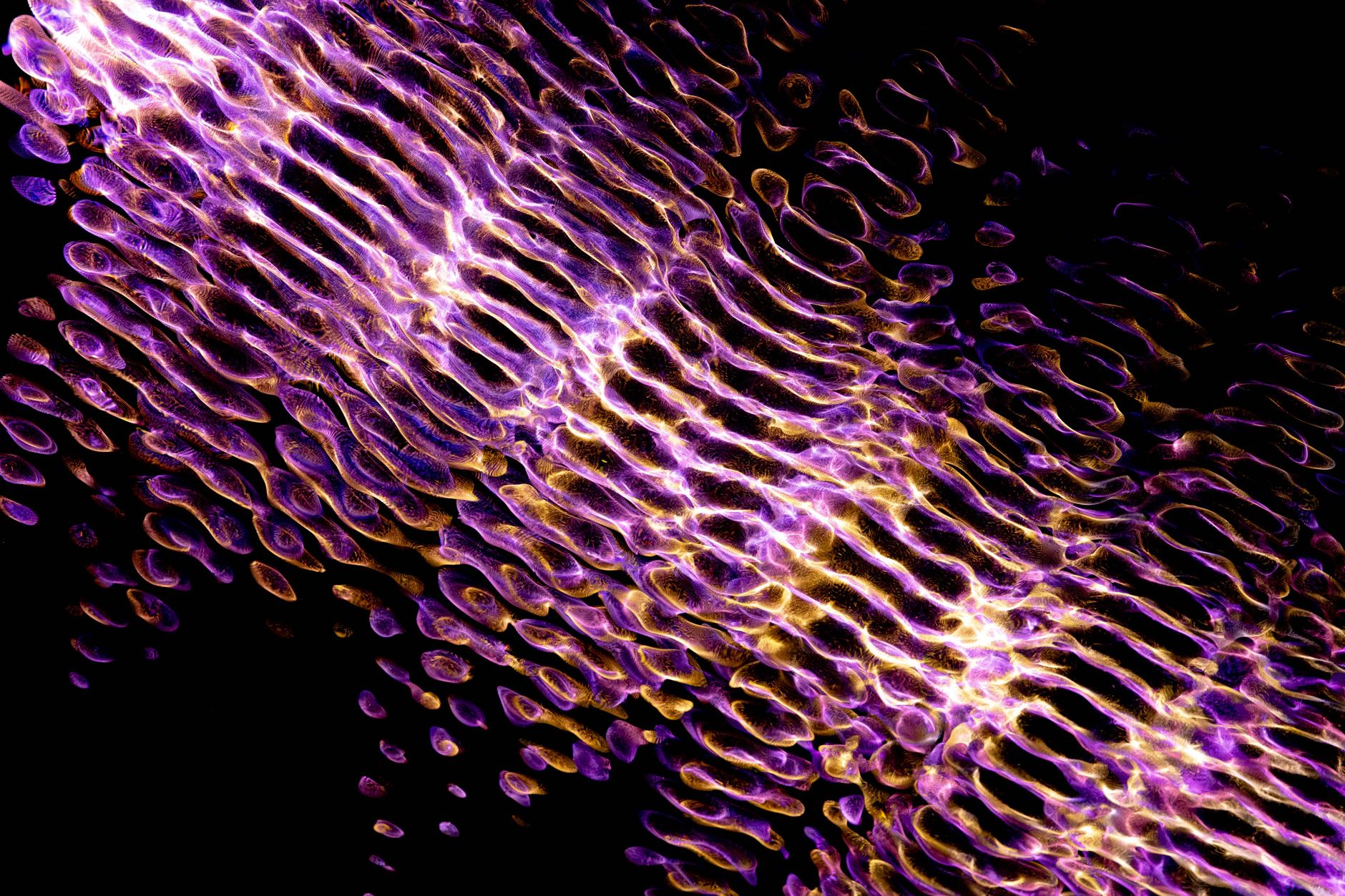
Photo by Merlin Lightpainting on Pexels