Logan Coleman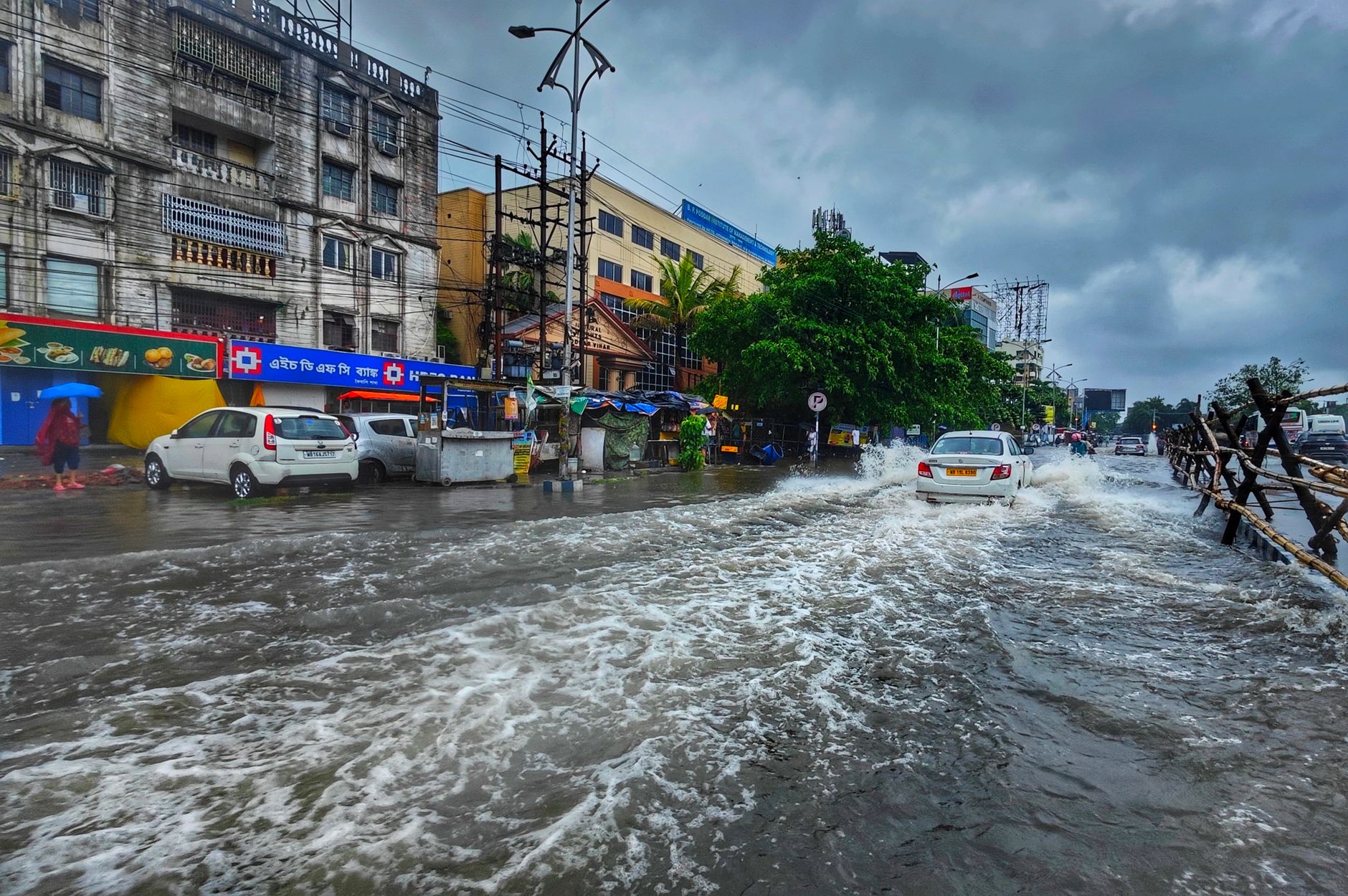
heavy rain in South India is likely today, prompting warnings for residents in affected areas. As cloudy skies linger, the forecast suggests significant rainfall could impact daily life.
Weather forecast for South India
The weather forecast for South India indicates a significant shift in conditions, with heavy rain in South India expected over the coming days. Meteorologists have predicted that the monsoon will bring intense rainfall, resulting in potential disruptions.
Residents in various regions should be prepared for:
- Increased rainfall: Localized downpours may lead to flooding in low-lying areas.
- Traffic disruptions: Heavy rain may cause delays on the roads and affect public transportation.
- Power outages: Stormy weather could result in power supply interruptions in several districts.
Authorities are urging caution and advising people to stay updated with the latest weather reports. While the rains are essential for agriculture, the accompanying challenges must be managed effectively to ensure safety.
As the situation develops, residents are encouraged to take necessary precautions and be vigilant.
Impact of rain on daily life
The recent heavy rain in South India has significantly disrupted daily life across various regions. Residents have reported challenges ranging from transportation delays to waterlogging in urban areas. This unexpected weather pattern has raised concerns about the safety and accessibility of essential services.
Key impacts include:
- Transportation: Many roads have become impassable, leading to cancellations and delays in public transport systems.
- School operations: Several educational institutions have announced closures to ensure student safety during the heavy rain.
- Agriculture: Farmers are worried about crop damage, as excessive rainfall can lead to soil erosion and flooding.
- Health risks: Increased water accumulation poses a risk of waterborne diseases, prompting health officials to issue warnings.
As the situation develops, residents are urged to stay informed and take necessary precautions to navigate the challenges posed by the heavy rain in South India.
Delhi’s cloudy skies explained
Delhi is experiencing overcast skies today, a condition that has been attributed to the influence of a low-pressure system moving through the region. This system is expected to bring significant weather changes, including heavy rain in South India, which may further affect the weather patterns in the north.
The cloudy conditions are not just limited to Delhi; the entire northern region is bracing for possible precipitation. Residents are advised to prepare for sudden changes in weather, particularly as forecasts indicate a likelihood of rain showers throughout the day.
As the monsoon season progresses, these clouds may also lead to humidity and cooler temperatures. Moreover, the atmospheric instability created by the low-pressure area might enhance the likelihood of thunderstorms.
In summary, while Delhi enjoys a temporary respite from heat, the heavy rain in South India is a reminder of the interconnected nature of weather systems across the country.
Safety tips during heavy rain
As heavy rain in South India continues to pose risks, it is essential to prioritize safety. Here are some crucial tips to keep in mind during such weather conditions:
- Stay Indoors: If possible, remain indoors during heavy rain to avoid flooding and slippery roads.
- Check Weather Updates: Keep updated with local weather forecasts to stay informed about any severe weather alerts.
- Avoid Travel: Limit travel plans, particularly in flood-prone areas, until conditions improve.
- Use Caution: If you must go outside, wear appropriate footwear and be cautious of waterlogged areas.
- Prepare an Emergency Kit: Ensure you have an emergency kit ready, including food, water, and basic medical supplies.
By following these safety measures, individuals can minimize risks associated with heavy rain in South India.
Historical rainfall patterns in the region
Historical rainfall patterns in South India reveal a complex relationship between seasonal monsoons and the region’s agriculture. Typically, the southwest monsoon brings heavy rain in South India from June to September, contributing significantly to the annual rainfall totals. This pattern has shaped the livelihoods of millions, as the rain is crucial for crop cultivation.
However, the intensity and distribution of rainfall can vary widely from year to year. For instance, data from the past decade indicates an increase in instances of extreme weather events, leading to both flooding and drought conditions in some areas. Local farmers often adapt their practices to these variations, utilizing traditional knowledge alongside modern forecasting techniques.
Despite the benefits of heavy rain in South India, the associated risks, such as soil erosion and waterlogging, pose challenges to sustainable agriculture. Understanding these historical patterns is essential for mitigating risks and maximizing the positive effects of seasonal rains.
What to expect this monsoon season
This monsoon season, residents in South India can expect a significant amount of precipitation, with heavy rain in South India anticipated throughout the coming weeks. Meteorologists predict that the region will experience an increase in rainfall intensity, particularly during the late afternoon and evening hours.
Some key aspects to keep in mind include:
- Increased rainfall: Forecasts indicate that parts of South India may receive up to 200 mm of rain in isolated areas.
- Flooding risks: Low-lying areas are at heightened risk of flooding, necessitating caution for commuters and residents.
- Disruptions in services: Public transport and essential services may face interruptions due to the adverse weather conditions.
As the monsoon progresses, it is crucial for individuals and families to stay updated on local weather advisories and be prepared for unexpected changes.
Advice for travelers in affected areas
Travelers planning to visit South India during this period of heavy rain should exercise caution and be well-prepared. Here are some essential pieces of advice for navigating the affected areas:
- Stay Informed: Regularly check weather updates and alerts to stay aware of regional conditions.
- Plan Ahead: Consider adjusting your itinerary to avoid travel during peak rain hours, typically in the late afternoon and evening.
- Emergency Kit: Carry a basic emergency kit that includes essentials like food, water, and a flashlight.
- Local Transport: Use reliable transportation services and avoid driving in flooded areas to reduce risks.
- Accommodation: Choose hotels or lodges known for their safety measures during heavy rain in South India.
By following these guidelines, travelers can better enjoy their experience while prioritizing their safety amidst the ongoing weather challenges.
Local government response to weather alerts
In response to the heavy rain in South India, local governments have activated emergency protocols to ensure public safety. Authorities are closely monitoring the weather conditions and have issued advisories to residents in vulnerable areas.
Key measures taken include:
- Emergency services readiness: Teams are on standby to assist with flooding and other weather-related incidents.
- Public awareness campaigns: Information is being disseminated regarding the potential risks associated with heavy rainfall.
- Infrastructure checks: Local officials are inspecting drainage systems and roads to prevent blockages and ensure safe travel.
Additionally, community centers are being prepared to function as shelters for those displaced by rising waters. Local leaders emphasize the importance of heeding weather alerts and staying informed about the changing conditions as South India braces for a challenging monsoon season.
Photo by Dibakar Roy on Pexels