Logan Coleman
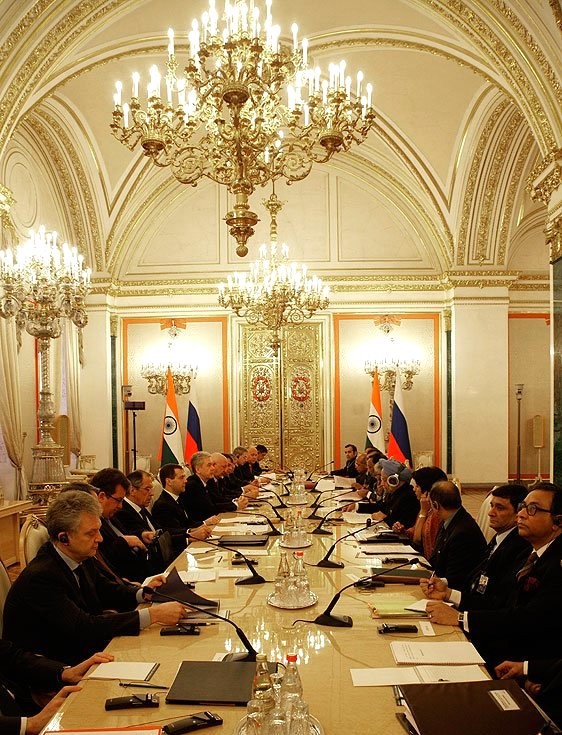
India Russia trade is on track to hit $100 billion by 2030, reflecting a robust partnership between the two nations. This ambitious target underscores their commitment to enhancing economic cooperation.
Overview of India Russia Trade Relations
The trade relationship between India and Russia has evolved significantly over the years, marked by a strong partnership in various sectors. Both nations have set an ambitious goal to achieve a trade volume of $100 billion by 2030, reflecting their commitment to enhancing economic ties.
Historically, India and Russia have collaborated in areas such as defense, energy, and technology. As global dynamics shift, both countries recognize the importance of diversifying their trade partnerships. The recent political and economic developments have further motivated India and Russia to strengthen their bilateral trade relations.
Key sectors contributing to this trade growth include:
- Defense: India is one of the largest importers of Russian military equipment, which plays a vital role in national security.
- Energy: Russia is a significant supplier of crude oil and natural gas to India, crucial for meeting the country’s growing energy demands.
- Agriculture: India exports various agricultural products to Russia, enhancing food security.
- Technology: Collaborations in space and nuclear technology are paving the way for further advancements.
These proven steps aim to bolster India-Russia trade and work towards the ambitious $100 billion target by 2030.
Current Trade Figures Between India and Russia
As of 2023, the trade figures between India and Russia have shown significant growth, reflecting the strengthening of economic ties between the two nations. The bilateral trade volume reached approximately $30 billion in the previous year, marking a notable increase compared to earlier years. This growth is attributed to a variety of factors, including the diversification of trade items and enhanced cooperation in sectors such as defense, energy, and technology.
Key components of the current trade figures include:
- Energy Sector: India has increasingly imported oil and gas from Russia, contributing to the overall trade figures.
- Defense Cooperation: A substantial part of the trade involves defense equipment and technology, with India being a major customer of Russian military supplies.
- Agricultural Products: The trade in agricultural goods, including fertilizers and food products, has also seen considerable growth.
Both nations are now striving to enhance this trade relationship further, aiming for a target of $100 billion by 2030. This ambitious goal underscores the importance of sustained collaboration and mutual benefits as India and Russia continue to strengthen their economic ties through various initiatives.
Challenges in Achieving $100 Billion Target
Achieving the ambitious $100 billion target for India-Russia trade by 2030 presents several challenges that need to be addressed. One of the primary hurdles is the fluctuating geopolitical landscape, which can impact trade agreements and economic partnerships.
Additionally, logistical issues play a significant role in hampering trade growth. The distance between the two nations, combined with inadequate infrastructure for transportation, can lead to delays and increased costs.
Another challenge is the reliance on specific sectors. Currently, trade between India and Russia is heavily concentrated in areas such as defense, energy, and pharmaceuticals. Diversifying trade to include other sectors, such as technology and agriculture, is essential for achieving the $100 billion goal.
Furthermore, regulatory barriers and trade policies can create obstacles for businesses looking to operate in either country. Streamlining these regulations will be crucial for fostering a more conducive environment for trade.
Lastly, the global economic climate, including the ongoing repercussions of the COVID-19 pandemic, presents uncertainties that could affect trade volumes. To navigate these challenges, both nations must engage in continuous dialogue and collaboration to enhance their economic ties.
Strategic Sectors for Trade Growth
To achieve the ambitious goal of $100 billion in India Russia trade by 2030, both nations are focusing on several strategic sectors that promise significant growth potential.
- Energy: With Russia being a key supplier of oil and gas, enhancing energy collaboration is vital. India aims to diversify its energy sources while ensuring a stable supply from Russia.
- Defense: The defense sector remains a cornerstone of India-Russia relations. Strengthening joint ventures and technology transfers can bolster both countries’ military capabilities.
- Agriculture: India seeks to increase agricultural exports to Russia, particularly in spices, tea, and fruits. In return, Russia can offer grains and fertilizers, benefiting both economies.
- Pharmaceuticals: The pandemic has highlighted the importance of healthcare collaboration. Joint research and production in pharmaceuticals can lead to mutual gains and improved public health outcomes.
- Information Technology: With a growing demand for digital solutions, India can leverage its IT prowess to partner with Russian firms, enhancing technology exchanges and innovation.
By strategically targeting these sectors, India and Russia can pave the way for robust trade growth, ultimately working towards the $100 billion target.
Future Prospects for India Russia Economic Ties
The future prospects for India Russia trade look promising as both nations continue to strengthen their economic ties. Steps taken in recent years indicate a shared commitment to achieving a trade target of $100 billion by 2030. This ambitious goal reflects the increasing recognition of mutual benefits in various sectors.
Several factors contribute to the positive outlook for future trade relations:
- Strategic Partnerships: Both countries are exploring new avenues for collaboration, particularly in energy, defense, and technology.
- Investment Opportunities: Increased Russian investments in India’s infrastructure and Indian investments in Russia’s energy sector signal mutual trust and long-term commitment.
- Policy Support: Governments are implementing favorable policies to facilitate easier trade processes and reduce bureaucratic hurdles.
- Cultural Ties: Strong historical and cultural connections continue to foster goodwill, which is essential for sustained economic cooperation.
As these factors converge, the trajectory of India Russia trade is set to evolve significantly. With the right strategies and continued commitment from both sides, reaching the $100 billion target is not only possible but also an attainable milestone that can redefine their economic partnership.
Conclusion and Key Takeaways
In conclusion, the path to achieving the ambitious $100 billion target for India Russia trade by 2030 presents both challenges and opportunities. As both nations continue to strengthen their economic ties, strategic collaboration across various sectors will be crucial. The commitment demonstrated by both governments to enhance bilateral trade can serve as a catalyst for broader economic cooperation.
Key takeaways from the ongoing discussions and strategies include:
- Enhanced Engagement: Regular dialogues and high-level visits can foster better understanding and pave the way for increased investments.
- Diverse Sector Focus: Targeting sectors such as defense, energy, and technology can create new avenues for growth.
- Addressing Obstacles: Identifying and mitigating challenges such as trade barriers and regulatory hurdles will be essential for smooth operations.
- Investment in Infrastructure: Improving logistics and infrastructure will facilitate trade and make it more efficient.
- Public-Private Partnerships: Encouraging collaboration between government and private sectors can enhance innovation and competitiveness.
As India and Russia work towards achieving their trade aspirations, continuous efforts and commitment from both sides will be key to realizing the $100 billion goal.
To achieve the ambitious $100 billion goal, stakeholders must focus on enhancing the India Russia trade relationship through strategic partnerships and investments. Furthermore, diversifying the sectors involved in India Russia trade can lead to sustainable economic growth for both nations.
By Presidential Press and Information Office via Openverse
Where this came from
Related stories
Hyundai Bayon SUV: The Best Smart Features Unveiled Today · Serbia parliamentary election: What Went Wrong for Vucic? · Uttar Pradesh school holiday: Is it the right time for Valmiki Jayanti?