Logan Coleman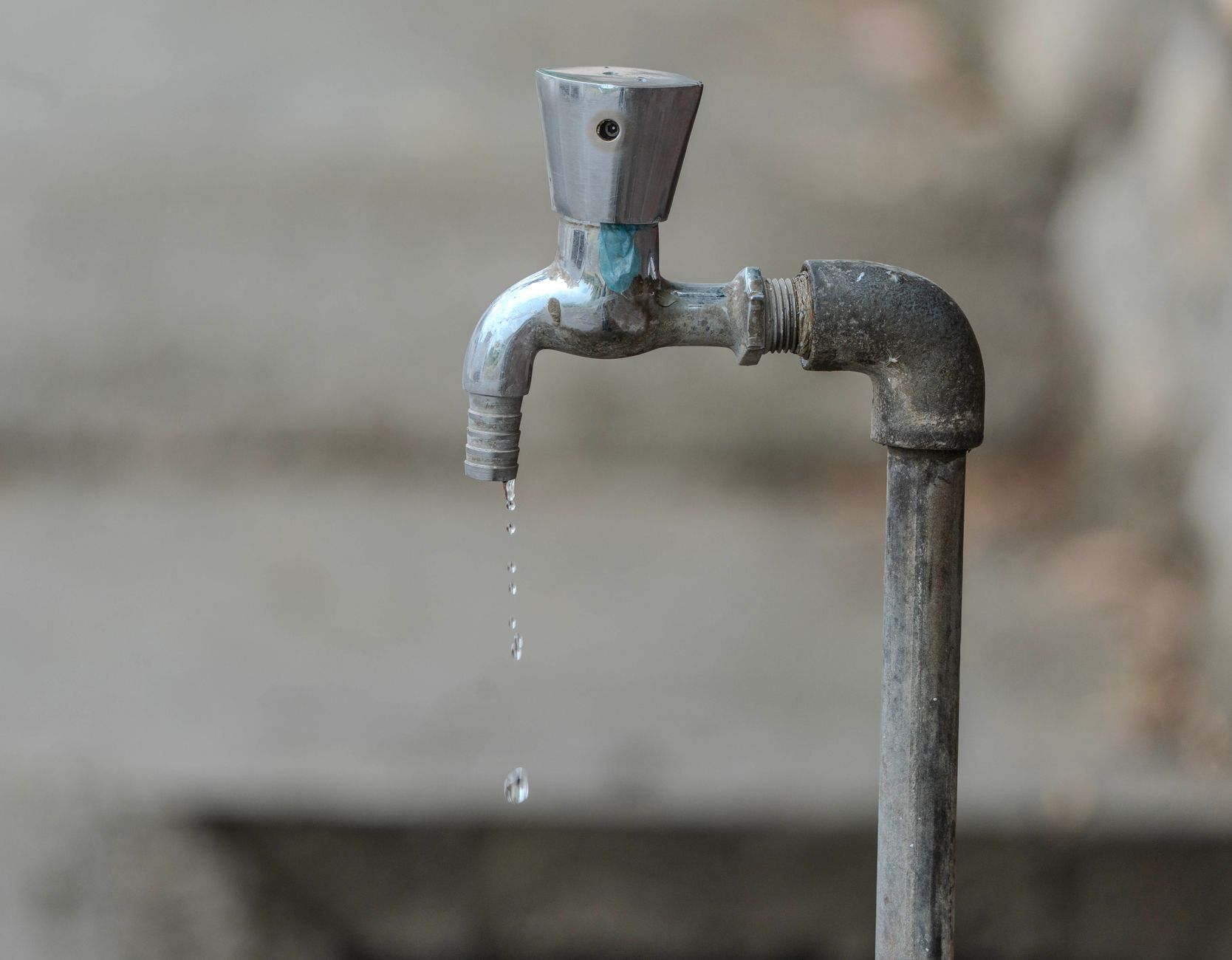
India water shortage is a pressing issue that affects millions. The crisis is not just about scarcity but also about management and policy challenges.
Understanding the Water Crisis in India
The water shortage in India is not just a mere inconvenience; it is a profound crisis that affects millions of lives. As urbanization and population growth accelerate, the demand for water has surged, leading to a stark imbalance between supply and consumption.
Several factors contribute to the escalating water crisis:
- Climate Change: Increasing temperatures and erratic rainfall patterns have significantly impacted water availability.
- Over-extraction: Many rivers and groundwater sources are being exploited beyond their natural replenishment rates, resulting in depletion.
- Poor Infrastructure: A lack of efficient water management systems leads to significant losses due to leakage and inefficient distribution.
- Pollution: Industrial waste and untreated sewage contaminate water bodies, further reducing the available clean water supply.
- Population Growth: With a rapidly growing population, the demand for water in agriculture, industry, and domestic use continues to escalate.
As the water shortage in India deepens, it poses severe risks to health, agriculture, and overall economic stability, highlighting the urgent need for sustainable solutions.
Causes of Water Shortage in India
India’s water shortage is a multifaceted issue that stems from various interrelated causes. First and foremost, population growth has led to increased demand for water resources, putting immense pressure on existing supplies. With over 1.4 billion people, the strain on water availability is significant and continues to escalate.
Another critical factor is climate change, which has altered rainfall patterns and exacerbated drought conditions in many regions. This unpredictability has made it challenging for farmers and urban planners to manage water resources effectively.
Additionally, the mismanagement of water resources contributes to the crisis. Excessive groundwater extraction for agricultural and industrial use has led to the depletion of aquifers, making it increasingly difficult to access clean water. Furthermore, pollution from industrial waste and inadequate waste management practices has contaminated many of the rivers and lakes, further reducing the availability of safe drinking water.
Lastly, infrastructure deficits hinder effective water distribution. Many areas lack the necessary facilities to store and transport water efficiently, leading to significant losses and inequitable access.
Impact on Agriculture and Food Security
The ongoing India water shortage has profound implications for agriculture and food security, sectors that are essential to the nation’s economy and livelihood. With over half of the population reliant on agriculture, the scarcity of water resources threatens not only crop yields but also the nutritional needs of millions.
Farmers are increasingly facing challenges due to:
- Decreased crop production: Insufficient water supply leads to lower yields of staples such as rice and wheat, jeopardizing food availability.
- Increased production costs: Farmers are forced to invest in expensive irrigation systems or alternative water sources, straining their financial resources.
- Soil degradation: Over-extraction of groundwater for irrigation can lead to soil salinity, which further diminishes agricultural productivity.
The ripple effect of these issues extends beyond farmers, impacting food prices and availability for consumers. As agricultural output declines, the threat of food insecurity looms large, raising concerns about malnutrition and health among vulnerable populations.
Addressing the India water shortage is thus crucial for safeguarding the future of agriculture and ensuring food security in the country.
Government Initiatives to Address the Crisis
The Indian government has recognized the severity of the water shortage crisis and initiated several measures aimed at addressing the issue. These initiatives are designed to promote sustainable water management and enhance access to clean water for all citizens.
Among the prominent strategies implemented are:
- National Water Mission: Launched as part of the National Action Plan on Climate Change, this mission focuses on conservation and efficient management of water resources across the country.
- Jal Jeevan Mission: This initiative aims to provide every rural household with access to sufficient drinking water through functional taps by 2024, thereby alleviating the burden of water scarcity.
- Rainwater Harvesting: The government is promoting rainwater harvesting techniques to recharge groundwater levels and reduce dependency on surface water sources.
- Awareness Campaigns: Various campaigns are being launched to educate citizens about water conservation practices and the importance of preserving water resources.
While these initiatives are a step in the right direction, experts stress the need for more comprehensive policies and community involvement to effectively combat the ongoing water shortage crisis in India.
Community Responses to Water Scarcity
In response to the growing India water shortage, local communities are stepping up to address the crisis with innovative solutions. Grassroots movements and NGOs are leading the charge, promoting awareness and sustainable practices.
Several community-driven initiatives have emerged across the country, focusing on:
- Rainwater Harvesting: Many villages are adopting rainwater harvesting systems to collect and store rainwater for agricultural and domestic use.
- Water Conservation Education: Workshops and educational programs are being implemented to teach residents about efficient water usage and conservation techniques.
- Community Wells: In areas facing severe water scarcity, communities are collaborating to dig and maintain wells, ensuring access to groundwater.
- Afforestation Projects: Communities are engaging in tree-planting drives to restore local ecosystems, which can help in maintaining the water cycle.
These grassroots efforts highlight a shift towards local resilience, as communities recognize the urgency of the water crisis and take proactive measures to secure their water supply for the future.
India Water Shortage: Future Outlook
The future outlook regarding the India water shortage is increasingly concerning, as projections suggest that the situation may worsen if immediate action is not taken. Climate change, rapid urbanization, and population growth are compounding factors that threaten the already strained water resources.
Experts predict that by 2030, water demand in India could exceed supply by 50%. This alarming trend poses significant risks not only to households but also to industries reliant on water for production. If these challenges are not addressed, the ramifications could extend beyond mere inconvenience, leading to severe social and economic instability.
To mitigate the impending crisis, various strategies will need to be adopted, including:
- Improving water conservation practices at both community and individual levels.
- Investing in sustainable water management technologies to enhance efficiency.
- Encouraging rainwater harvesting as a viable solution in urban and rural areas.
- Strengthening policies that promote equitable distribution and access to water resources.
Addressing the India water shortage is crucial for ensuring a sustainable future for generations to come.
Global Comparisons of Water Management
While India grapples with its severe water shortage, global comparisons reveal varying approaches to water management. Countries facing similar challenges have implemented diverse strategies that could offer valuable insights for India.
In regions such as Singapore, extensive investment in technology has transformed the nation into a leader in water sustainability. Their focus on recycling wastewater and innovative desalination methods has significantly reduced dependence on external water sources.
Australia has also faced water shortages, particularly during prolonged droughts. The country adopted a comprehensive water management framework, emphasizing water conservation and community involvement. This has led to increased awareness and behavioral change among citizens regarding water use.
In contrast, Israel has made remarkable advancements in agricultural water efficiency. Through drip irrigation and advanced irrigation techniques, they have managed to sustain high agricultural output despite limited water resources.
These global examples highlight that while India’s water shortage is a pressing issue, learning from international best practices in water management could pave the way for effective solutions. By adopting tailored strategies, India can better navigate its water crisis and ensure sustainable access to this vital resource.
The ongoing India water shortage has severe implications for agriculture and drinking water availability. Addressing the India water shortage requires immediate action from both the government and local communities.
Photo by Rajesh S Balouria on Pexels