Logan Coleman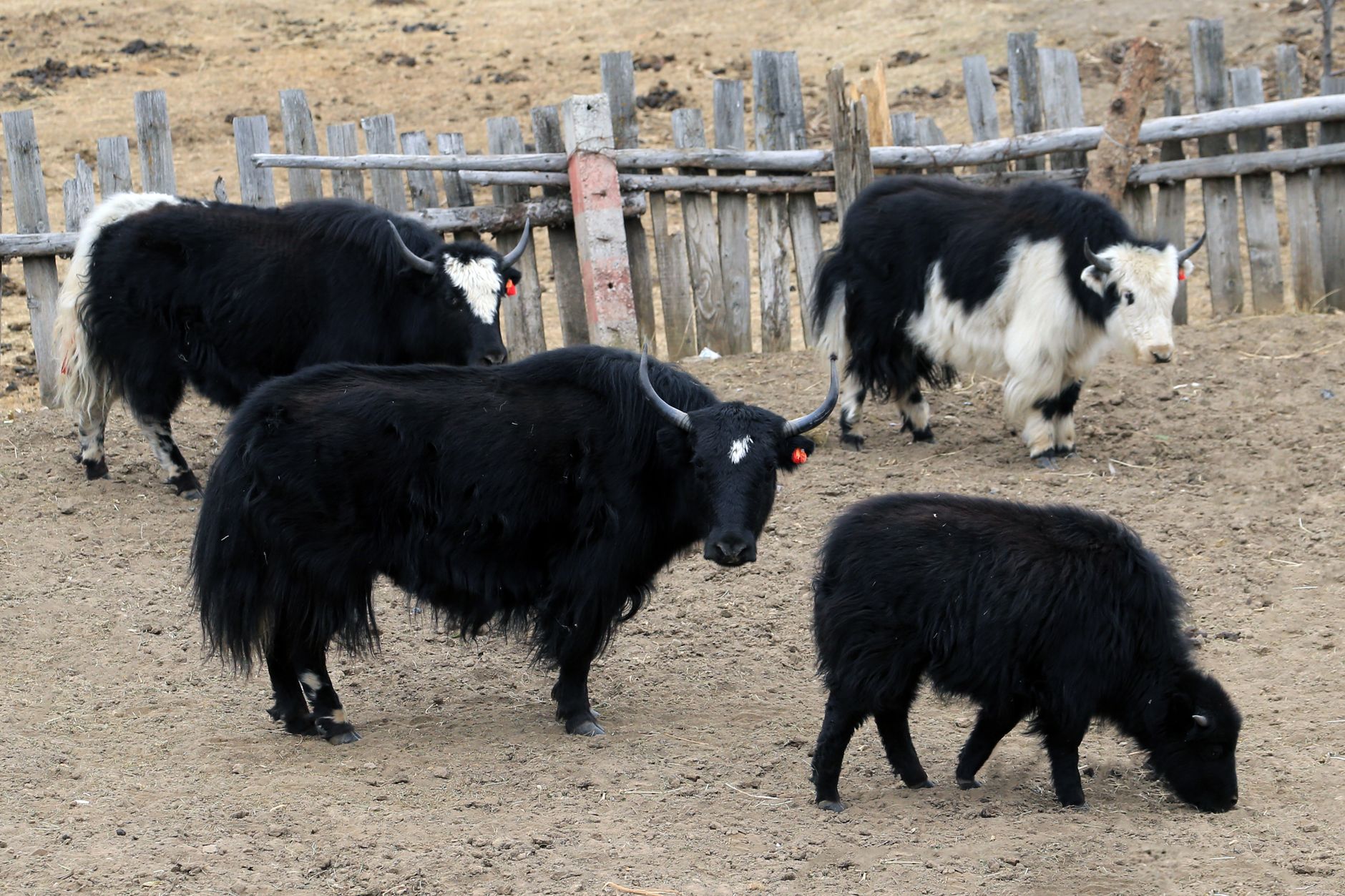
Kecai yaks genome has been extensively studied through whole-genome resequencing, providing valuable insights into their genetic makeup and adaptability.
Understanding Kecai Yaks
The Kecai yaks, native to the high-altitude regions of China, are a unique breed known for their remarkable adaptability and resilience in harsh environments. These animals are vital to the livelihoods of many pastoral communities, providing milk, meat, and wool. Recent advancements in genomic research have opened new avenues for understanding the genetic makeup of Kecai yaks, particularly through whole-genome resequencing.
Whole-genome resequencing of the Kecai yaks has provided invaluable insights into their genetic diversity and evolutionary history. This extensive dataset allows researchers to explore various traits that contribute to their survival in extreme conditions, such as cold tolerance and high-altitude adaptation.
Key findings from the genomic analysis include:
- Genetic Variations: Identification of specific genes linked to adaptability and resilience.
- Population Structure: Insights into the genetic relationships among Kecai yaks and related breeds.
- Conservation Strategies: Information that can aid in the conservation and breeding programs for this important livestock species.
Overall, the research on the Kecai yaks genome not only enhances our understanding of this unique breed but also contributes to broader efforts in livestock genetics and conservation.
Importance of Whole-Genome Resequencing
Whole-genome resequencing plays a pivotal role in advancing our understanding of the Kecai yaks genome. This comprehensive approach allows researchers to analyze the genetic variations within the Kecai yak population, providing critical insights into their adaptation to harsh environments and unique traits.
By examining the complete DNA sequence, scientists can identify specific genes associated with important characteristics such as disease resistance, growth rates, and milk production. The importance of these findings cannot be overstated, as they contribute to the overall improvement of yak breeding programs and management practices.
Furthermore, whole-genome resequencing facilitates:
- Enhanced genetic diversity analysis: Understanding the genetic makeup helps in conserving the unique traits of Kecai yaks.
- Identification of beneficial alleles: This knowledge can be used to select superior breeding stock.
- Insights into evolutionary history: Resequencing can shed light on how Kecai yaks have adapted over time.
- Comparative genomics: It allows for comparisons with other yak breeds and livestock, enhancing overall genetic research.
In summary, whole-genome resequencing is crucial for unlocking the genetic secrets of the Kecai yaks genome, ultimately benefiting agricultural practices and biodiversity conservation.
Genetic Diversity in Yaks
The genetic diversity of Kecai yaks plays a crucial role in their adaptability and resilience to harsh environmental conditions. Recent studies have revealed significant insights into the Kecai yaks genome, showcasing the importance of whole-genome resequencing in understanding this unique breed. The resequencing efforts have identified various alleles associated with traits such as growth rate, disease resistance, and reproductive efficiency.
Through extensive analysis, researchers have categorized the genetic diversity within Kecai yaks into several key areas:
- Adaptation to Environment: Genetic variants that support survival in extreme climates have been highlighted, providing clues on the evolutionary mechanisms at play.
- Health and Disease Resistance: Insights into specific genes linked to immunity can aid in breeding programs aimed at enhancing resilience against common diseases.
- Production Traits: Variability in genes related to milk production and growth rates suggests potential for improving livestock productivity through selective breeding.
Overall, the findings from the whole-genome resequencing of Kecai yaks not only enhance our understanding of their genetic makeup but also lay the groundwork for future research and breeding strategies aimed at improving yak populations in China and beyond.
Implications for Yak Breeding
The sequencing of the Kecai yaks genome has substantial implications for yak breeding practices. By leveraging the insights gained from whole-genome resequencing, breeders can make informed decisions that enhance the genetic quality of the herd.
One major benefit is the ability to identify desirable traits more effectively. These traits may include disease resistance, adaptability to harsh environments, and improved productivity. With a clearer understanding of the genetic markers associated with these characteristics, breeders can select individuals that carry the most favorable alleles.
Moreover, the Kecai yaks genome data can help in reducing inbreeding and enhancing genetic diversity. By analyzing the genetic makeup of the population, breeders can ensure that they maintain a healthy gene pool, which is essential for the long-term sustainability of yak farming.
Additionally, the findings from this genomic research can facilitate cross-breeding programs, allowing breeders to introduce new genetic material that complements the existing traits of Kecai yaks. This strategic approach not only improves herd performance but also boosts resilience against changing environmental conditions.
Overall, the implications of the Kecai yaks genome extend far beyond immediate breeding goals, promising a brighter future for yak farming in challenging environments.
Photo by Jeffry Surianto on Pexels