Logan Coleman
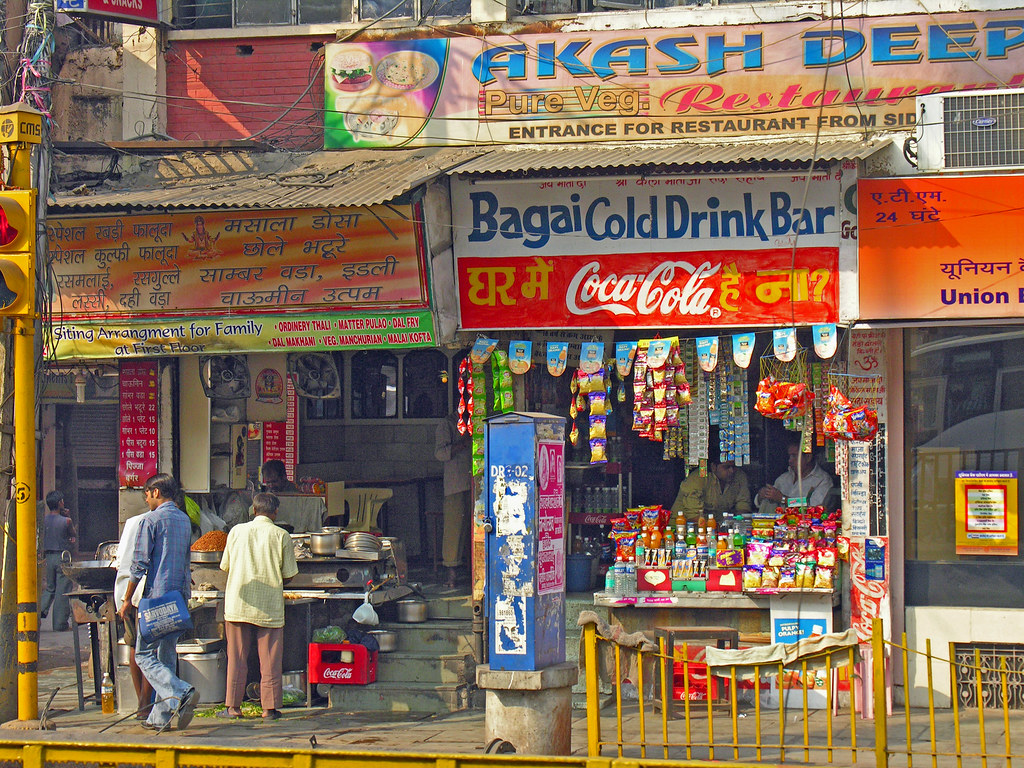
Polio-Free India is a significant achievement, but vigilance remains crucial. Despite the absence of polio cases, continuous awareness and preventive measures are necessary to ensure public health.
The Importance of Vigilance in a Polio-Free India
As India celebrates its status as a Polio-Free India, the importance of vigilance cannot be overlooked. While the nation has made remarkable progress in eradicating poliovirus, continued awareness and preventive measures are essential to ensure that this victory is sustained.
Health experts emphasize that remaining alert can help prevent any resurgence of the disease. Key recommendations include:
- Regular Vaccination: Ensure that children receive their vaccinations on schedule to maintain herd immunity.
- Public Awareness: Educate communities about the signs of polio and the importance of vaccination.
- Health Monitoring: Encourage parents to monitor their children’s health and seek immediate medical assistance if symptoms arise.
In a Polio-Free India, collective responsibility and proactive measures are vital to safeguard the health of future generations.
Understanding Polio and Its Impact
Polio, a highly infectious viral disease, primarily affects children under five and can lead to paralysis or even death. Despite being declared a Polio-Free India in 2014, the potential threat of re-emergence due to low immunization rates in some areas remains a concern. Understanding the impact of polio is crucial for maintaining public health safety.
The virus spreads through contaminated water and food, making sanitation and hygiene vital in preventing outbreaks. Communities are urged to remain vigilant, as even a single case can spark fears of wider transmission.
Key facts about polio include:
- Symptoms may appear mild but can lead to severe complications.
- Vaccination is the most effective method to prevent the disease.
- Continued public awareness is essential for long-term protection.
Staying informed and proactive is necessary to uphold the achievement of a polio-free nation.
How India Achieved a Polio-Free Status
India’s journey to becoming a Polio-Free India is a remarkable story of commitment and resilience. The nation implemented a series of comprehensive vaccination campaigns, reaching millions of children across urban and rural areas. Key strategies included:
- Mass Immunization Drives: Conducting regular vaccination drives, often on a national scale, ensured that no child was left unvaccinated.
- Community Engagement: Local leaders and health workers played a crucial role in raising awareness and dispelling myths about the vaccine.
- Surveillance and Monitoring: Strengthening disease surveillance systems helped identify and respond to any potential outbreaks swiftly.
These efforts, supported by the government and international organizations, culminated in India being declared polio-free in 2014. However, ongoing vigilance remains essential to maintain this status and protect future generations.
Ongoing Challenges in Polio Prevention
Despite the remarkable achievement of becoming a Polio-Free India, ongoing challenges in polio prevention remain a significant concern. Health experts emphasize that vigilance is essential to maintain this status and prevent any potential resurgence of the virus.
Some of the key challenges include:
- Global Travel: Increased international travel can introduce polio strains from countries where the virus is still endemic.
- Vaccine Coverage: Ensuring complete vaccination coverage in remote and underserved areas is crucial to prevent outbreaks.
- Public Awareness: Continuous education about the importance of vaccination and recognition of polio symptoms is vital.
Addressing these challenges requires a coordinated effort from health authorities, communities, and families to ensure that India remains polio-free.
Community Involvement in Health Awareness
Community involvement plays a crucial role in maintaining a Polio-Free India. Local organizations, schools, and health workers are essential in spreading awareness about polio prevention and the importance of vaccination. Engaging community members can lead to a greater understanding of health issues and encourage proactive health measures.
Effective strategies include:
- Organizing workshops and seminars to educate families about the symptoms and risks associated with polio.
- Distributing informational materials that highlight the significance of immunization for children.
- Creating support groups that facilitate discussions among parents and health professionals.
By fostering a collaborative environment, communities can ensure that everyone remains informed and vigilant, ultimately contributing to the sustainability of a polio-free environment.
By archer10 (Dennis) via Openverse