Logan Coleman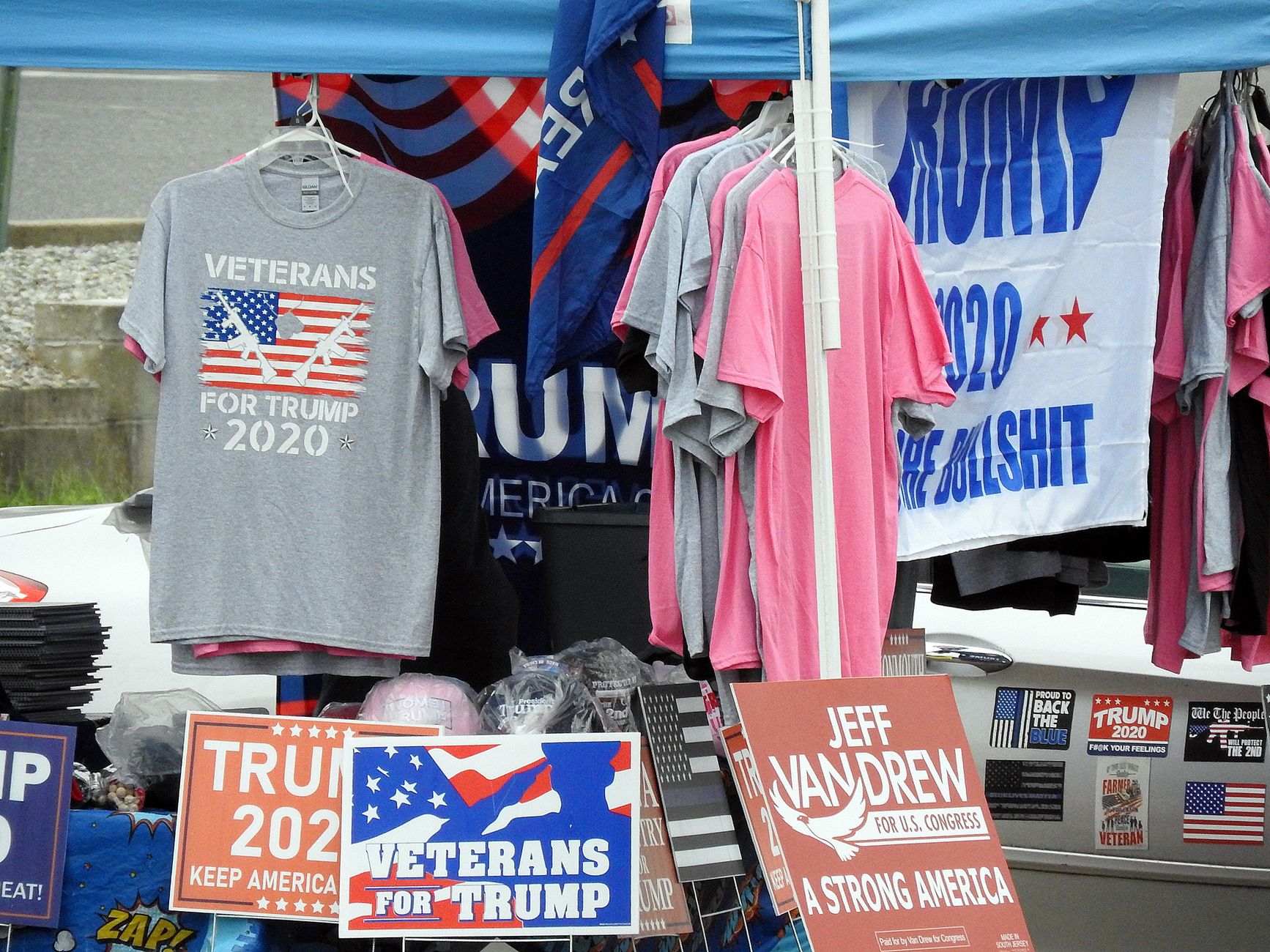
Republicans prove pollsters wrong in the midterms, showcasing unexpected strategies that could alter the anticipated outcomes of the elections. As the political climate shifts, many are left questioning traditional polling methods.
Understanding the Polling Landscape
As the midterm elections approach, the political landscape is heavily influenced by polling data. Traditionally, pollsters have played a crucial role in shaping public perception and campaign strategies. However, recent trends suggest that Republicans may prove pollsters wrong this election cycle.
The accuracy of polling has come under scrutiny, especially after several unexpected outcomes in previous elections. Critics argue that many polling organizations rely on outdated methodologies or fail to account for shifts in voter sentiment. This has led to significant discrepancies between predicted outcomes and actual election results.
In light of these concerns, a closer examination of the current polling landscape reveals several key factors:
- Voter Enthusiasm: Republican candidates have generated considerable enthusiasm among their base, which may not be fully captured by traditional polling methods.
- Demographic Shifts: Changes in voter demographics and priorities have the potential to skew polling results, making it challenging for pollsters to predict outcomes accurately.
- Independent Voters: Many self-identified independents are increasingly leaning toward the Republican side, a trend that surveys often overlook.
In this context, Republicans’ strategies appear to align well with a growing sentiment among voters, suggesting that they may indeed prove pollsters wrong in the upcoming midterms.
Republican Strategies for the Midterms
As the midterm elections approach, Republicans are implementing a variety of strategies aimed at galvanizing their base and proving pollsters wrong. These tactics are crucial for capitalizing on voter sentiments and ensuring a strong turnout. Here are some key strategies employed by the Republican Party:
- Local Engagement: Republicans are focusing on grassroots movements, encouraging local candidates to connect with voters in their communities. This approach aims to build trust and highlight local issues that matter most to constituents.
- Targeted Messaging: By tailoring messages that resonate with specific demographics, Republicans are working to appeal to independent voters and undecided constituencies. This includes emphasizing economic concerns, public safety, and immigration policies.
- Digital Campaigning: A significant investment in digital platforms has allowed Republicans to reach younger voters. Engaging content on social media and targeted ads are being used to drive awareness and mobilize support.
- Voter Outreach Programs: Initiatives aimed at educating voters about the importance of their participation in the electoral process are being rolled out. This includes door-to-door canvassing and phone banking efforts.
By leveraging these strategies, Republicans hope to boost their chances of success and ultimately prove pollsters wrong in the upcoming elections. The focus remains on energizing their base while appealing to a broader audience to secure vital congressional seats.
Key Voter Demographics
As the midterm elections approach, Republicans prove pollsters wrong by mobilizing key voter demographics that have traditionally been overlooked. Understanding these groups is crucial for the party’s strategy moving forward.
- Suburban Voters: Once a stronghold for Democrats, suburban areas are witnessing a shift. Republicans are appealing to these voters by addressing concerns such as public safety and education.
- Hispanic Communities: Republicans have made concerted efforts to reach out to Hispanic voters, emphasizing family values and economic opportunities, which resonate well with this demographic.
- Young Voters: While historically leaning Democratic, young voters are showing signs of discontent with the current administration. Republicans are utilizing social media and grassroots campaigns to engage this group effectively.
- Working-Class Voters: Focusing on the economic struggles of working-class Americans, Republicans are highlighting issues related to job creation and inflation, aiming to sway undecided voters.
By honing in on these demographics, the Republican Party is not only energizing its base but also attracting new supporters who may have previously aligned with other parties. As election day nears, the impact of these targeted strategies will be crucial in determining the outcome of the races.
Impact of Polling Errors
The recent midterm elections have underscored significant discrepancies between polling predictions and actual voter outcomes, leading many to ponder the implications of these polling errors. As Republicans prove pollsters wrong, analysts are revisiting the methodologies used to forecast election results.
Polling inaccuracies have sparked debates about the effectiveness of traditional polling techniques. Many believe that these methods fail to account for the evolving political landscape, characterized by increasing polarization and shifting voter priorities. Some key reasons for these discrepancies include:
- Sampling Bias: Many polls rely on samples that do not accurately reflect the electorate, often underrepresenting certain groups.
- Turnout Predictions: Pollsters often misjudge which demographics are likely to participate, leading to skewed expectations.
- Shifts in Voter Sentiment: Rapid changes in public opinion can occur close to election day, leaving little time for polls to adjust.
The implications of these errors are profound. They not only affect campaign strategies but also influence public perception. As Republicans prove pollsters wrong, there is a growing call for more robust polling techniques that adapt to the dynamic nature of modern elections. This will be crucial for future electoral cycles, as both parties seek to ensure their messaging resonates with an ever-evolving electorate.
Comparing Historical Trends
As the midterm elections approach, a closer examination of historical trends reveals patterns that may challenge the assumptions made by many pollsters. Over the years, political analysts have frequently underestimated the Republican base’s ability to mobilize and turn out voters, particularly in competitive districts. This phenomenon often results in surprises on election night, as Republicans prove pollsters wrong.
In past midterm elections, several key factors have influenced voter turnout and party performance:
- Incumbency Advantage: Historically, incumbents have a significant edge, which tends to benefit Republican candidates in many regions.
- Election Cycles: Midterms often see a shift in voter engagement, with Republicans capitalizing on the enthusiasm of their base during these off-year elections.
- Demographic Shifts: Changes in demographics can lead to unexpected results, as Republicans have been successful in reaching out to diverse communities in various states.
- Local Issues: Localized campaigns focusing on issues relevant to constituents can sway voters, often leading to outcomes that contradict national polling trends.
As the Republican Party gears up for the upcoming midterms, understanding these historical trends will be crucial. By leveraging their strengths and addressing voter concerns, they may continue to defy expectations and reshape the electoral landscape.
The Role of Media in Elections
The role of media in elections has become increasingly significant, particularly in the context of how voters perceive candidates and issues. During the recent midterm elections, it was evident that media coverage shaped public opinion and influenced voter turnout. Republicans proved pollsters wrong, defying expectations set by various media outlets that suggested a less favorable outcome for the party.
Media narratives often focus on polling data, which can sway undecided voters. However, many Republican candidates effectively utilized alternative media channels to communicate their messages directly to their constituents. This approach allowed them to bypass traditional media filters and connect with voters on a personal level.
Moreover, the rise of social media platforms has transformed the electoral landscape. Candidates are now able to share their stories, campaign messages, and policy proposals in real-time, fostering a sense of community and engagement among supporters. This shift has highlighted the importance of grassroots efforts and local outreach, which may have contributed to the Republicans’ unexpected success in the midterms.
In addition, media coverage of key issues resonated with voters, enhancing the Republicans’ narrative. By focusing on topics such as inflation, crime, and immigration, they aligned their platforms with the concerns of the electorate, effectively countering the polling predictions. As a result, the media’s role in shaping perceptions and narratives continues to be a crucial element in electoral outcomes.
Expert Opinions on Polling Accuracy
As the midterm elections approach, a wave of expert opinions on the accuracy of polling data has emerged. Many analysts are questioning the reliability of recent polls that have suggested a less favorable outlook for Republicans. Some experts argue that traditional polling methods fail to capture the full spectrum of voter sentiment, particularly among key demographics that lean Republican.
Dr. Emily Richards, a political scientist, notes that “pollsters often rely on historical voting patterns, which may not reflect the current political climate.” She emphasizes that Republicans have demonstrated a unique ability to mobilize their base in unexpected ways, suggesting that the polls may not accurately gauge their support. This discrepancy can lead to significant underestimations of Republican voter turnout.
Furthermore, John Miller, a veteran strategist, asserts that “the Republican Party has adapted its messaging to resonate with the concerns of everyday Americans.” He believes that grassroots movements and local campaigns can drive voter engagement beyond what polls predict. In light of this, he points out, “Republicans prove pollsters wrong by galvanizing support from previously disengaged voters.”
As experts analyze these trends, it becomes increasingly evident that the midterms may defy conventional expectations, showcasing the dynamic nature of voter behavior and the limitations of polling accuracy.
Future Implications for Political Parties
The surprising outcomes of the recent midterm elections have raised questions about the reliability of polling data and its implications for future political strategies. As Republicans prove pollsters wrong, both major political parties must reconsider their approaches to engaging voters and forecasting electoral outcomes.
One key takeaway is the need for political parties to invest in more accurate data collection methods. Traditional polling techniques may no longer capture the sentiments of an increasingly diverse electorate. As voter preferences shift, parties must adapt their strategies to resonate with a broader audience.
Moreover, the Republican success highlights the importance of grassroots campaigning. Engaging directly with constituents through town halls, community events, and online platforms can foster a stronger connection and yield more reliable insights into voter concerns.
As both parties analyze the implications of these election results, they may also need to reassess their messaging. The ability to craft compelling narratives that align with voter values could prove essential in future campaigns.
In summary, the recent midterm elections serve as a pivotal moment where Republicans have managed to prove pollsters wrong, prompting a crucial reevaluation within both parties. The evolving political landscape demands adaptability, innovative strategies, and a renewed focus on accurately understanding the electorate.
As election day approached, Republicans proved pollsters wrong by mobilizing grassroots support and focusing on key issues that resonated with their base. This strategic approach allowed them to gain traction in areas previously deemed unfavorable, showcasing how Republicans prove pollsters wrong through effective campaigning.
Photo by Allen Beilschmidt sr. on Pexels
References
Related stories
BYU football ranking: Best proven case for No. 1 · MR & MISS NORTH INDIA GLAMOUR: The Best Event of the Year · AI micro-drama Raghupati Raghav is a Smart New Release