Logan Coleman
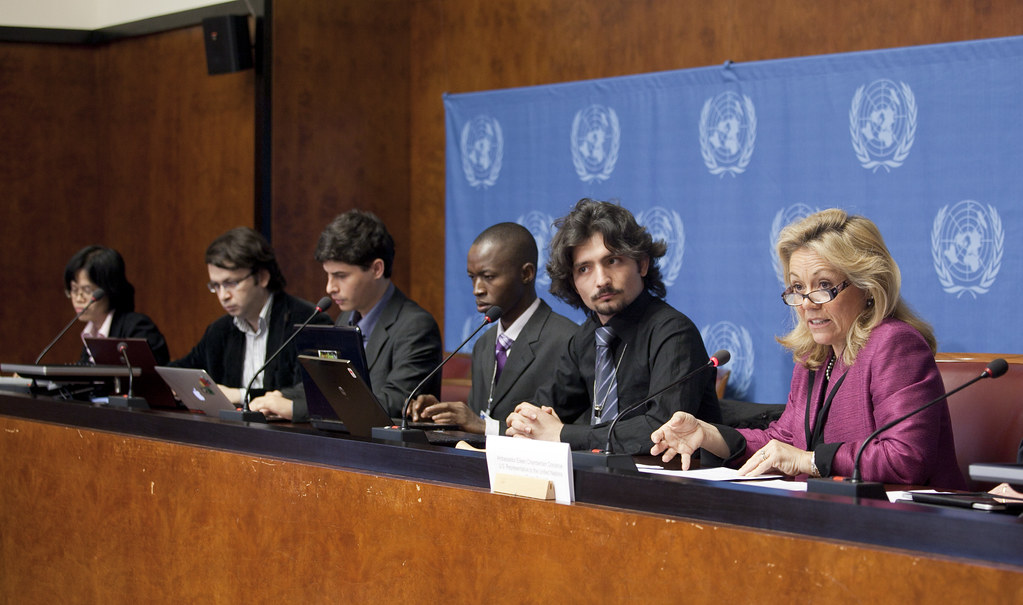
UN Security Council reform has become a hot topic as India rejects second-class permanent seats. This decision raises questions about India’s role in global governance and the future of the UN.
Understanding the UN Security Council
The United Nations Security Council (UNSC) plays a crucial role in maintaining international peace and security. Established in 1945, it consists of 15 members, with five permanent members—China, France, Russia, the United Kingdom, and the United States—holding significant power, including veto rights. This structure has sparked ongoing debates regarding the need for UN Security Council reform.
Supporters of reform argue that the current composition does not reflect the geopolitical realities of the 21st century. They contend that the council should include more diverse members to ensure broader representation. Countries like India, Brazil, and Germany are frequently mentioned as potential candidates for permanent membership. However, India’s recent rejection of the idea of second-class permanent seats highlights its stance on the matter.
Many believe that granting full permanent membership to nations like India is essential for legitimizing the council’s decisions and enhancing its effectiveness. Critics of the current setup assert that without reform, the UNSC may struggle to address contemporary global challenges adequately. The ongoing discussions surrounding UN Security Council reform are critical, as they encompass issues of representation, accountability, and global governance.
As the world evolves, the question remains: is reforming the UNSC the right move for India and other aspiring nations seeking a more equitable global order?
India’s Position on Permanent Seats
India has long been a proponent of comprehensive reform of the UN Security Council, particularly advocating for permanent membership. The country’s leadership argues that the current structure does not accurately reflect the geopolitical realities of the 21st century. India’s Prime Minister has emphasized that reforms are essential for enhancing the legitimacy and effectiveness of the Council.
In recent discussions regarding UN Security Council reform, India firmly rejected the notion of accepting “second-class” permanent seats. This term refers to proposals that would grant nations a permanent seat without the same privileges and powers as existing permanent members. Indian officials have articulated that such arrangements would undermine the country’s status and influence in global governance.
Key points of India’s stance include:
- Equitable Representation: India argues for a more inclusive Council that reflects the current demographic and geopolitical dynamics.
- Global South Empowerment: The country advocates for greater representation of developing nations in decision-making processes.
- Strengthening Multilateralism: India believes that a reformed Security Council would better address collective security challenges.
As the debate continues, India’s position remains clear: any reform must grant full rights and responsibilities to new permanent members, aligning with the principles of equality and respect in international relations.
Implications of UN Reform
The implications of UN Security Council reform are significant and multifaceted, particularly for nations vying for greater influence on the global stage. As discussions progress, several key considerations emerge.
- Power Dynamics: Reforming the Security Council could alter the balance of power among member states. If new permanent seats are created, it may lead to a shift in how decisions are made, impacting global governance.
- Legitimacy and Representation: There is a growing call for the Security Council to reflect the current geopolitical landscape. Countries like India argue that reform is essential to enhance the Council’s legitimacy and represent the interests of a broader range of nations.
- Global Security: Changes in the structure of the Security Council could influence its effectiveness in addressing global security challenges. A more diverse Council may foster innovative approaches to conflict resolution and peacekeeping.
- Regional Tensions: The move for reform might exacerbate existing regional tensions, particularly among nations that feel overlooked in the allocation of new seats. This could lead to diplomatic friction and complicate negotiations.
In summary, while UN Security Council reform presents opportunities for enhanced representation and effectiveness, it also carries risks that must be carefully managed to ensure a balanced approach to global governance.
Global Reactions to India’s Decision
Global reactions to India’s stance on UN Security Council reform have been mixed, reflecting the complexities of international diplomacy. Many nations have expressed support for India’s position, particularly its refusal to accept what it calls “second-class permanent seats.” This stance has resonated with countries that seek a more equitable representation within the Security Council.
Supporters argue that India’s inclusion as a permanent member would enhance the Council’s legitimacy and effectiveness. Among these nations, several from the Global South have voiced their backing, emphasizing the need for a more democratic and representative UN Security Council. Brazil and Germany, who also aspire for permanent seats, have shown solidarity, highlighting a shared vision for reform.
Conversely, some countries remain skeptical about India’s capacity to take on greater responsibilities. Critics point to India’s regional tensions and its historical stance on various issues as factors that complicate its candidacy. China has been particularly vocal in opposing any expansion of permanent seats, citing concerns over regional power dynamics.
As discussions continue, the debate around UN Security Council reform appears far from settled, with India’s decision sparking further dialogue about the future structure of one of the world’s most pivotal institutions.
The Future of the UN Security Council
The future of the UN Security Council remains a topic of heated debate among member nations, especially as discussions surrounding UN Security Council reform gain momentum. As the geopolitical landscape evolves, the need for a more representative and effective Security Council is becoming increasingly urgent.
Many analysts argue that the current structure does not adequately reflect the modern world order. The dominance of the five permanent members has led to calls for a more inclusive approach that would allow for greater participation from emerging powers. In this context, India’s position is pivotal. By advocating for full permanent membership rather than accepting a second-class status, India emphasizes the need for genuine reform.
This reform is not just about expanding the number of permanent seats but also about enhancing the Council’s legitimacy and effectiveness in addressing global challenges. As nations continue to voice their opinions on this subject, the path to reform seems fraught with complexities, not least because of differing priorities among member states.
Furthermore, the reluctance of established powers to cede influence complicates the discussion. The future of the UN Security Council, shaped by these challenges, will significantly impact international relations and global governance in the years to come.
Historical Context of Security Council Reform
The debate surrounding UN Security Council reform has its roots in the post-World War II era when the United Nations was established. The original structure of the Security Council was reflective of the geopolitical landscape of the 1940s, where a few nations held significant power. Over the decades, calls for reform have intensified, driven by changing global dynamics and the emergence of new powers.
During the late 20th century, particularly after the end of the Cold War, there was a renewed push for reform. Countries like India, Brazil, Germany, and Japan began advocating for permanent membership to better mirror contemporary power balances. The argument is that the current composition of the Security Council does not adequately represent the geopolitical realities of the 21st century.
Moreover, the growing influence of regional organizations and non-state actors has highlighted the need for a more inclusive approach to international governance. The lack of reform has led to frustrations among nations that feel sidelined, and this discontent is further exacerbated by the Council’s perceived inefficacies in addressing global challenges.
As discussions continue, the historical context of these reforms becomes increasingly significant. Understanding the past provides insight into the complexities of the current debate and the potential implications for future international relations.
Comparative Analysis with Other Nations
The debate surrounding UN Security Council reform has garnered attention not just in India but also among various nations vying for a more prominent role in global governance. Countries like Japan and Germany have long been considered frontrunners for permanent seats, given their economic influence and contributions to international peacekeeping efforts.
In contrast, Brazil and South Africa advocate for a more representative Security Council that reflects the current geopolitical landscape. These nations argue that the existing structure primarily favors Western powers, creating a sense of imbalance in decision-making processes.
Moreover, the African Union has proposed a unified stance for African nations, demanding at least two permanent seats on the council. This collective action emphasizes the need for inclusivity and representation for developing nations, which have historically been marginalized.
As nations present their cases, it becomes evident that the quest for reform is not solely about gaining a seat at the table; it is also about ensuring equitable representation. India, rejecting second-class permanent seats, stands firm in advocating for reform that would elevate its status while addressing the diverse aspirations of other countries.
Ultimately, the comparative analysis underscores the complexity of UN Security Council reform, as nations navigate their ambitions while considering the broader implications for global stability and cooperation.
What’s Next for India in the UN?
As the discussion around UN Security Council reform intensifies, India finds itself at a crucial crossroads. The country has firmly rejected the notion of accepting a “second-class” permanent seat, advocating instead for a more substantial role in the global governance framework. This stance reflects India’s aspiration to be regarded as a key player in international diplomacy and decision-making.
Moving forward, India must strategize its approach to engage with other nations advocating for similar reforms. The need for a cohesive strategy to bolster support from both developed and developing nations is paramount. By aligning with countries that share its vision for a reformed Security Council, India can amplify its voice and influence in the dialogue.
Moreover, India should actively participate in multilateral forums to discuss the implications of UN Security Council reform. Engaging with international organizations and think tanks can help articulate the benefits of a reformed Council that includes more diverse representation. This will not only bolster India’s case for a permanent seat but also address concerns regarding the current geopolitical climate.
In this evolving scenario, India’s diplomatic maneuvers will play a pivotal role in shaping the narrative around UN Security Council reform, highlighting its potential to enhance global peace and security.
Proponents argue that UN Security Council reform could enhance India’s influence on global decision-making. However, critics question whether UN Security Council reform would truly address the underlying issues of representation and power dynamics within the council.
By US Mission Geneva via Openverse
Sources
India Today · UN Security Council reform
Related reading
iPhone Duo screen cracks: Worst repairability score revealed · Netanyahu’s Political Fate: The Clear Path to Victory · Protein Fibers Alzheimer’s: Proven Link to Genetic Delivery