Logan Coleman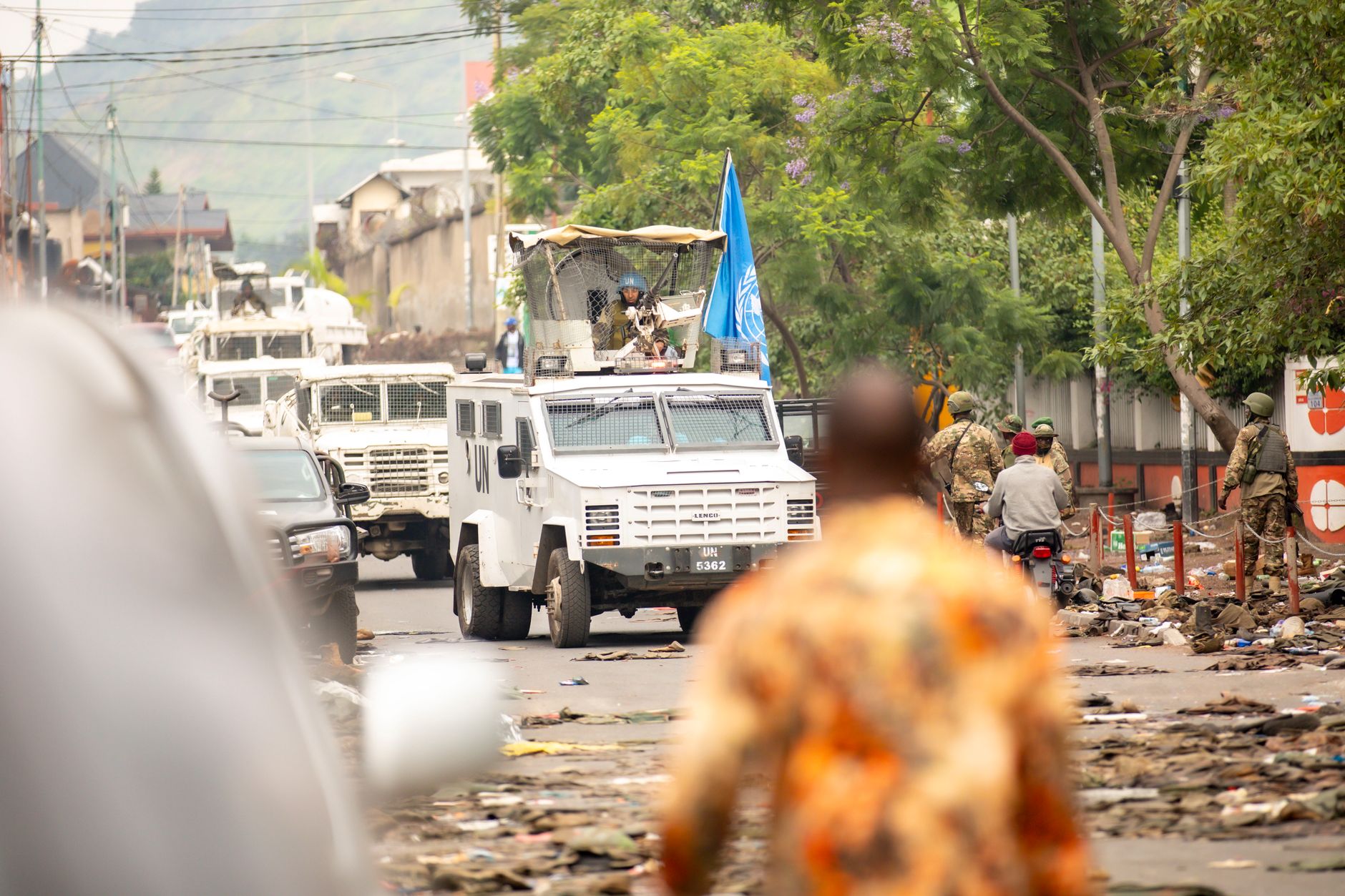
Australia UN Security Council aspirations are gaining momentum as India backs its bid. Prime Minister Albanese’s campaign for 2029-30 is also underway, highlighting significant diplomatic efforts.
Australia’s bid for the UN Security Council
Australia’s bid for the UN Security Council has gained significant attention, particularly following India’s endorsement of the campaign. Prime Minister Anthony Albanese officially launched the initiative aimed at securing a seat for the 2029-30 term. This move is seen as a critical step in enhancing Australia’s influence on the global stage.
In a recent statement, Albanese emphasized the importance of Australia’s role in international peace and security, asserting that the nation is ready to contribute more actively to the United Nations. He highlighted several key areas where Australia aims to make a difference:
- Climate Change: Advocating for stronger global action to combat climate issues.
- Human Rights: Promoting the protection of rights across all nations.
- Conflict Resolution: Engaging in diplomatic efforts to resolve ongoing international disputes.
India’s support, as articulated by Prime Minister Narendra Modi, underscores the strengthening ties between the two countries, particularly in the context of regional security and strategic cooperation. As Australia pursues its UN Security Council bid, the government is keen to showcase its commitment to multilateralism and collaborative global governance.
India’s support for Australia
India has officially declared its support for Australia’s bid for a seat on the UN Security Council, marking a significant diplomatic move in the region. As Prime Minister Anthony Albanese launches his campaign for the 2029-30 term, this backing from India is viewed as a pivotal endorsement.
During a recent meeting, Indian Prime Minister Narendra Modi expressed his belief that Australia’s experience and commitment to multilateralism will contribute positively to the Security Council’s agenda. He emphasized that Australia’s involvement is crucial for ensuring a balanced approach to global security challenges.
This support comes at a time when both nations are keen to strengthen their strategic partnership, particularly in the Indo-Pacific region. The collaboration between Australia and India is seen as essential for promoting stability and addressing emerging threats.
Moreover, India’s endorsement reflects a broader trend of increasing cooperation among like-minded countries. As global geopolitical dynamics shift, Australia’s presence in the UN Security Council is perceived as beneficial not only for regional security but also for promoting democratic values.
With India backing the Australia UN Security Council bid, the potential for enhanced bilateral relations and a united front on international issues appears promising.
Albanese’s 2029-30 campaign plans
As Prime Minister Anthony Albanese embarks on his campaign for the 2029-30 term, the spotlight is increasingly on Australia’s bid for a seat on the UN Security Council. Albanese’s strategy hinges on building robust international alliances, with a particular emphasis on strengthening ties within the Asia-Pacific region.
In recent statements, Albanese has articulated a vision for Australia that includes:
- Enhancing diplomatic relationships: The Prime Minister aims to engage with key nations to foster collaboration on global issues.
- Promoting peace and security: A seat on the UN Security Council would allow Australia to contribute to international peacekeeping efforts, reinforcing its role as a responsible global player.
- Advocating for climate action: Albanese’s campaign will also address climate change as a critical issue, aligning with global priorities.
With India’s support for Australia’s bid providing momentum, Albanese’s leadership is seen as crucial in this endeavor. The upcoming campaign will test the government’s ability to articulate a cohesive foreign policy that resonates both domestically and internationally, as Australia seeks a prominent role in global governance through its potential position on the UN Security Council.
Implications for global diplomacy
The implications of Australia’s bid for a seat on the UN Security Council extend beyond its own national interests, influencing global diplomacy in several key ways. As the world grapples with complex challenges such as climate change, security threats, and geopolitical tensions, Australia’s participation could enhance collaborative efforts in addressing these issues.
Support from nations like India signals a growing recognition of Australia’s potential role as a stabilizing force in the Asia-Pacific region. This backing may encourage other countries to reconsider their stance on Australia’s influence within international affairs. The following points highlight possible outcomes of Australia’s bid:
- Increased diplomatic engagement: A seat on the UN Security Council could enable Australia to engage more directly with global leaders and influence key decisions.
- Enhanced regional security: Australia’s involvement may bolster efforts to address security challenges in the Indo-Pacific, fostering a collaborative environment.
- Strengthened alliances: Australia’s commitment to multilateralism could reinforce partnerships with like-minded nations, driving collective action on global issues.
Ultimately, Australia’s bid for the UN Security Council represents a strategic move that may redefine its role on the world stage, fostering a more interconnected and cooperative international community.
Reactions from other nations
The announcement of Australia’s bid for a seat on the UN Security Council has sparked a variety of reactions from nations around the world. While India has expressed strong support for Australia, other countries remain more cautious in their responses.
- United States: The U.S. has welcomed Australia’s intentions, viewing the move as a strengthening of alliances in the Indo-Pacific region. Officials have indicated that they believe a seat on the Security Council will enhance Australia’s role in global security matters.
- China: In contrast, China has voiced skepticism. Officials emphasized that Australia should prioritize regional peace and stability over ambitions for greater political influence. Analysts suggest that China’s response reflects concerns over Australia’s close ties with the U.S.
- New Zealand: New Zealand has shown a supportive stance, highlighting the importance of Australia’s participation in multilateral discussions. However, they have also urged Australia to address pressing global issues such as climate change.
- European Union: Several EU nations have remained neutral, focusing instead on their own agendas. However, there is an underlying acknowledgment of the potential benefits that a strong Australia could bring to the UN Security Council.
Overall, reactions to Australia’s UN Security Council bid reveal a complex web of geopolitical considerations that will play a crucial role in the coming years.
Future of the UN Security Council
The future of the UN Security Council is a topic of intense debate among member nations, especially as Australia seeks a seat on this influential body. The reformation of the Council has long been discussed, with many advocating for a more representative and equitable structure that reflects the current geopolitical landscape.
Australia’s bid for a UN Security Council seat has raised questions about how it will fit into this evolving framework. Supporters argue that Australia’s inclusion could enhance regional stability and strengthen alliances, particularly in the Asia-Pacific region. However, critics warn that simply adding new members may not address the underlying issues of imbalance and power dynamics within the Council.
In light of Australia’s aspirations, several key points emerge:
- Global Representation: There is a growing call for the Security Council to better represent the diversity of its member states.
- Decision-Making: Changes in the decision-making processes may be necessary to accommodate new members effectively.
- Collaborative Diplomacy: Australia’s role could potentially foster greater collaboration among nations, influencing the future direction of global diplomacy.
As Australia pursues its UN Security Council bid, the question remains: will this move align with the broader goals of reform and representation in international governance?
The decision to pursue an Australia UN Security Council bid reflects the country’s growing ambition on the global stage. However, critics question whether this move aligns with Australia UN Security Council’s goals of promoting peace and stability in the region.
Photo by Safi Erneste on Pexels
Sources
Related reading
Trump Visit New York: The Right Move for His Campaign · Job Loss at 60: The Worst Reality for Older Workers · Athapaththu Leads Sri Lanka to Asian Games Final: A Proven Path