Logan Coleman
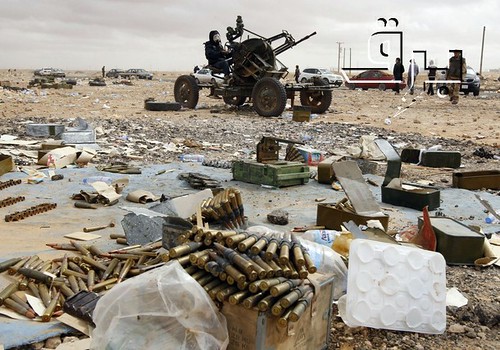
Italy Ukraine conflict is escalating as Italy expresses anger over Ukraine’s recent strikes on Russian ships off the coast of Libya.
Overview of the Italy Ukraine Conflict
The ongoing Italy Ukraine conflict has raised significant concerns regarding international relations and military strategies in the Mediterranean region. The situation escalated after Ukraine’s recent strikes on Russian ships near Libya, which prompted a strong reaction from Italy.
Italy, traditionally supportive of Ukraine’s sovereignty, finds itself in a complex position as it balances its diplomatic ties with Russia and its commitment to NATO.
- Military Operations: The strikes have been perceived as a provocative act that could destabilize the region further.
- Diplomatic Strain: Italian officials have expressed anger over Ukraine’s unilateral actions, fearing they may compromise ongoing negotiations with Moscow.
- Public Sentiment: The Italian public is divided, with some supporting Ukraine’s defense efforts while others advocate for a more cautious approach.
This tension highlights the delicate nature of alliances and the implications of military engagements in the Italy Ukraine conflict.
Background on Russian Ships in Libya
The recent escalation in the Italy Ukraine conflict has drawn attention to the presence of Russian ships in Libya. These vessels, which have been linked to various military operations, have raised concerns among European nations regarding their activities in the Mediterranean.
Italy’s anger stems from Ukraine’s decision to target these ships, leading to heightened tensions in an already complex geopolitical landscape. The Italian government believes that such actions could further destabilize the region and provoke retaliation from Russia.
Key points regarding the situation include:
- Military Presence: Russian ships have been observed conducting operations that threaten regional security.
- Italy’s Stance: Italy seeks to maintain stability in Libya, viewing Ukraine’s strikes as detrimental.
- Geopolitical Implications: The conflict may have broader consequences for European relations with Russia.
As the Italy Ukraine conflict evolves, the ramifications of these military actions will continue to unfold.
Italy’s Reaction to Ukraine’s Actions
Italy’s reaction to Ukraine’s actions has raised eyebrows amid the ongoing Italy Ukraine conflict. The Italian government expressed discontent following Ukraine’s recent strikes on Russian ships stationed in Libya. Officials argue that such attacks could jeopardize Italy’s interests in the region and further escalate tensions.
Key points of concern include:
- Diplomatic Relations: Italy fears that Ukraine’s military actions may complicate its diplomatic efforts with Russia.
- Energy Security: The strikes could threaten Italy’s energy supply lines, making the country vulnerable to disruptions.
- Regional Stability: Italian leaders worry that escalating hostilities could destabilize North Africa, impacting migration and security policies.
Moreover, Italy’s reaction highlights the delicate balance nations must maintain when navigating the complexities of international conflicts, particularly when allied countries take aggressive actions against shared adversaries.
International Implications of the Conflict
The ongoing Italy Ukraine conflict has raised significant international implications, especially regarding NATO’s unity and the West’s response to Russian aggression. Countries in the region are closely monitoring how Italy’s stance may influence their own foreign policies.
As tensions escalate, several nations are concerned about the potential for a broader confrontation. Some of the key implications include:
- Shifts in military alliances: Italy’s reaction may prompt other countries to reevaluate their support for Ukraine.
- Economic repercussions: Increased sanctions against Russia could further strain European economies.
- Diplomatic relations: Italy’s frustration may impact its relations with both Ukraine and its NATO allies.
Ultimately, the Italy Ukraine conflict could reshape the geopolitical landscape, forcing countries to navigate the complex interplay of national interests and collective security.
Responses from Ukraine and Russia
The ongoing Italy Ukraine conflict has prompted varied responses from both Ukraine and Russia following recent events. Ukraine has defended its military actions, stating that targeting Russian ships in Libya is a legitimate act of self-defense. Ukrainian officials argue that such strikes are essential to undermine Russian military capabilities and to protect Ukrainian sovereignty.
On the other hand, Russia has condemned Ukraine’s actions, labeling them as reckless and provocative. Russian authorities have threatened repercussions and vowed to bolster their military presence in the region. Additionally, they have accused Ukraine of escalating the conflict, further complicating an already tense situation.
The responses from both nations highlight the complexities of the Italy Ukraine conflict, reflecting broader geopolitical tensions. As each side stands firm in its position, the potential for escalation raises concerns among international observers.
Future of Italy Ukraine Relations
The future of Italy Ukraine relations appears strained following recent events. Italy’s discontent regarding Ukraine’s military actions against Russian ships in Libya has prompted discussions on long-term diplomatic ties.
Analysts suggest that Italy may reconsider its support for Ukraine amid fears of escalating tensions in the Mediterranean. The conflict raises significant questions about Italy’s role in NATO and its commitments to European security.
Key factors influencing this evolving relationship include:
- Geopolitical Stability: Italy must navigate the delicate balance between supporting Ukraine and maintaining regional stability.
- Economic Interests: The implications of the conflict on Italy’s trade and energy supplies are paramount.
- Public Sentiment: Growing dissatisfaction among the Italian populace regarding military involvement could influence political decisions.
As the Italy Ukraine conflict develops, the nation faces tough choices that will shape its foreign policy for years to come.
Analysis of Diplomatic Strategies
The recent escalation in the Italy Ukraine conflict has prompted various diplomatic strategies from both sides. Italy’s government, while supporting Ukraine’s sovereignty, has expressed concern over the consequences of military actions against Russian assets. This reaction highlights a delicate balancing act in international relations.
Key diplomatic strategies include:
- Direct Negotiations: Italy advocates for dialogue between Ukraine and Russia to mitigate tensions.
- Multilateral Engagement: Italy is rallying support from EU allies to present a unified front on the conflict.
- Public Communication: Italian officials are emphasizing the need for transparency and caution in military operations.
- Humanitarian Support: Italy continues to provide aid to Ukraine, demonstrating solidarity while managing its strategic interests.
Ultimately, Italy’s approach reflects its complex position in the Italy Ukraine conflict, balancing national security with a commitment to international cooperation.
By شبكة برق | B.R.Q via Openverse